Saudi Arabia Sets Aviation Record with 140 Million Passengers in 2025
Saudi Arabia’s aviation sector hit a record 140 million passengers in 2025 as global airlines expanded capacity and capitalised on surging travel demand.
 Jishan Khan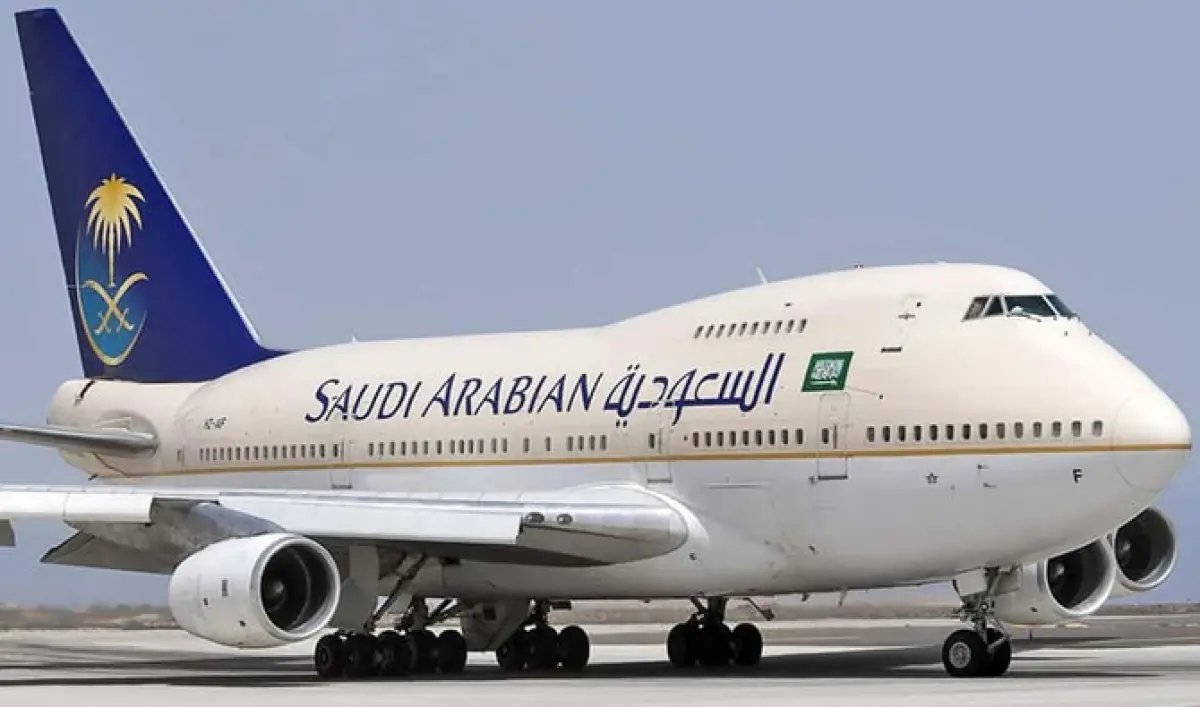

Saudi Arabia’s aviation sector reached a historic milestone in 2025, handling an unprecedented 140 million passengers and cementing the Kingdom’s position as one of the fastest‑growing air travel markets globally. The record performance reflects a combination of aggressive airline expansion, major airport infrastructure investments, and a sharp rise in inbound and outbound travel linked to tourism, business and transit traffic.
The surge in passenger numbers underscores the rapid transformation of Saudi Arabia’s aviation ecosystem under its long‑term economic diversification strategy. Expanded international connectivity, liberalised aviation policies and sustained investment in airport capacity have enabled Saudi airports to accommodate higher volumes while improving operational efficiency. Riyadh, Jeddah and Dammam emerged as key growth engines, supported by terminal upgrades, new routes and increased flight frequencies.
Global and regional airlines have been among the primary beneficiaries of this growth. Emirates leveraged Saudi Arabia’s expanding market by strengthening links between the Kingdom and major intercontinental hubs, using its widebody fleet to capture demand across Europe, Asia, Africa and the Americas. Strong load factors and increased premium travel contributed to improved yields on Saudi‑linked routes.
Riyadh Air, Saudi Arabia’s newest international airline, played a central role in shaping the market’s expansion. By accelerating route launches and positioning the capital as a global transfer hub, the carrier attracted both point‑to‑point and connecting passengers. Its rapid network build‑up aligned closely with the Kingdom’s ambition to turn Riyadh into a major aviation gateway bridging East and West.
Saudia, the national carrier, continued to anchor domestic and international connectivity. The airline focused on strengthening feeder traffic across the Kingdom while expanding long‑haul operations, ensuring seamless links between regional cities and global destinations. This strategy supported higher passenger volumes while reinforcing Saudi Arabia’s hub‑and‑spoke model.
Other international carriers also capitalised on Saudi Arabia’s traffic growth. Qatar Airways benefited from strong connecting flows between Saudi cities and its Doha hub, while Lufthansa expanded its European connectivity, targeting premium business and leisure demand. These airlines tapped into rising cross‑border travel driven by tourism initiatives, corporate activity and expatriate movement.
Tourism policy has been a major catalyst behind the record numbers. Simplified visa processes, large‑scale destination development projects and year‑round event calendars significantly boosted inbound travel. At the same time, outbound travel rebounded strongly as Saudi residents resumed international travel at scale, further lifting passenger volumes.
Airport infrastructure has kept pace with demand. Ongoing investments in terminals, airside capacity and digital systems enabled Saudi airports to manage peak traffic more efficiently, reducing congestion and improving passenger experience. These upgrades have been critical in supporting sustained growth without compromising safety or service quality.
Aviation analysts view the 140‑million‑passenger milestone as a turning point for the Kingdom’s aviation ambitions. The scale of growth highlights Saudi Arabia’s emergence as a central player in global air transport, rather than a peripheral regional market. With additional capacity, fleet expansion and new airlines entering the market, industry expectations point to continued growth in 2026 and beyond.
As Saudi Arabia deepens its role in global aviation networks, airlines operating in the Kingdom are likely to further expand capacity and partnerships. The record‑breaking performance of 2025 not only reflects strong demand but also signals the long‑term structural shift underway in Middle Eastern aviation, with Saudi Arabia firmly at its centre.