Sirte Port Hotel Revamp Under Vision 2030
Libya advances Sirte Port Hotel development under Vision 2030 to boost sustainable tourism infrastructure and revive coastal hospitality investment
 Pratyaksha Singh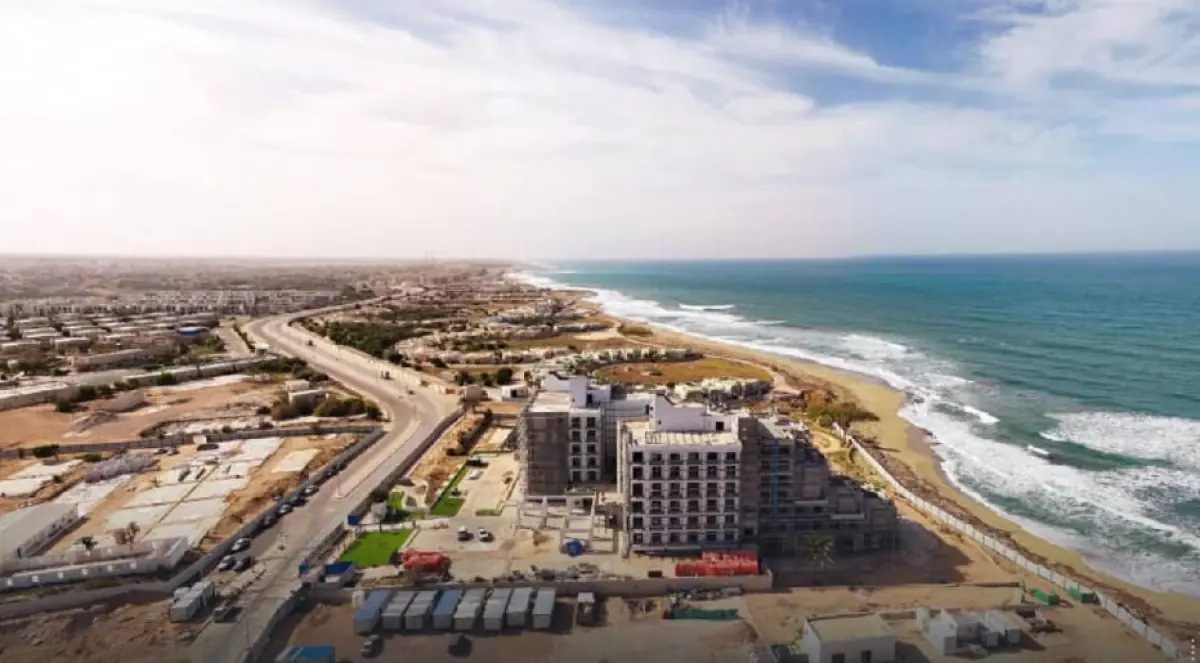

Sirte is witnessing renewed momentum in its tourism infrastructure as comprehensive redevelopment work continues at the Sirte Port Tourist Hotel under the supervision of the National Development Authority, positioning the coastal city for a stronger role in Libya’s long-term economic and tourism strategy.
The ongoing upgrade forms part of Libya Vision 2030, a national framework aimed at revitalising critical sectors through infrastructure modernisation, sustainable investment and service quality enhancement. Officials associated with the project say the hotel’s redevelopment is intended to restore a landmark asset while aligning it with contemporary hospitality standards and environmental efficiency benchmarks.
Work currently underway includes extensive infrastructure upgrades, refurbishment of guest rooms and common areas, and modernisation of external façades and interior furnishings. The design approach seeks to balance functionality with understated luxury while preserving the architectural identity of the property and its strategic location overlooking the Gulf coastline.
Tourism planners view the Sirte Port Hotel as a cornerstone asset in the city’s broader regeneration ambitions. The redevelopment is expected to enhance visitor confidence, attract private sector participation and create employment opportunities across hospitality, maintenance and service supply chains. By improving accommodation quality, authorities aim to make Sirte a more viable destination for domestic and regional travellers.
Officials indicate that sustainability considerations have been integrated into the redevelopment process, with emphasis on efficient energy use, improved water management systems and durable materials that reduce long-term environmental impact. The initiative reflects a wider shift within Libya’s urban development agenda towards resilient infrastructure that supports economic recovery without compromising ecological balance.
Beyond tourism, the project is positioned as part of a wider effort to stimulate investment activity along Libya’s central coast. By upgrading hospitality infrastructure, policymakers hope to support business travel, conferences and civic events, strengthening Sirte’s role as a multifunctional urban centre rather than a seasonal destination.
Urban development analysts note that restoring operational hotels is critical for rebuilding investor confidence in post-conflict economies. High-quality accommodation is often a prerequisite for attracting international partnerships, development agencies and private capital into emerging markets.
The Sirte Port Hotel project also underscores the government’s intent to distribute tourism development beyond traditional hubs, promoting more equitable regional growth. By focusing on coastal cities with historical and logistical significance, Libya aims to diversify its tourism narrative while reducing pressure on a limited number of destinations.
As redevelopment progresses, the Sirte Port Hotel is being positioned not merely as a hospitality upgrade but as a symbol of gradual urban renewal. Its reopening is expected to mark a meaningful step in aligning national tourism ambitions with sustainable city building principles under Vision 2030.