Southwest Completes 737‑700 Cabin Mods Ahead of Assigned Seating
Southwest Airlines has finished Boeing 737‑700 cabin modifications to support assigned seating and extra‑legroom options ahead of its system overhaul on 27 January.
 Jishan Khan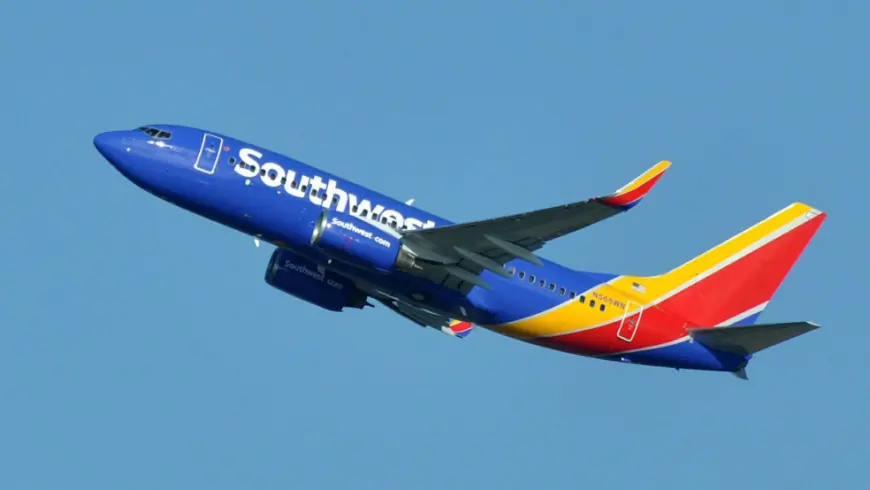

Southwest Airlines has completed cabin modifications on its Boeing 737‑700 fleet in advance of launching its long‑anticipated assigned seating and extra‑legroom seating options, marking a significant shift in the carrier’s longstanding onboard experience and operational model.
The modifications, undertaken across the 737‑700 fleet, involved the removal of one row of seats from each aircraft to create pockets of additional personal space, enabling Southwest to offer a differentiated seat product alongside its traditional coach configuration. This work aligns with a broader transition that culminates on 27 January 2026, when the airline will officially abandon its 58‑year‑old open seating policy in favour of assigned seats and tiered fare bundles.
Southwest’s fleet modernisation is a strategic pivot for the Dallas‑based ultra‑low‑cost carrier, which has historically distinguished itself from competitors by allowing passengers to select seats on a first‑come, first‑served basis. Under the new model, customers will be able to purchase or select specific seats, including extra‑legroom options positioned near exits and at the front of the cabin, mirroring product segmentation seen at other major US airlines.
The cabin work on the 737‑700s follows earlier modifications to other variants in Southwest’s all‑Boeing 737 fleet, including 737‑800 and MAX 8 aircraft, where extra‑legroom seating has been installed and marketed as part of an enhanced passenger experience. The airline’s shift is part of a larger commercial strategy to unlock ancillary revenue through differentiated seat offerings and premium options that resonate with consumers increasingly willing to pay for extra comfort.
Operationally, removing a row of seats on the 737‑700s reduces maximum seat count, but the trade‑off is greater flexibility in offering seat categories without increasing flight frequency. For Southwest, sustaining efficient utilisation of its predominantly 737‑700 fleet — especially on shorter domestic sectors — remains critical as it reconfigures legacy operational practices to align with modern revenue management imperatives.
The adoption of assigned seating also impacts boarding procedures, which will transition from the traditional A/B/C group process to a numbered boarding pass sequence tied to purchased seat locations. This change aims to streamline boarding flow, reduce congestion, and enhance predictability, particularly as extra‑legroom customers will board in early groups.
For crew and ground operations, the retrofits require meticulous planning to ensure aircraft are ready ahead of the policy rollout. The logistical challenge of reconfiguring hundreds of aircraft underscores the scale of Southwest’s transformation, reflecting a deliberate investment in product and process that extends beyond cosmetic cabin changes.
From a passenger perspective, extra‑legroom seats and more predictable seating assignments are expected to improve appeal among families, business travellers and customers seeking comfort on longer point‑to‑point sectors. The new model could also influence competitive dynamics in domestic markets where Southwest competes with legacy carriers and other low‑cost operators that already offer assigned seating and ancillary products.
As Southwest deploys the 737‑700 cabin modifications and transitions into its new seating era, the airline continues to balance its low‑fare heritage with evolving consumer preferences and revenue diversification strategies, signalling a pivotal moment in its operational evolution.