US Air Force B‑1 Bomber Fleet Shrinks as Older Heavy Bombers Near Retirement
The US Air Force operates fewer than 50 B‑1B bombers today, with the long‑serving fleet shrinking as newer strategic strike platforms emerge.
 Jishan Khan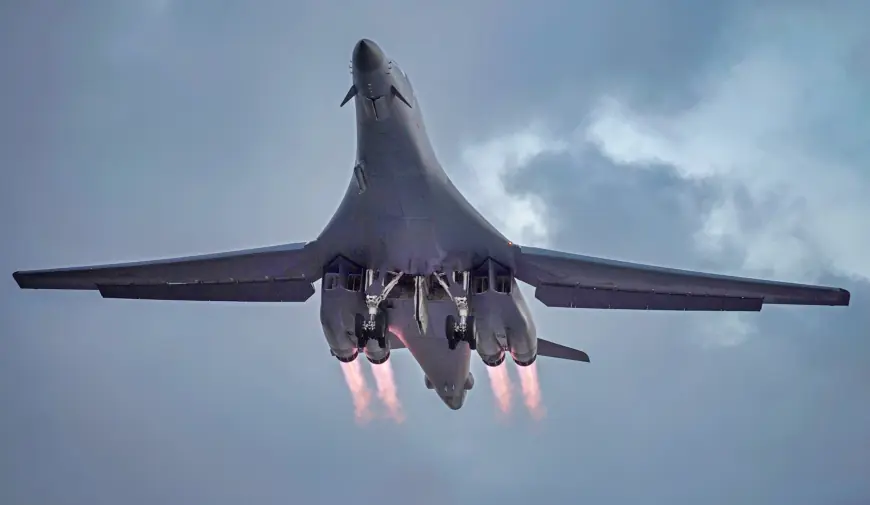

The United States Air Force now operates a noticeably smaller fleet of B‑1B Lancer strategic bombers, with active aircraft numbers reduced as the long‑serving bomber nears the end of its operational life amid broader force modernisation.
As of recent force data, the USAF’s inventory of B‑1B bombers stands at about 46 aircraft in active service. These figures reflect the drawdown from a larger Cold War‑era fleet, which once numbered more than 60 airframes, as aircrew and maintenance requirements, structural fatigue and evolving mission priorities have influenced fleet availability. :contentReference[oaicite:0]{index=0}
The B‑1B Lancer entered service in the 1980s as a supersonic, long‑range heavy bomber capable of delivering conventional ordnance across global theatres. It has served in operations over the Middle East and beyond, valued for its payload capacity and speed. Over decades, attrition, retirements and storage have reduced the total inventory, leaving fewer than 50 aircraft actively assigned to wings at Dyess and Ellsworth Air Force Bases. :contentReference[oaicite:1]{index=1}
The shrinking B‑1 fleet ties into a broader USAF strategic shift toward next‑generation platforms. The forthcoming B‑21 Raider stealth bomber, developed by Northrop Grumman, is designed to gradually replace legacy bombers, offering advanced low‑observable capabilities and modern strike systems. Initial B‑21 flight tests have already taken place, with plans for a production fleet that could exceed 100 aircraft to support future deterrence missions. :contentReference[oaicite:2]{index=2}
Despite its age, the B‑1B remains an important part of the nuclear triad’s conventional strike element and supports a range of global missions. However, maintenance intensity, obsolescence challenges and forthcoming retirements are contributing factors to the fleet’s reduction. These dynamics also reflect broader budgetary and operational decisions as the USAF balances legacy capability sustainment with investment in new systems.
For defence planners, the declining B‑1 inventory underscores transition pressures within strategic bomber force structures. As aircraft retire or enter extended maintenance cycles, sustaining mission readiness hinges on careful resource allocation, crew training and integration of next‑generation assets.
The intersection of operational demand and changing strategic requirements also shapes deployment patterns. Air Force leadership continues to base remaining B‑1 units at key continental and overseas locations while factoring in future readiness as the service evolves toward a mixed fleet of modernised and new‑build bombers.
Looking ahead, the evolving bomber force will likely integrate the reduced B‑1 fleet with B‑21 units and updated B‑52H Stratofortress aircraft to form a resilient long‑range strike capability amid shifting global security environments. These changes highlight how ageing platforms are being phased while laying groundwork for a future force posture centred on advanced aerospace technology.