Why Mumbai Remains India’s Ultimate Dining‑Out Capital
Mumbai’s vibrant restaurant scene, diverse cuisines, and strong dining culture continue to position the city as India’s leading dining‑out capital and a major hub for hospitality innovation.
 Prajakta Sanjay Warwadkar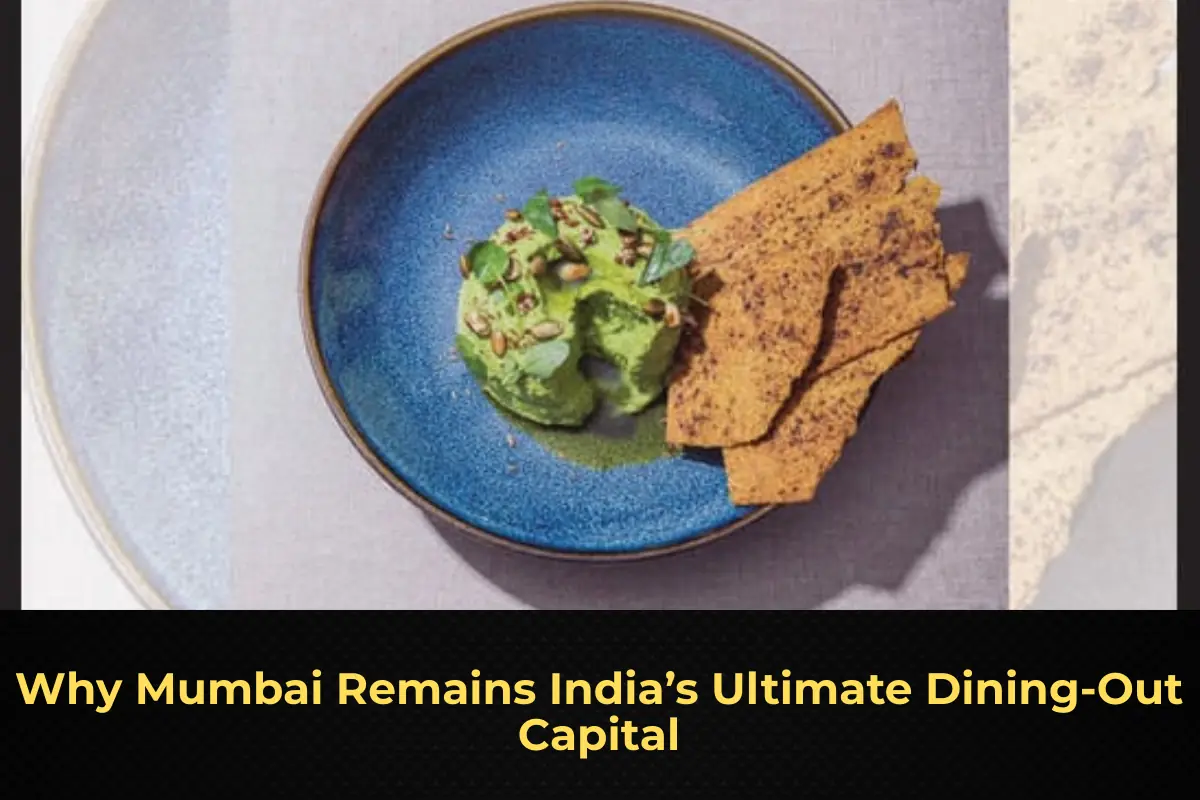

Why Mumbai Remains India’s Ultimate Dining‑Out Capital
Mumbai has long been celebrated as the city where India’s restaurant culture truly thrives. From bustling street food stalls and neighborhood cafés to luxurious fine‑dining establishments and experimental culinary spaces, the city offers an unmatched diversity of dining experiences. Over decades, this dynamic ecosystem has helped Mumbai earn a reputation as the nation’s dining‑out capital.
The city’s unique blend of cultural diversity, economic activity, and fast‑paced lifestyle has created an environment where dining outside the home is not merely an occasional indulgence but a deeply embedded part of everyday life. Restaurants in Mumbai are places where deals are negotiated, friendships are strengthened, and families gather to celebrate milestones. The result is a culinary landscape that constantly evolves while maintaining strong connections to tradition.
The Social Culture of Dining Out
One of the most significant reasons Mumbai stands out in India’s food landscape is its strong culture of eating out. Unlike many cities where restaurant visits are reserved for special occasions, Mumbaikars often treat dining out as a routine activity. The city’s hectic work schedules, long commuting hours, and compact living spaces have made restaurants convenient meeting points.
For many residents, restaurants serve as informal living rooms where social interactions unfold. Friends catch up over coffee, colleagues discuss projects during lunch meetings, and families gather for relaxed dinners. This constant demand ensures that restaurants remain busy throughout the day and late into the night.
Such habits have created a resilient dining economy where eateries across price points can flourish. From affordable quick‑service counters to premium dining establishments, every segment finds an audience in Mumbai.
A Melting Pot of Culinary Influences
Mumbai’s cosmopolitan nature has played a crucial role in shaping its food culture. Over the decades, the city has welcomed migrants from across India and beyond, each bringing their culinary traditions. As communities settled in different neighborhoods, their cuisines became part of the city’s expanding gastronomic identity.
Today, diners in Mumbai can explore an extraordinary range of flavors. Restaurants serve regional Indian cuisines from every corner of the country, including coastal seafood specialties, North Indian delicacies, South Indian comfort food, and unique regional dishes. Alongside these, international cuisines such as Italian, Japanese, Middle Eastern, Thai, and Mexican are widely available.
This diversity encourages both chefs and diners to embrace experimentation. Restaurants frequently combine global techniques with local ingredients, creating innovative menus that reflect Mumbai’s multicultural spirit.
Street Food as the City’s Culinary Backbone
While the city’s high‑end restaurants often attract attention, Mumbai’s street food scene remains one of the most influential components of its culinary identity. Street vendors offer quick, flavorful snacks that are deeply rooted in local traditions.
These stalls can be found near railway stations, office districts, markets, and residential neighborhoods. Every day, thousands of residents rely on these vendors for affordable and satisfying meals. Popular street snacks have become symbols of Mumbai’s food culture and are enjoyed by people across all social backgrounds.
The street food ecosystem also reflects the city’s entrepreneurial spirit. Many vendors have built loyal customer bases over decades, passing down their recipes and techniques through generations.
Historic Restaurants and Culinary Heritage
Another factor contributing to Mumbai’s reputation as India’s dining‑out capital is the presence of iconic restaurants that have stood the test of time. These establishments are more than just places to eat; they are cultural institutions that preserve the city’s culinary heritage.
Some historic cafés and eateries have served customers for generations, maintaining traditional recipes and distinctive atmospheres. Their continued popularity demonstrates how strongly food is tied to memory and identity in Mumbai.
Visitors often seek out these legendary establishments to experience a slice of the city’s history. For locals, returning to these restaurants is often an act of nostalgia, recalling childhood visits and family traditions.
The Rise of Contemporary Dining Concepts
While tradition remains important, Mumbai is also a city that embraces innovation. In recent years, a new wave of restaurateurs and chefs has introduced contemporary dining concepts that push creative boundaries.
These establishments focus on elements such as immersive dining experiences, modern interior design, and curated tasting menus. Many chefs experiment with fusion cuisine, blending Indian flavors with global culinary techniques to create unique dishes.
The presence of an adventurous dining audience encourages this experimentation. Mumbaikars are generally open to trying new restaurants, making the city an attractive testing ground for innovative hospitality ventures.
The Influence of Economic Activity
Mumbai’s status as India’s financial capital also contributes significantly to its vibrant restaurant industry. The city hosts major corporate headquarters, financial institutions, media organizations, and entertainment companies. This diverse professional population generates constant demand for dining options.
Business lunches, networking dinners, and corporate celebrations frequently take place in restaurants. As a result, establishments that provide quality service and appealing atmospheres often become popular meeting venues.
The city’s economic strength also attracts international visitors and expatriates, further expanding the range of cuisines and dining experiences available.
The Impact of Nightlife and Late‑Night Dining
Mumbai’s energetic nightlife is another factor that strengthens its dining culture. Unlike many cities where restaurants close early, numerous eateries in Mumbai operate late into the night. This makes it possible for residents to find meals even after midnight.
Late‑night cafés, food trucks, and casual eateries are particularly popular among young professionals, creative communities, and entertainment industry workers whose schedules often extend beyond conventional hours.
This extended dining timeline contributes to the city’s reputation as a place where culinary exploration can happen at any time.
The Role of Restaurants in Urban Lifestyle
In Mumbai, restaurants are not isolated businesses but integral parts of the city’s social infrastructure. They function as spaces where people relax, celebrate, and build relationships.
The design and atmosphere of restaurants often reflect this role. Many establishments prioritize comfortable seating, welcoming interiors, and carefully curated music to create environments that encourage conversation and connection.
Restaurants also play a role in shaping neighborhood identities. Certain areas of the city have become known for their clusters of cafés, bars, or specialty cuisine restaurants, attracting diners from across the metropolitan region.
Technology Transforming the Dining Experience
The evolution of technology has also influenced how people experience restaurants in Mumbai. Digital reservation platforms, online food delivery services, and social media marketing have changed the way diners discover and interact with eateries.
Many restaurants maintain active online profiles, sharing photographs of their dishes and announcing new menu items or seasonal promotions. These digital tools help businesses reach wider audiences and build stronger brand recognition.
At the same time, customers benefit from convenience and transparency. Online reviews and ratings allow diners to explore options before deciding where to eat.
Challenges in a Competitive Market
Despite its opportunities, Mumbai’s restaurant industry is also intensely competitive. High rental costs, operational expenses, and the constant need to attract customers make it challenging for new establishments to survive.
To succeed in such an environment, restaurateurs must focus on consistency, quality, and innovation. Restaurants that fail to maintain strong standards may struggle to retain customers in a city where diners have numerous alternatives.
However, this competition also drives excellence. Establishments continuously refine their menus, service standards, and customer experiences to remain relevant.
The Future of Mumbai’s Dining Scene
Looking ahead, Mumbai’s dining culture is likely to continue evolving in response to changing consumer preferences. Trends such as sustainable sourcing, plant‑based cuisine, and regional Indian culinary revival are already gaining attention.
Restaurants are also exploring new formats such as chef‑driven pop‑ups, collaborative dining events, and experiential tasting menus. These initiatives create excitement and keep the city’s food culture dynamic.
Technology will further influence restaurant operations, with innovations in ordering systems, contactless payments, and data‑driven customer insights becoming increasingly common.
A Culinary Identity That Endures
Mumbai’s position as India’s dining‑out capital is not the result of a single factor but rather a combination of social habits, economic vitality, and cultural diversity. The city’s residents embrace food as a central part of their lifestyle, ensuring that restaurants remain vibrant community spaces.
Whether someone is enjoying a quick street snack, sharing a meal with friends at a neighborhood café, or celebrating a special occasion in an elegant restaurant, dining in Mumbai reflects the city’s spirit of energy and openness.
As new restaurants emerge and culinary trends continue to evolve, Mumbai’s reputation as the country’s most exciting dining destination is likely to endure. The city’s ability to blend tradition with innovation ensures that its restaurant culture will continue to inspire food lovers for generations to come.