EU Halts Schengen Multi-Entry Visas for Russian Nationals Amid Rising Security Concerns
EU stops issuing Schengen multi-entry visas to Russian nationals, citing security risks, enhanced screenings, and geopolitical tensions with Moscow.
 Munni Khatun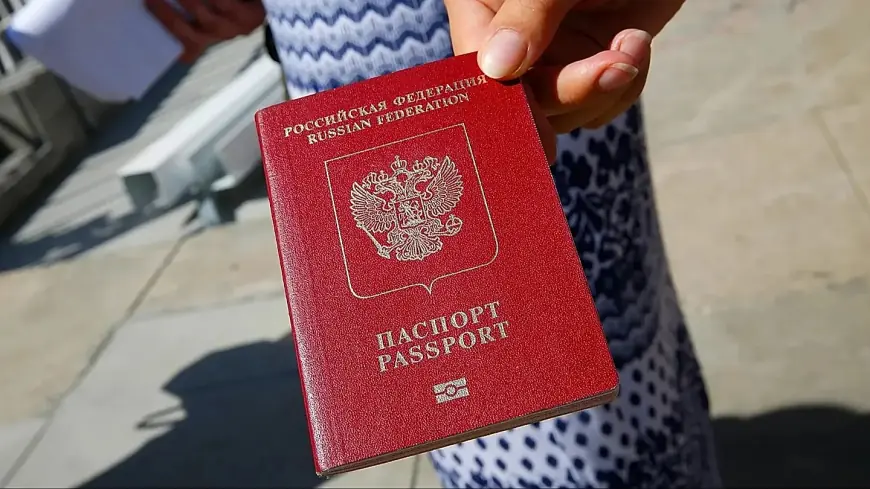

The European Union has announced a significant tightening of its visa framework with the discontinuation of Schengen multi-entry visas for Russian nationals, marking one of the most notable shifts in the bloc’s security and immigration policies since the escalation of geopolitical tensions with the Russian Federation. The directive, issued by the Directorate-General for Home Affairs on November 7, 2025, underscores heightened concerns over espionage, cyber threats, disinformation campaigns, and security vulnerabilities linked to Russia’s ongoing military activities in Ukraine.
According to the Commission, the restriction applies to all new visa applications, while existing valid multi-entry visas held by Russian citizens will remain active. The move signals the EU’s intent to reinforce internal security and reduce potential risks associated with high-frequency travel by Russian nationals.
Enhanced Visa Screening and Limited Exceptions
Under the updated rules, all visa applications from Russian nationals will undergo enhanced security screening. These advanced checks are designed to identify applicants who may pose a threat to public safety or EU security interests. The EU emphasized that exceptions will be limited and granted on a case-by-case basis.
EU foreign policy chief Kaja Kallas noted that Russia’s continued use of migration as a political tool, along with cyberattacks and covert operations, requires “a stricter, more vigilant approach to mobility between EU territory and Russian nationals.” She added that the new measures reflect a broader geopolitical alignment aimed at minimizing vulnerabilities within the Schengen Area.
Impact on Russian Tourists and Frequent Travelers
The suspension of multi-entry visas is expected to significantly affect Russian tourists and business travelers who frequently visit EU destinations such as Rome, Paris, Berlin, and Vienna. Multi-entry visas have long been the preferred option for repeated visits, business meetings, and leisure travel.
With the new restrictions, Russian nationals will need to apply for a fresh visa each time they travel, making the process more time-consuming and costly. Tourism-dependent economies within the EU may feel the impact, particularly in regions where Russian visitors have historically contributed substantial revenue to luxury retail, hospitality, and cultural tourism sectors.
Humanitarian and Essential Worker Exemptions
Despite the sweeping restrictions, the EU has outlined several key exemptions. These include:
-
Immediate family members of EU residents (spouses and children)
-
Transport and logistics workers, including truck drivers, seafarers, and train crews
-
Humanitarian exceptions, applicable to independent journalists, human rights defenders, and individuals fleeing political persecution
These exemptions aim to maintain humanitarian commitments and ensure the continuity of essential cross-border operations.
Diplomatic Tensions and EU-Russia Relations
The visa restriction adds another layer to the deteriorating diplomatic relationship between Russia and the EU. Several member states, including Germany and the Nordic countries, have repeatedly urged a coordinated EU-wide response to perceived Russian threats.
The EU is also evaluating further measures, including a Czech-backed proposal to restrict the movement of Russian diplomats, limiting them to the countries where they are officially accredited. This initiative mirrors broader European concerns about espionage networks operating under diplomatic cover.
Broader Implications for European Tourism and Security
Tourism boards across Europe are expected to shift strategies in response to the anticipated decline in Russian travelers, historically known for higher spending patterns. Cities like Vienna, Nice, Berlin, and Milan may see reduced tourist inflows, prompting a pivot toward attracting visitors from Asia, North America, and the Middle East.
Meanwhile, European security agencies have emphasized that strengthened visa controls are essential to mitigating risks associated with espionage, organized crime, and disinformation operations attributed to Russian entities.
Looking Ahead: A Strategic Realignment in EU Mobility Policy
The EU’s policy shift represents a broader long-term security strategy, balancing the economic significance of tourism with the need to safeguard territorial integrity. As the Russia-Ukraine conflict continues, further restrictions may be introduced, reshaping mobility between Russia and the European Union for years to come.
A New Phase in European Travel Dynamics
The suspension of multi-entry visas for Russian nationals marks a decisive moment in EU policy. It reflects the convergence of geopolitical tensions, national security priorities, and a shifting global travel landscape. As Europe strengthens its external borders and reassesses the risks associated with Russian mobility, the impact will be felt not only in diplomatic circles but also across tourism, business, and cultural relations.
This development signals a new era in European travel policy—one where security considerations increasingly shape the freedoms once taken for granted by millions of international travelers.