Breakfast Methi Paratha Recipe 5 Easy & Delicious Methi ke Parathe
Make this Breakfast Methi Paratha in 5 easy steps soft, spiced fenugreek flatbread cooked golden on a tawa, ready in just 30 minutes.
 RUKAIYA KADIWAL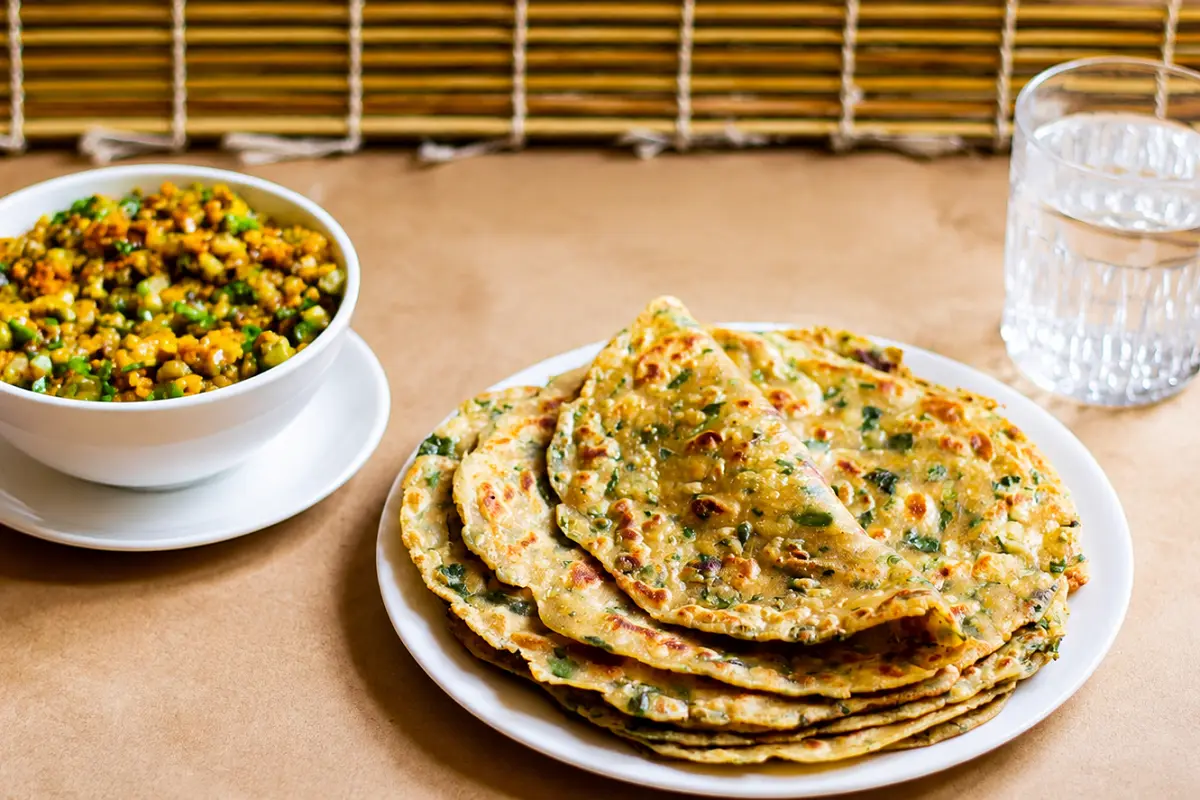
Methi Paratha is a wholesome Indian flatbread made with whole wheat flour and fresh fenugreek leaves. The chopped methi leaves are mixed into the dough along with simple spices to make soft and tasty parathas. These Methi ke Parathe are healthy and make a good alternative to plain Paratha. If the methi leaves are cleaned and prepped, you can cook this recipe in about 30 minutes and serve with curd, pickle or any curry.
About This Methi Paratha Recipe
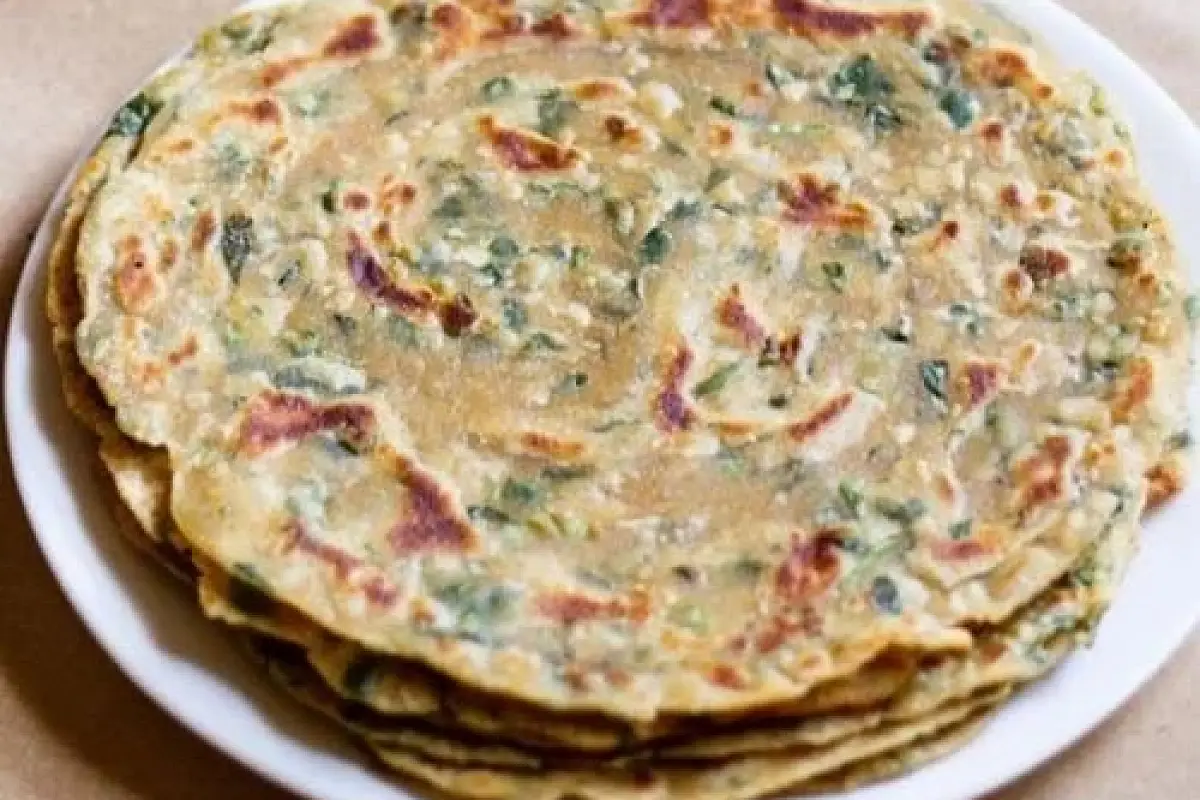
Methi paratha are whole some flatbreads from unleavened whole wheat dough featuring fenugreek leaves, herbs and spices. These healthy flatbreads are also known as “methi ke parathe” or “methi roti”.
Crispy and soft, these parathas have a lovely fragrant aroma and a light bitterness of the fenugreek leaves. They are a quick and healthy breakfast or side that can be eaten with any Indian curry or sabzi.
Fenugreek a.k.a methi leaves are easily found in India and I often end up making lots of dishes using it. When living in Bangalore, we would grow fenugreek leaves in our balcony.
I would often add the fenugreek micro greens to salads and also make a variety of methi recipes from the fully grown harvested leaves. If you have a balcony, terrace garden or a herb garden, then try growing fenugreek.
Another mouth-watering addition to this paratha is garlic. The fenugreek and garlic complement each other so well and both awesome flavors come through when eating the paratha.
In North India, methi ke parathe are made for breakfast or packed in a tiffin box. We like to eat these at any time of the day. So I make them for breakfast, lunch, or at times for dinner.
I usually accompany these methi roti with a dry veggie curry, sweetened curd, or pickle. Some people like to have methi ka paratha with plain curd, Mango Pickle, Lemon Pickle, or green chili pickle. It is completely up to you!
2 Ways To Reduce Bitterness in Methi
Methi leaves have a fragrant flavor with a faint bitter taste. The bitterness is not overwhelming to your palate. It is a fragrant light bitterness that you may like if you have not grown up eating fenugreek.
Sometimes the fenugreek leaves can be highly bitter. Follow either of the two methods listed below to reduce the bitterness in the leaves.
- Mix some salt with the rinsed fenugreek leaves. Set aside for 15 to 20 minutes. Rinse the leaves a few times and drain the water.
- Blanch the methi leaves in boiling salted water for about a minute. Drain, rinse with fresh water, and use.
Methi paratha is best served hot. However, it can be served warm or at room temperature. You can also stack them in a roti basket or casserole box/container.
Easily enjoy for breakfast, lunch, or at dinner. My favorite things to serve with methi ka paratha are vegetable curries, sugar-sweetened yogurt, or pickles.
Some people like to have these methi roti with plain Curd (yogurt), mango pickle, lemon pickle, Red Chilli Pickle, Garlic Pickle or Green Chili Pickle. It all depends on your preference!
They can also be wrapped in foil and packed in lunch boxes or for short journeys. Methi ke parathe make a good tiffin box snack and stay soft when packed in a foil.
Expert Tips
- Substituting methi leaves: If you do not get methi leaves, then substitute spinach (palak) or amaranth (chaulai – green or red leaves). The taste will be different and the parathas won't have the unique methi flavor, but nevertheless, they will be healthy and nutritious.
- Swapping with dried fenugreek leaves: Kasuri methi or dried fenugreek leaves are a great option for fresh ones. I often use kasuri methi when I do not have fresh fenugreek leaves to make these methi roti. Include 2 to 3 tablespoons of kasuri methi to make your methi paratha recipe.
- Roasting tips: Ensure that your skillet or tawa is hot. Roast parathas on medium-high to high heat. Roast paratha on low heat would make them undercooked or chewy and hard. A very high heat would cause the parathas to burn. Regulate the heat as needed when roasting.
- Heat: If you like spicy food then feel free to add more chilies to this methi paratha recipe. Conversely, if you are not too fond of chilies then you can add less.
- Add-ins: Bring more flavors in your methi paratha recipe by including finely chopped onions, minced ginger or ginger-garlic paste. Opt to add ground spices like turmeric powder, garam masala powder, cumin powder, coriander powder, red chilli powder to make a spiced flavorsome methi roti.
- Substituting methi leaves: If you do not get methi leaves, then substitute spinach (palak) or amaranth (chaulai- green or red). The taste will be different and the parathas won't have the unique methi flavor, but nevertheless, they will be healthy and nutritious.
- Swapping with dried fenugreek leaves: Kasuri methi or dried fenugreek leaves are a great option for fresh ones. I often use kasuri methi when I do not have fresh fenugreek leaves to make these methi roti. Swap with 2 to 3 tablespoons of kasuri methi.
- Roasting tips: Ensure that your skillet or tawa is hot. Roast parathas on medium-high to high heat. Roasting paratha on low heat would make them undercooked or chewy and hard. A very high heat would cause the parathas to burn. Regulate the heat as needed when roasting.
- Heat: If you like spicy food then feel free to add more chilies to this recipe. Conversely, if you are not too fond of chilies then you can add less.
- Add-ins: Bring more flavors in your methi paratha by including finely chopped onions, minced ginger or ginger-garlic paste. Opt to add ground spices like turmeric powder, garam masala powder, cumin powder, coriander powder, red chilli powder to make spiced flavorsome methi ke parathe.
FAQs
Can I use dried fenugreek leaves (kasuri methi) to make methi paratha?
Yes, you can definitely use dried fenugreek in this recipe. You will need to add 2 to 3 tablespoons of dried fenugreek leaves to the whole wheat flour and follow the remaining steps of the recipes as normal. The dried fenugreek leaves will give the methi ke parathe a slightly different flavor and taste compared to the fresh fenugreek leaves.
What is the difference between methi paratha and methi thepla?
Methi paratha is made with fenugreek, herbs, and spices while methi thepla includes gram flour (besan), curd (yogurt), and plenty of spices. The besan gives the thepla a nutty taste and the curd adds a delicious rich flavored sour taste.
How do you store fenugreek leaves?
Remove the fenugreek leaves from the stem as soon as you buy the fenugreek. Then thoroughly wash the leaves and dry them. Once the leaves are dry put them in a container or zip lock bag and refrigerate.
How do you store methi leaves?
I keep my plucked methi leaves in a steel container and they usually stay fresh for 4 to 5 days. It's very convenient for when I want to sprinkle methi leaves on pakoras, pulao, and dal to add some flavor. For more advice about cleaning methi read this Aloo Methi recipe post!
Agar aapko Methi Paratha pasand aaya, to aap ek aur crispy South Indian breakfast recipe try kar sakte hain: Pessarattu Recipe – Crispy Moong Dal Dosa.
Aur zyada Indian breakfast recipes ke liye original source visit karein: Vegrecipesofindia Indian Breakfast Recipes.
Ingredients
- 2 cups whole wheat flour – 240 grams
- 1 cup methi leaves (fenugreek leaves), tightly packed, not chopped
- ½ to 1 teaspoon finely green chilies or 1 to 2 green chillies
- 1.5 teaspoons finely chopped garlic or 7 to 8 small to medium-sized
- 2 teaspoons oil or Ghee – use any neutral oil or peanut oil
- ⅓ cup water or add as required
- ½ teaspoon salt or as required ghee (clarified butter) or oil, as required for roasting
Nutritional Information
- Calories: 171kcal
- Carbohydrates: 21g
- Protein: 5g
- Fat: 8g
- Saturated Fat: 4g
- Cholesterol: 17mg
- Sodium: 132mg
- Potassium: 99mg
- Fiber: 3g
- Sugar: Y
- Vitamin A: 2IU
- Vitamin B1 (Thiamine): 1mg
- Vitamin B2 (Riboflavin): 1mg
- Vitamin B3 (Niacin): 1mg
- Vitamin B6: 1mg
- Vitamin C: 1mg
- Vitamin E: 1mg
- Vitamin K: 1µg
- Calcium: 114mg
- Vitamin B9 (Folate): 12µg
- Iron: 1mg
- Magnesium: 37mg
- Phosphorus: 96mg
- Zinc: 1mg
Directions
How to make Methi Paratha( Step by step )
Step 1: Prepping Methi Leaves
- Place the fenugreek leaves in a bowl filled with water and to which ½ teaspoon baking soda and 1 tablespoon vinegar has been added.
- Soak for about 2 to 3 minutes, later draining all the water.
- Soak the leaves in clean water for a couple of minutes. Swish and move the leaves gently with your fingers. This removes any soil or mud particles that are on the stems or leaves.
- Drain the water again. You can repeat this process of soaking and draining once or twice or choose to thoroughly rinse the leaves under running water for a few times. Finally, drain the water well.
- Place the leaves on a kitchen towel and spread them evenly on it for a few minutes or you can proceed to chopping them.
Step 2: Kneading Dough
- In a bowl mix the whole wheat flour and salt.
- Add the chopped methi leaves, green chilies, garlic, oil and mix again.
- Pour water little by little and mix the dough first. Later knead to a smooth and soft dough adding water as needed.
- Note that the water proportion will vary with the water content in the fenugreek leaves and the type, variety of wheat flour.
- Tip 1: If the dough looks sticky, add a few tablespoons of whole wheat flour and knead again.
- Tip 2: If the dough looks dry or dense, add a couple of tablespoons of water and continue to knead.
Step 3: Rolling dough
- Pinch medium sized balls from the dough. Roll them between your palms to make a neat round ball.
- Flatten the dough ball and dust it lightly with some flour and the rolling board as well.
- With a rolling pin, roll the dough into medium sized roti or circle having 7 to 8 inches diameter.
- For a flaky, crispy layered paratha, spread ghee all over and fold twice into a triangle shape. Then roll them to a large triangle shaped dough sprinkling flour lightly.
- The layering method with ghee adds more fat in your parathas, but if you want a simple lighter version, then roll them plain with brushing any ghee on the dough as done in this recipe.
Step 4: Roasting
- Heat a skillet or tawa on medium-high to high heat. Place the rolled methi paratha on a hot tawa or griddle.
- Tip: To check the hotness of the skillet, sprinkle a pinch of flour on it. If the flour browns in a few seconds, the skillet is hot enough for roasting paratha.
- Wipe this roasted flour on the skillet with a kitchen napkin before placing the paratha on it.
- When one side is a bit cooked or about ¼ cooked, flip the paratha. You will see some air pockets beginning to form on paratha.
- Spread some oil or ghee (clarified butter) on the side that is facing you.
- Flip again and you should see some brown or golden spots on the paratha. Spread ghee on this side having the golden spots.
- Flip again a couple of times, until the paratha is evenly roasted and has some golden spots or blisters. Press the paratha edges with a spatula so that they get cooked.
- Roll the remaining dough balls and make the methi parathas this way. While making the second paratha don't forget to wipe the skillet with a kitchen napkin if there is any excess whole wheat flour on it.
Step 5: Serving Suggestions
- Methi paratha is best served hot. However, it can be served warm or at room temperature. You can also stack them in a roti basket or casserole box/container.
- Easily enjoy for breakfast, lunch, or at dinner. My favorite things to serve with methi ke parathe are vegetable curries, sweetened curd, or pickle.
- Some people like to have parathas with plain curd (yogurt), mango pickle, lemon pickle, or green chili pickle. It all depends on your preference!
- They can also be wrapped in foil and packed in lunch boxes or for short journeys. Methi roti make a good tiffin box snack and stay soft when packed in a foil.
Rate this Recipe
User Reviews
No reviews yet. Be the first to share your thoughts!