Make Creamy Afghani Soya Chaap That Tastes Like Street Food
Afghani soya chaap recipe with a rich malai marinade, smoky char, and bold spices. Ready in under an hour at home. Get the full recipe now.
 Munni Khatun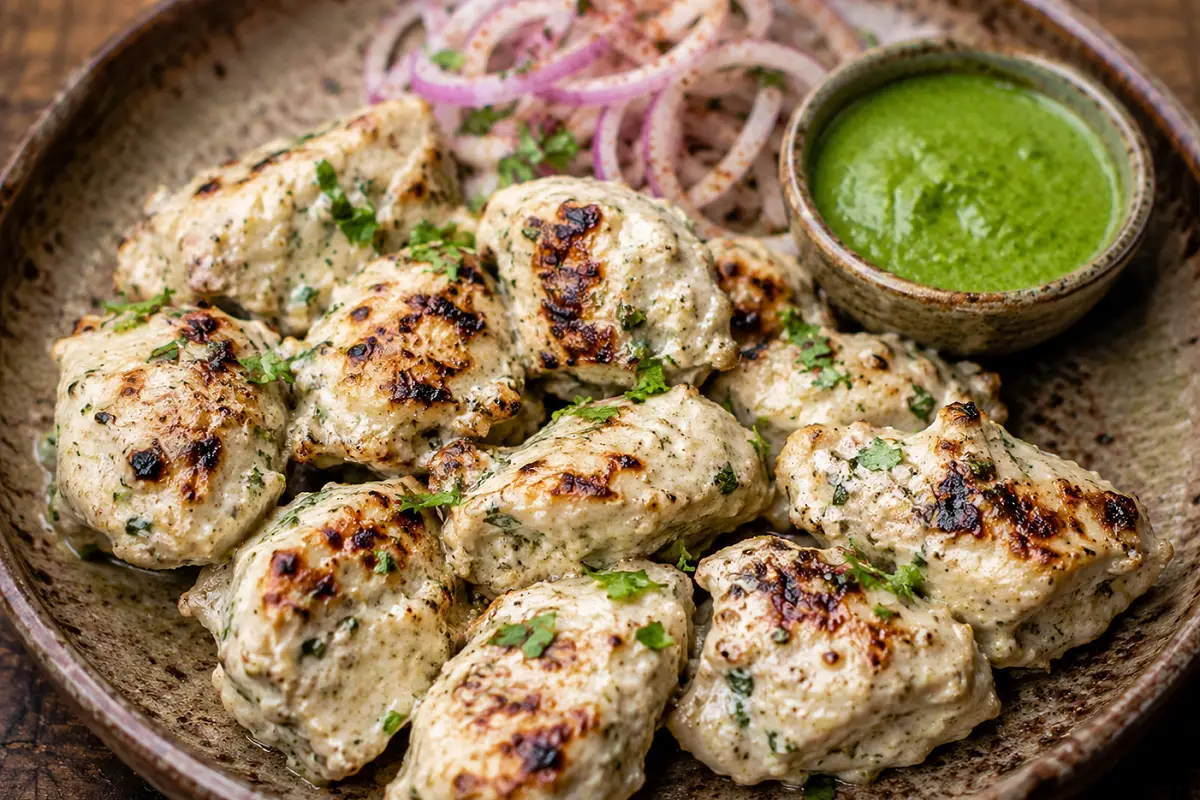
If you've ever stood at a Delhi street stall watching those pale soya sticks transform into something glossy, lightly charred, and impossibly creamy — you already know what Afghani soya chaap is all about. That thick white marinade clinging to each piece, the faint smell of roasted spices, the way it pulls apart to reveal a soft, juicy centre — it's the kind of food that stays with you. The good news is you don't need a tandoor or a dhaba to make it. Your stovetop, a good pan, or even an air fryer does the job beautifully.
This recipe is my go-to version — the one I make when friends come over and I want something impressive on the table without spending half the day in the kitchen. The marinade comes together in minutes, the chaap soaks it up beautifully, and by the time you're ready to cook, most of the hard work is already done.
Whether you're a lifelong vegetarian or someone who just wants a break from meat, this dish is genuinely satisfying. It's rich, aromatic, protein-packed, and just lightly spiced enough to let that creamy, cashew-laced marinade shine.
What Makes This Afghani Soya Chaap Recipe Special
- Authentic malai marinade. The combination of hung curd, fresh cream, cashew paste, and a measured blend of whole spices is what gives Afghani chaap its signature white, creamy coating — never watery, never bland.
- No tandoor needed. You can cook this in a pan, on a tawa, in an air fryer, or under a grill. Each method gives you slightly different results, but all of them work.
- High protein, fully vegetarian. Soya chaap is made from soy flour and wheat gluten, which means each serving packs a solid amount of plant protein — making this a genuinely filling starter or light main.
- Make-ahead friendly. The chaap can marinate overnight in the fridge, which actually improves the flavour. On the day you serve it, cooking takes under 25 minutes.
- Crowd-pleaser at every table. This is one of those recipes that gets requests from non-vegetarians too — the texture is meaty, the flavour is bold, and the presentation is street-food stunning.
Key Ingredients and Why They Matter
Soya chaap sticks are the base — you can use fresh, canned, or frozen. Fresh gives the best texture, but frozen works well as long as you thaw and pat them dry. Boiling or blanching them briefly before marinating softens the texture and helps the marinade penetrate deeper.
Hung curd (also called strained yogurt) is non-negotiable here. Regular curd has too much water and will make your marinade slide right off during cooking. Hang your curd in a muslin cloth for at least an hour, or use thick Greek yogurt as a reliable substitute.
Cashew paste is what gives the marinade that rich, slightly nutty creaminess. Soak a handful of raw cashews in warm water for 20 minutes and blend them smooth — this step takes 5 minutes and makes a real difference to the final flavour. Fresh cream adds another layer of richness and helps the coating stay on during cooking. Learn more about how strained yogurt works in cooking.
The spice blend is intentionally mild and aromatic rather than hot — white pepper for subtle heat, cardamom and nutmeg for warmth, and kasuri methi (dried fenugreek leaves) for that signature dhaba depth. See the full measurements in the ingredients list below.
[INTERNAL LINK: Malai Paneer Tikka Recipe]
How to Make It
The process has two main stages: marinating and cooking. You blanch the soya chaap briefly, then coat each piece generously in the white malai marinade and refrigerate it for at least 2 hours — overnight if you can manage it. When you're ready to eat, cook the chaap in batches on a hot tawa or in an air fryer until the outside gets lightly golden and just charred at the edges. Then finish it with a quick toss in butter, lemon juice, chaat masala, and sliced onions.
That final butter toss is a step many recipes skip, but it's the one that takes your chaap from good to genuinely restaurant-level. Don't skip it.
Tips for Best Results
- Always use hung curd, not regular dahi. Watery marinade won't coat the chaap properly and will cause splattering when it hits the hot pan.
- Blanch before marinating. Drop the chaap in boiling water for 3 to 4 minutes before coating it. This softens the texture and opens up the surface so the marinade soaks in rather than just sitting on top.
- Don't rush the marination. Two hours is the minimum. Eight hours or overnight gives you noticeably more flavour all the way through — not just on the surface.
- Cook on medium-high, not high. Too much heat will char the outside before the inside warms through. Medium-high gives you that golden, slightly blistered crust without burning the cream.
- Baste with butter during the final minute. Whether you're using a pan or air fryer, brushing the chaap with butter in the last minute of cooking adds gloss and richness that takes it to the next level.
Serving Suggestions
Afghani soya chaap is best served hot, straight from the pan. Plate it with a generous handful of thinly sliced onion rings tossed in lemon juice and a pinch of chaat masala — the sharpness cuts through the creamy coating beautifully.
Serve alongside green mint chutney and a wedge of lemon on the side. For a more filling meal, wrap the cooked chaap in a roomali roti or laccha paratha with some onion, green chutney, and a drizzle of tamarind sauce for a street-style chaap roll. [INTERNAL LINK: Homemade Mint Green Chutney]
Storage and Reheating
Marinated uncooked chaap keeps well in the fridge for up to 24 hours. Store it in an airtight container and cook it fresh when needed — this is actually ideal for dinner parties because the prep is done the day before.
Cooked Afghani chaap can be stored in the fridge for up to 2 days. To reheat, place it in a hot pan with a tiny drizzle of oil or butter for 3 to 4 minutes, turning once, until warmed through and the crust crisps back up. Avoid the microwave — it makes the chaap rubbery and softens the crust completely. Freezing cooked chaap is not recommended as the marinade coating tends to separate and turn grainy on thawing.
Variations and Substitutions
Dairy-free version: Replace hung curd with thick coconut yogurt and swap fresh cream for coconut cream. Use a neutral oil in place of butter for basting. The flavour profile shifts slightly tropical but still works well with the spice blend.
Spicy Afghani chaap: Add 1 teaspoon of green chilli paste and ½ teaspoon of red chilli powder to the marinade. This version is closer to what you'd find at Delhi dhabas where the Afghani base gets a fiery twist for spice lovers.
Paneer substitute: If you can't find soya chaap, use firm paneer cut into thick batons or large cubes. The marination time drops to 1 hour and the cook time reduces slightly, but the result is equally rich and satisfying.
Air fryer method: Preheat your air fryer to 200°C (390°F) for 3 minutes. Cook the marinated chaap for 6 to 7 minutes, flip, brush with butter, and cook for another 5 to 6 minutes until golden and slightly charred at the edges. This method gives you the closest result to a tandoor without any special equipment.
Preparation Method
Start by blanching the soya chaap in boiling water for 3 to 4 minutes. Drain well and let them cool completely before marinating — adding warm chaap to the cream mixture will cause it to split. Once cooled, score the surface of each chaap piece lightly with a knife. These shallow cuts help the marinade penetrate deep into the flesh rather than just coating the outside, which is what gives you that flavour all the way through.
While the chaap cools, prepare your marinade. Soak the cashews, blend them smooth, and combine with hung curd, fresh cream, ginger-garlic paste, and all the spices in a large bowl. Whisk until completely smooth. Add the chaap pieces and turn them gently until every surface is coated. Cover and refrigerate.
Standard Operating Procedure
When you're ready to cook, take the marinated chaap out of the fridge 15 minutes before cooking. Letting it come slightly closer to room temperature means the outside and inside cook at the same pace — the crust won't burn before the centre warms through.
Heat your tawa or heavy pan over medium-high heat until it is properly hot before you add any oil. A hot surface gives you that immediate sear that creates the crust. Add just enough oil to coat the surface — about 1 tablespoon for a 10-inch pan — and place the chaap pieces without crowding. Cook in batches if needed. Crowding the pan drops the temperature and causes steaming instead of searing, which means you lose the crust entirely.
Garnish and Presentation
Once the chaap is cooked, transfer it immediately to a mixing bowl while it's still hot. Add a tablespoon of softened butter or ghee, a generous squeeze of lemon juice, ½ teaspoon of chaat masala, and a handful of thinly sliced raw onion. Toss gently — the residual heat melts the butter and the onions just barely wilt, which is exactly the texture you want.
Finish with a scattered pinch of dried kasuri methi crushed between your palms (crushing it releases the oils and intensifies the aroma), a few sprigs of fresh coriander, and an optional dusting of red chilli powder or paprika for colour. The contrast of the white chaap against the green herbs and the red dusting is exactly how it looks on a good street plate.
Plating and Serving Tips
Serve Afghani soya chaap on a flat plate or a banana leaf for a street-food feel. Arrange the pieces slightly overlapping, spoon the buttery onion mix from the bowl over the top, and place a small steel katori of mint chutney to the side. A few lemon wedges and some sliced green chillies complete the picture.
If you're serving this as part of a larger spread, keep the cooked chaap warm in a low oven (80°C / 175°F) on a wire rack — this keeps the crust intact without steaming it soft. Serve within 15 minutes of cooking for the best texture and temperature.
If you try this Afghani soya chaap at home, I'd love to know how it turned out! Leave a star rating and drop a comment below with your experience — it genuinely helps other readers decide to give it a go. And if you're sharing on Instagram or Pinterest, tag me so I can see your beautiful plate!
Ingredients
- 8 to 10 soya chaap sticks (approx. 500g / 17.5 oz), fresh or frozen
- Water — enough to submerge the chaap
- 1 teaspoon salt
- ½ cup (120g) hung curd (or thick Greek yogurt)
- 3 tablespoons (45ml) fresh cream (malai)
- 3 tablespoons cashew paste (soak 20 raw cashews in warm water, blend smooth)
- 1½ tablespoons ginger-garlic paste (freshly made or store-bought)
- 1 tablespoon fresh lemon juice
- 1 teaspoon white pepper powder
- ½ teaspoon black pepper powder
- ¼ teaspoon green cardamom powder
- ¼ teaspoon nutmeg powder (freshly grated preferred)
- ½ teaspoon roasted cumin powder
- 1½ teaspoons kasuri methi (dried fenugreek leaves), crushed
- 1 teaspoon salt, or to taste
- 1 teaspoon neutral oil (to add to marinade)
- 1½ tablespoons neutral oil (sunflower or avocado)
- 1 tablespoon unsalted butter (for basting during cooking)
- 1 tablespoon unsalted butter or ghee
- 1 tablespoon fresh lemon juice
- ½ teaspoon chaat masala
- 1 medium red or white onion, thinly sliced
- ½ teaspoon kasuri methi, crushed (for garnish)
- Pinch of red chilli powder or Kashmiri red chilli powder (for colour — optional)
- Fresh mint chutney
- Lemon wedges
- Sliced green chillies
- Fresh coriander leaves, chopped
- Roomali roti or laccha paratha
Nutritional Information
- Calories: 285 kcal
- Protein: 21g
- Carbohydrates: 18g
- Total Fat: 14g
- Saturated Fat: 5g
- Fiber: 2g
- Sodium: 520mg
- Sugar: 4g
Directions
1. BLANCH THE SOYA CHAAP
1. Bring a large pot of water to a rolling boil. Add 1 teaspoon of salt.
2. Add the soya chaap sticks to the boiling water. Cook on medium heat for 3 to 4 minutes — you're not cooking them through, just softening the surface.
3. Drain and spread them on a plate to cool completely. Do not marinate warm chaap — the heat will cause the cream marinade to split.
4. Once cool, remove the chaap from the sticks if you prefer. Lightly score the surface of each piece with a knife, making shallow diagonal cuts about 1cm apart. This helps the marinade soak in.
2. PREPARE THE MARINADE
5. Soak 20 raw cashews in 3 tablespoons of warm water for 20 minutes. Blend to a completely smooth paste.
6. In a large mixing bowl, combine the hung curd, fresh cream, cashew paste, ginger-garlic paste, and lemon juice. Mix well until smooth and uniform.
7. Add the white pepper, black pepper, cardamom powder, nutmeg, roasted cumin powder, kasuri methi, salt, and 1 teaspoon oil. Mix everything together until you have a thick, creamy white marinade with no lumps.
3. MARINATE THE CHAAP
8. Add the cooled, scored chaap pieces to the marinade. Turn them gently with a spoon or your hands to coat every surface thoroughly.
9. Cover the bowl with cling wrap or transfer to an airtight container. Refrigerate for a minimum of 2 hours. For best results, marinate overnight (up to 12 hours).
4. COOK THE CHAAP (TAWA / PAN METHOD)
10. Remove the marinated chaap from the fridge 15 minutes before cooking.
11. Heat a heavy tawa or cast iron skillet over medium-high heat until it is properly hot. Add 1½ tablespoons of oil and swirl to coat the surface.
12. Place the marinated chaap pieces in a single layer without crowding. Do not move them for the first 2 to 3 minutes — let the crust form and release naturally.
13. Flip carefully once the underside is golden and lightly charred in spots. Cook the other side for another 2 to 3 minutes.
14. In the last minute of cooking, add 1 tablespoon of butter to the pan and spoon it over each piece as it melts. This adds gloss and deepens the flavour.
15. Remove from heat when all sides are golden, lightly blistered, and the chaap is cooked through.
5. COOK THE CHAAP (AIR FRYER METHOD — ALTERNATIVE)
16. Preheat the air fryer to 200°C (390°F) for 3 minutes.
17. Place marinated chaap in the basket in a single layer. Air fry for 6 to 7 minutes.
18. Flip each piece, brush with butter, and cook for a further 5 to 6 minutes until golden and lightly charred at the edges.
6. FINISH AND TOSS
19. Transfer the hot cooked chaap immediately to a mixing bowl.
20. Add 1 tablespoon of butter or ghee, 1 tablespoon of lemon juice, ½ teaspoon of chaat masala, and the sliced onions. Toss gently so every piece is coated.
21. Taste and adjust salt or lemon if needed.
7. GARNISH AND SERVE
22. Transfer to a serving plate. Scatter crushed kasuri methi over the top.
23. Dust lightly with red chilli powder or Kashmiri chilli for colour if desired.
24. Add chopped coriander, sliced green chillies, and lemon wedges on the side.
25. Serve immediately with mint chutney and roomali roti or laccha paratha.
Rate this Recipe
User Reviews
No reviews yet. Be the first to share your thoughts!