Chicken Satay Recipe with SOP & Presentation Guide
Chicken Satay starters recipe with SOP & presentation guide for hotel style and restaurant preparation with authentic flavors.
 Tripti Srivastava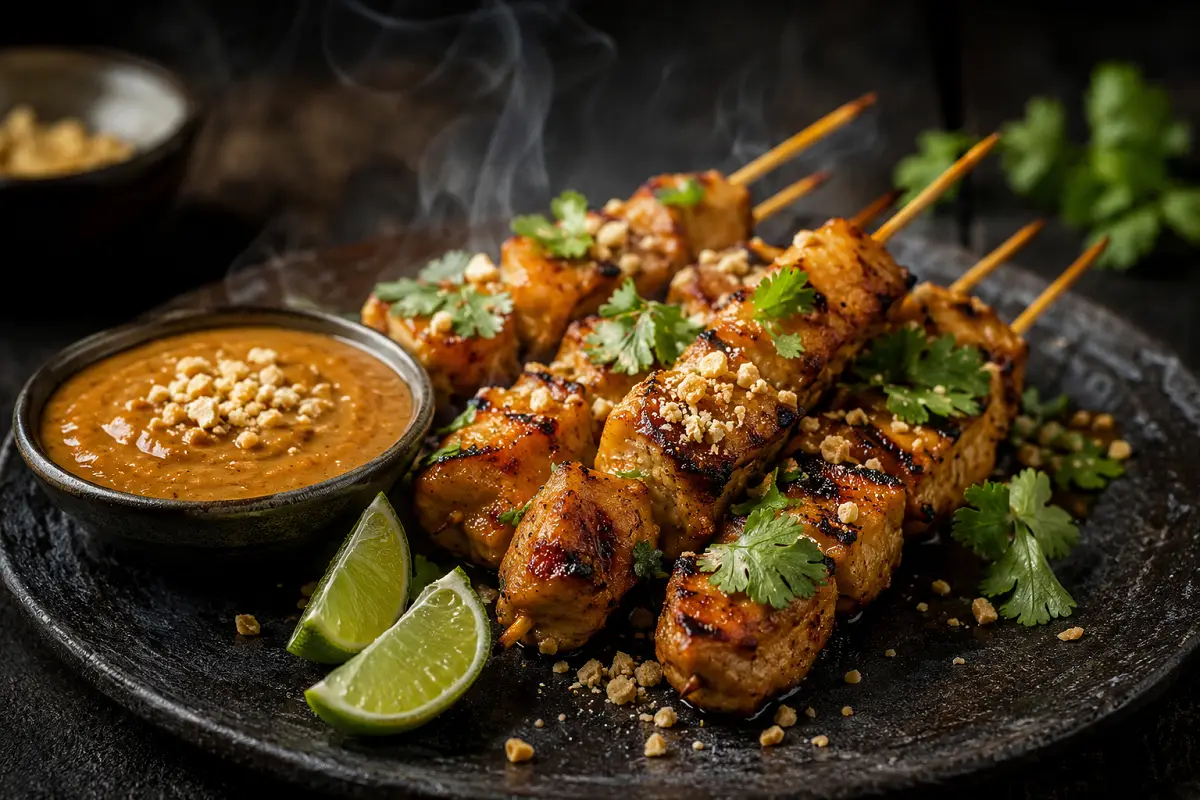
Chicken Satay is one of those starters that separates average cooking from proper grill work. You get the smoke, the marinade, the char everything has to land right. It’s a staple in hotel kitchens and restaurant lines because when it’s done properly, it sells itself on the plate.
In the hospitality game, this dish earns its place. It’s flexible, it moves fast, and guests keep coming back for it. You’ll see it on Asian menus, buffets, and bar snacks where flavor, consistency, and clean plating matter.
The base is boneless chicken, cut into even strips or cubes. Keep the sizing tight if it’s uneven, it won’t cook evenly, and that shows immediately on the plate.
Marination does the heavy lifting here. You’re working spices, coconut milk, and seasoning deep into the meat. Give it the right time too short, no flavor; too long, and the texture starts breaking down.
Turmeric, coriander, cumin, garlic, ginger, lemongrass this is where the identity of the dish comes from. Balance it properly, and you get that clean, authentic satay flavor every time.
Coconut milk brings the richness and keeps the chicken from drying out on the grill. It’s not optional it’s what keeps the bite juicy under heat.
Skewering matters more than people think. Thread the chicken evenly, don’t crowd it. And if you’re using bamboo, soak it first or you’ll burn the sticks before the chicken cooks.
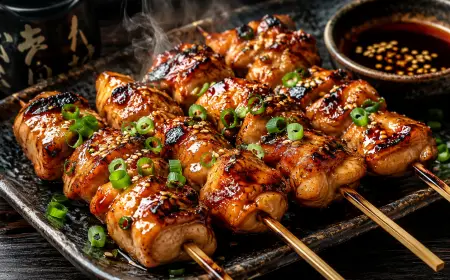
Grilling is where the dish comes alive. Charcoal, grill, or salamander doesn’t matter, as long as you build that smoky edge and light char. That’s the flavor guests are paying for.
Heat control is everything. Medium to high heat keeps it cooking through without drying out. Keep turning the skewers leave them sitting, and you’ll burn one side and undercook the other.
Baste while it grills. Oil or leftover marinade works. It keeps the surface moist and builds that glossy finish you want on the plate.
The texture should hit clean juicy inside, light char outside. Miss that, and the whole dish feels off.
It’s always paired with peanut sauce. Rich, nutty, a bit of heat and sweetness it balances the grilled chicken perfectly and rounds out the dish.
On the side, keep it fresh pickled veg, cucumber, onions. They cut through the richness and keep the plate from feeling heavy.
Flavor has to stay balanced. Savory, a little sweet, a touch of spice nothing should overpower the rest.
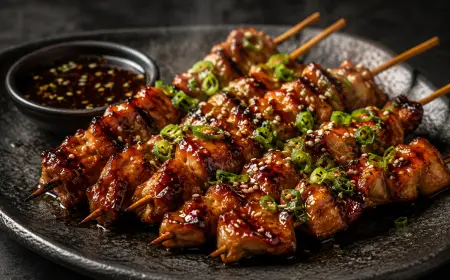
Plating stays tight. Line up the skewers clean, keep the sauce neat, don’t let it look messy. This dish should look as sharp as it tastes.
Finish with coriander, sesame, lime. Small touches, but they lift both the flavor and the look.
Handle your poultry right. Clean prep, proper storage, correct cooking no shortcuts here.
Portion control stays locked in. Same number of skewers, same size every time that’s how you control cost and keep service consistent.
This is a solid training dish. It teaches grilling, marination, and plating under real kitchen pressure.
Get your prep sorted early marinate and skewer ahead. When orders come in, you just hit the grill and move.
You can tweak marinades or sauces, sure. But the classic version keeps winning because it works.
This dish fits anywhere buffets, bar menus, fine dining starters. It’s reliable and delivers strong flavor every time.
Consistency is everything. Same marinade, same heat, same timing every batch should match the last.
Serve it straight off the grill. Let it sit, and you lose heat, moisture, and that fresh char.
What defines this dish is simple smoke, tenderness, and that peanut sauce on the side. Get those right, and it stands out every time.
At the end, Chicken Satay is all about control and execution. Nail the prep, respect the grill, and the plate will speak for itself.
Chicken Satay Preparation Method
Chicken is marinated with spices and coconut milk, skewered, and grilled over medium-high heat until tender and slightly charred, then served with a rich peanut sauce.
Also Read: Tempura Prawns Recipe
SOP (Standard Operating Procedure)
Use fresh boneless chicken and maintain hygiene. Marinate for sufficient time. Soak wooden skewers before use. Grill at controlled temperature and baste regularly. Avoid overcooking. Maintain portion consistency and serve immediately with sauce.
Garnish & Presentation
Garnish with chopped coriander, sesame seeds, and lime wedges. Serve with peanut sauce in a side bowl for an elegant hotel style presentation.
Plating & Serving Tips
Arrange skewers neatly on rectangular platters. Place dipping sauce alongside. Add cucumber and onion slices for freshness. Ideal for buffet service, bar snacks, and restaurant preparation menus.
Ingredients
- Boneless chicken (strips/cubes) – 500 grams
- Coconut milk – 120 ml
- Soy sauce – 25 ml
- Turmeric powder – 4 grams
- Salt – 8 grams
- Red chilli powder – 6 grams
- Cumin powder – 5 grams
- Coriander powder – 8 grams
- Ginger-garlic paste – 25 grams
- Oil (for basting) – 40 ml
- Brown sugar – 10 grams
- Lemon juice – 15 ml
Nutritional Information
- Calories: 320 kcal
- Protein: 28 g
- Carbohydrates: 12 g
- Fat: 18 g
- Fiber: 2 g
Directions
1. Prepare Chicken
Cut chicken into uniform strips or cubes.
2. Marinate
Mix all marinade ingredients and coat chicken. Rest for 30 minutes.
3. Skewer
Thread chicken onto soaked skewers.
4. Grill
Grill on medium-high heat, turning regularly.
5. Baste
Apply oil or marinade while grilling.
6. Prepare Sauce
Cook all peanut sauce ingredients until smooth and thick.
7. Check Doneness
Ensure chicken is fully cooked and slightly charred.
8. Plate
Arrange skewers neatly with sauce.
9. Garnish
Add coriander, sesame seeds, and lime wedges.
10. Serve
Serve hot immediately.
Rate this Recipe
User Reviews
No reviews yet. Be the first to share your thoughts!