Juicy Chicken Boti Kebab with a Smoky Char That Rivals Any Dhaba
Chicken boti kebab with double marinade, papaya tenderizer & dhungar smoky finish. Juicy Mughlai skewer kebab ready in 55 mins. Get the full recipe now.
 Tripti Srivastava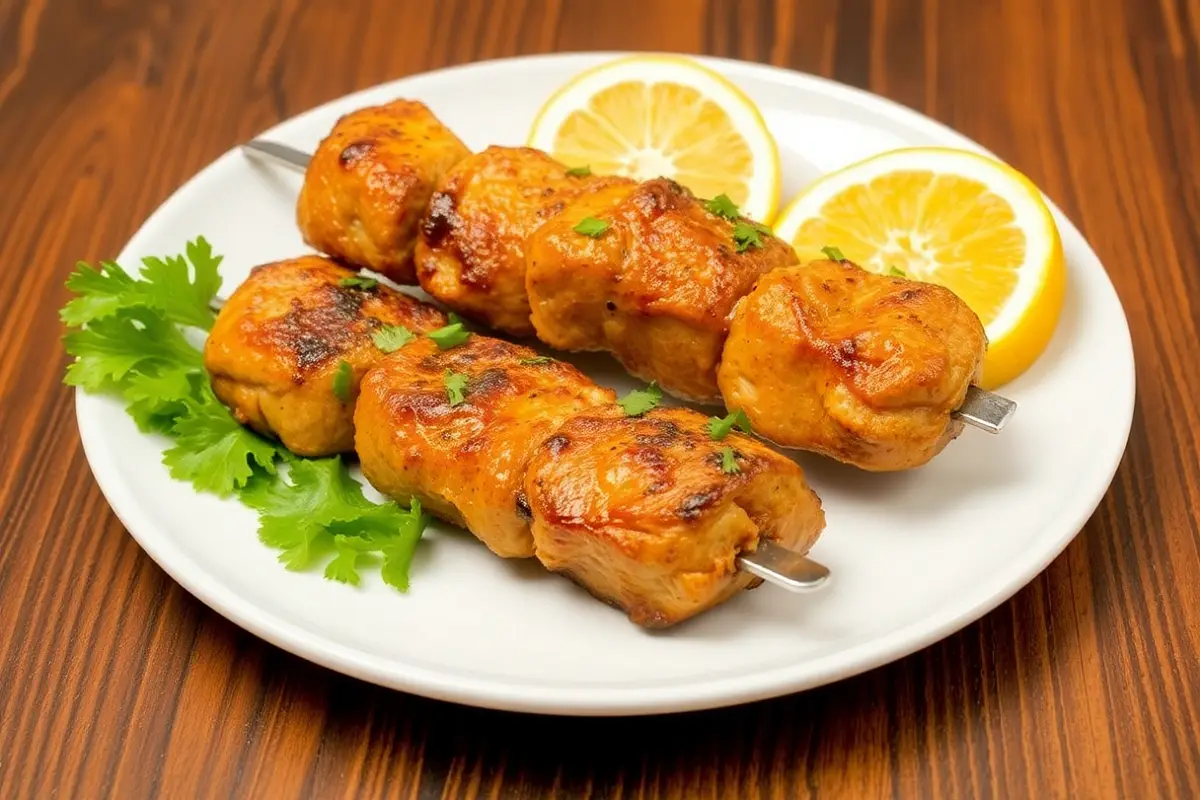
There is a reason chicken boti kebab has survived centuries of culinary evolution and still draws a crowd at every dhaba, wedding, and street stall that serves it. That reason is simple: when it is made correctly, a boti kebab is one of the most satisfying things you can put on a plate. The outside is slightly charred and caramelised. The inside is soft, juicy, and so deeply flavoured from the marinade that every bite is complete in itself. It is not a complicated dish. But it is one that rewards you generously for understanding a few key techniques and this recipe is built around every single one of them.
The word "boti" simply means "pieces of meat" in Urdu and Hindi and that directness is part of what defines the dish. Boti kebab is a traditional skewered meat dish originating from the Indian subcontinent and is closely associated with Mughlai and Awadhi cuisines centred in Lucknow, where it was refined during the Nawabi period under Persian culinary influence. What sets chicken boti kebab apart from other skewer preparations is the emphasis on the tenderising step a brief first marinade using raw papaya paste that breaks down the protein fibres in the chicken before the main spiced marinade ever touches it. The result is a kebab that is tender in a way that most home-cooked chicken simply is not.
This recipe uses the authentic double-marinade approach, gives you multiple cooking methods to choose from, includes the dhungar charcoal smoking technique for a true tandoor-style finish, and walks you through every step in the order that produces the best result. Whether you are cooking for a weeknight dinner, an Eid platter, or a summer barbecue, this is the chicken boti kebab recipe you will keep coming back to.
What Makes This Chicken Boti Kebab Recipe Special
Chicken boti kebabs can go wrong in two specific directions either the chicken is tough and chewy, or it is overcooked and dry. This recipe is built to avoid both, through a few deliberate choices at every stage.
- The double marinade system. The first marinade is a short, sharp tenderising treatment using raw papaya paste, salt, and a touch of mustard oil or vinegar. Raw papaya contains papain a natural enzyme that breaks down tough muscle fibres in the chicken and makes the meat genuinely, noticeably tender in as little as 15 minutes. The second marinade is the full spiced yoghurt mixture that builds the flavour. Using both in sequence produces a result that neither alone can match tender from the first marinade, deeply flavoured from the second.
- Chicken thighs over breast and here is why. Boneless chicken thighs have more natural fat than breast meat, which means they stay juicy during the high heat of a tawa sear or oven cook. Breast meat works and is used in this recipe too, but if you want the most forgiving, flavour-rich result with the least risk of dryness, thighs are the better choice and the traditional preference.
- Roasted besan (gram flour) in the marinade. A tablespoon of dry-roasted gram flour stirred into the second marinade does two things: it helps the yoghurt coating cling to the chicken surface rather than sliding off during cooking, and it creates a slightly thicker, nuttier crust during the sear that adds textural contrast to the soft interior.
- Mustard oil for the authentic dhaba aroma. Using mustard oil heated to smoking point and then cooled in the second marinade adds the sharp, pungent depth that defines the smell of a North Indian roadside kebab. You can use neutral oil if mustard is unavailable, but the difference in aroma is significant and worth the extra step.
- The dhungar smoky finish. After cooking on the tawa or in the oven, a two-minute charcoal smoking treatment using the dhungar method infuses the kebabs with an unmistakable tandoor-like smokiness that transforms a very good home-cooked kebab into something that genuinely tastes like it came off a live coal grill.
Chicken Boti Kebab Ingredients Overview
Start with boneless chicken either thighs or breast, cut into uniform 3 to 4 cm (1.5 inch) cubes. Thighs give you more moisture and flavour; breast gives you a slightly leaner result with a firmer texture. For the best of both, use a combination of the two. Whatever you choose, cut the pieces as uniformly as possible so they cook at the same rate on the skewer. Pat the chicken dry with kitchen paper before marinating surface moisture dilutes the marinade and prevents it from bonding to the meat.
Raw papaya paste is the tenderising agent in the first marinade. Peel and blend a small piece of raw green papaya the greener the better, as riper papaya has less papain enzyme activity. About two tablespoons of paste is enough for 500g of chicken. Leave it on for no more than 20 minutes beyond that, the enzyme begins to over-tenderise the outer layer of the meat and makes it slightly mushy rather than silky. If raw papaya is unavailable, a tablespoon of kiwi pulp or a teaspoon of meat tenderiser powder works as a substitute, though raw papaya gives the most natural result.
The second marinade is built on thick hung curd or Greek yoghurt, and every element serves a specific purpose. Ginger-garlic paste for aromatics. Kashmiri red chilli powder for the deep orange-red colour without aggressive heat. A touch of green chilli paste for fresh heat that the dried chilli alone cannot provide. Coriander powder, cumin powder, garam masala, and a pinch of nutmeg-mace for that layered, Mughlai-style warmth. Roasted besan for texture and binding. Mustard oil for the authentic pungent character. A squeeze of fresh lemon juice for brightness and a little extra tenderising action.
Optional additions that take the kebab closer to the restaurant version: a tablespoon of fresh cream stirred into the second marinade adds a subtle richness and helps the coating caramelise more evenly. A small pinch of orange food colour is used in many dhaba kitchens for visual impact entirely optional and this recipe achieves a beautiful natural orange from Kashmiri chilli alone. For a gluten-free version, simply leave out the besan and replace with cornstarch.
Also Read: Paneer Tangdi Style Recipe
How to Make It
The process follows the double marinade sequence: first marinade with papaya paste for 15 minutes, then second marinade with the spiced yoghurt mixture for at least 30 minutes (ideally 2 hours). Thread onto skewers and cook on a hot tawa, in an oven, on a charcoal grill, or in an air fryer. Finish with the dhungar smoky step if desired, baste with ghee or butter, and serve immediately with green chutney and dressed onion rings. The active preparation time is about 20 minutes the rest is the patient work of marination that the recipe does for you while you set up your serving accompaniments.
The cooking itself is fast. On a hot tawa with enough oil to prevent sticking, chicken boti kebabs take about 12 to 15 minutes of total cooking time, rotating the skewers every 2 to 3 minutes to develop an even char on all sides. The visual cue for doneness is clear the coating turns a deep, caramelised orange-red with slightly darker, charred edges, and the juices run clear when you press a piece with tongs. The full step-by-step directions are below.
Tips for Best Results
- Do not leave the papaya paste on longer than 20 minutes. Papain is a powerful enzyme and it works fast. Beyond 20 minutes, it begins to break down the outer layer of the chicken into a slightly slimy, mushy texture that cannot be corrected. Set a timer and rinse or wipe the first marinade off before the second marinade goes on.
- Use hung curd, not regular yoghurt. Regular yoghurt contains too much whey it makes the marinade watery and prevents it from clinging to the chicken surface. Hung curd is thick, dry, and stays on the meat during cooking. Drain regular yoghurt through a muslin cloth for 20 to 30 minutes or use Greek yoghurt as a direct substitute.
- Smoke the mustard oil before adding it. Heat a tablespoon of mustard oil in a small pan until it just starts to smoke, then remove from heat and cool completely before stirring into the marinade. This removes the harsh raw edge and leaves behind a smooth, fragrant oil that adds the characteristic dhaba depth without bitterness.
- Marinate for as long as you can. Thirty minutes gives good results. Two hours gives noticeably better results. Overnight gives the best result of all. The second marinade penetrates the already-tenderised chicken slowly and builds a depth of flavour that short marination simply cannot replicate.
- Bring the marinated chicken to room temperature before cooking. Cold chicken straight from the fridge onto a hot tawa creates a large temperature differential that leads to uneven cooking charred outside before the centre is done. Take the chicken out 15 minutes before you plan to cook it.
- Do not crowd the skewers or the pan. Give each piece of chicken enough space that the heat can reach all surfaces. Crowded skewers steam the chicken instead of searing it. Crowded pans do the same. Cook in batches if necessary and keep finished batches warm on a rack in a low oven.
Serving Suggestions
The classic serve is exactly what you find at every Lucknow kebab stall that has been getting it right for decades a plate of hot kebabs with a mound of thinly sliced raw onion rings, a wedge of lemon, and a bowl of green coriander-mint chutney. The raw onion cuts through the richness of the yoghurt marinade, the lemon brightens the char, and the chutney provides the herbaceous freshness that makes the whole plate feel balanced. A small bowl of mint raita on the side is an optional but very welcome addition, especially if the kebabs are on the spicier side.
For a more substantial meal, serve the chicken boti kebabs tucked inside a warm roomali roti or naan with shredded cabbage, sliced tomato, raw onion rings, and a generous smear of green chutney for a proper chicken boti kebab roll.
Storage and Reheating
Fridge: Store cooked chicken boti kebabs in an airtight container for up to 3 days in the refrigerator. To reheat without drying out the chicken, place on a tawa over medium heat with a very small splash of water, cover with a lid for 1 to 2 minutes, then uncover and heat for another minute on each side to re-crisp the exterior. An air fryer at 180°C for 5 to 6 minutes also works extremely well. Avoid the microwave it makes the chicken chewy and the marinade coating rubbery.
Freezer: This is one of the best make-ahead options in this recipe category. After the second marinade, place the marinated uncooked chicken cubes (on or off the skewers) in a zip-lock bag and freeze for up to 4 weeks. Thaw in the refrigerator overnight and cook from thawed following the same method. You can also freeze cooked kebabs for up to 2 weeks and reheat on a tawa or in the air fryer directly from frozen, adding a few extra minutes.
Variations and Substitutions
- Malai Boti Kebab: Replace the Kashmiri red chilli powder in the second marinade with white pepper powder, replace mustard oil with neutral oil, and add 3 tablespoons of fresh cream and a tablespoon of cashew paste to the marinade. The result is a pale, creamy, gently spiced white kebab that is luxurious, fragrant, and completely different in character from the standard red boti. Finish with a pinch of cardamom powder and ginger juliennes at the table.
- Mutton or Lamb Boti Kebab: Replace chicken with boneless mutton or lamb leg cubes. Double the papaya paste quantity and extend the first marinade time to 30 minutes mutton needs more tenderising than chicken. The second marinade and cooking technique remain identical. Increase the cooking time by 4 to 5 minutes per side to ensure the mutton is cooked through.
- Charcoal Grill Version: After the full second marinade, thread the chicken onto metal skewers and grill over a medium-hot charcoal fire, rotating every 2 minutes, for 12 to 15 minutes total. Baste with ghee in the final 2 minutes. The charcoal itself provides the smoky character that the dhungar step replicates on a stovetop this is the most traditional and authentic method of cooking boti kebab.
- Oven and Grill Method: Place skewered chicken on a wire rack over a foil-lined tray. Bake at 220°C (430°F) for 15 to 18 minutes, turning once halfway. Switch to the grill or broiler setting for the final 3 to 4 minutes for a charred finish. Baste with ghee or butter immediately after removing from the oven.
- Air Fryer Version: Lightly brush skewered chicken with oil. Air fry at 200°C (390°F) for 14 to 16 minutes, turning once at the halfway point. Brush with ghee after removing. Finish with the dhungar smoking step if you want the full smoky character.
Preparation Method
Begin by preparing the raw papaya paste: peel a small piece of raw green papaya, roughly chop, and blend with a teaspoon of water to a smooth paste. Set aside. Cut the chicken into uniform 3 to 4 cm cubes, pat dry with kitchen paper, and place in a large bowl. Add the papaya paste, a pinch of salt, and either a teaspoon of mustard oil or malt vinegar. Mix well to coat every piece, cover, and leave for exactly 15 minutes no longer. While the first marinade works, prepare the second: in a separate bowl, combine the hung curd, smoked-and-cooled mustard oil, ginger-garlic paste, green chilli paste, Kashmiri red chilli powder, coriander powder, cumin powder, garam masala, nutmeg, dry-roasted besan, lemon juice, and salt. Stir into a smooth, thick, fragrant marinade.
After 15 minutes, wipe or lightly rinse the papaya paste off the chicken pieces. Pat dry again briefly, then add the chicken to the second marinade. Toss thoroughly to coat every surface, pressing the marinade into the chicken. Cover and refrigerate for a minimum of 30 minutes. For best results, marinate for 2 hours. Thread onto pre-soaked bamboo or flat metal skewers, placing 3 to 4 chicken pieces per skewer with a small gap between each piece for even heat circulation. Leave on the counter for 15 minutes before cooking.
Standard Operating Procedure (SOP)
For consistent, restaurant-quality results every single time, follow this sequence without shortcuts: cut and dry chicken → first papaya marinade exactly 15 minutes → wipe off first marinade → apply full second marinade → refrigerate minimum 30 minutes (2 hours preferred, overnight for the best result) → rest at room temperature 15 minutes before cooking → thread onto skewers with gaps → cook on very hot tawa or oven or air fryer → rotate every 2–3 minutes → baste with ghee in final minute → dhungar smoky finish if desired → serve immediately with chutney, onion rings, and lemon. The three steps most home cooks skip or rush are the papaya timing (always use a timer), the marination rest (longer is always better), and the room-temperature rest before cooking (cold chicken into a hot pan is the number one cause of uneven results). Respect all three and you will turn out kebabs that are genuinely impressive every time.
For party and catering batches, the second marinade can be applied up to 24 hours in advance, making this one of the most practical recipes to prepare ahead for large gatherings. Thread onto skewers the day before, cover the tray tightly with cling film, and refrigerate overnight. On the day of the event, bring to room temperature for 15 to 20 minutes and cook in batches. Keep finished kebabs warm on a wire rack in a 100°C oven with a loose foil tent. Never stack cooked kebabs the trapped steam softens the exterior and the pieces will stick together. Perform the dhungar smoking step fresh at the table just before serving for maximum aromatic impact.
Garnish and Presentation
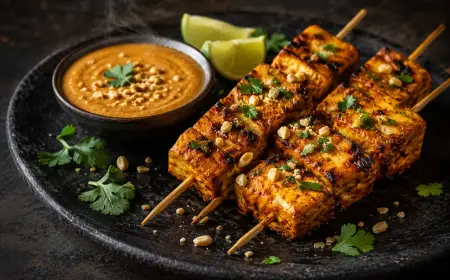
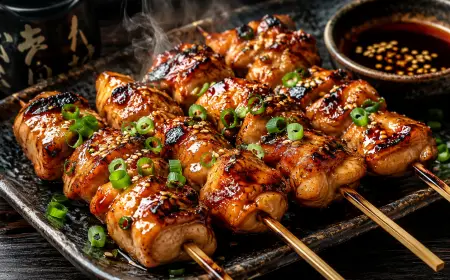
Chicken boti kebab has a naturally stunning appearance the deep orange-red of the Kashmiri chilli marinade against the slightly charred edges is visually dramatic without requiring any effort. Choose a dark plate, slate board, or blackened wooden platter as your serving surface to let that colour speak for itself. Lay a neat row of thinly sliced raw red onion rings tossed with a pinch of chaat masala and fresh lemon juice at one end of the plate they should glisten slightly. Arrange the kebabs on the skewers leaning against the onion or flat in a slight overlap with the char-side facing up.
A light drizzle of melted ghee or butter directly over the kebabs just before they reach the table adds a glossy sheen and a warm, nutty aroma that is irresistible. A wedge of fresh lemon, two slit green chillies, and a small generous sprig of fresh coriander complete the plate. For a restaurant-style finish, scatter a small pinch of chaat masala directly over the kebabs after the ghee drizzle the combination of the glossy ghee, the sharp chaat masala, and the herbs looks considered and professional even on the simplest plate.
Plating and Serving Tips
Serve chicken boti kebab hot within 3 to 4 minutes of coming off the tawa or out of the oven, while the ghee baste is still warm and the char at the edges is still slightly crisp. For individual plating, keep it clean and intentional: two to three skewers per plate, one dipping bowl, a small dressed salad of onion and coriander, and a lemon wedge. Resist the urge to clutter the plate the kebabs are beautiful enough to be the centrepiece without competing elements surrounding them.
For a sharing board at a party, arrange the skewers in a fan across a long wooden board, tips pointing outward for easy lifting. Place the green chutney and mint raita bowls at the base of the fan. Scatter the dressed onion rings along both sides of the kebabs, and tuck in lemon wedges and fresh coriander sprigs in the gaps. Perform the dhungar smoking step at the table the column of smoke when you lift the cover is theatrical, aromatic, and will make every person in the room look up. It takes less than three minutes and guarantees that every guest knows something special just arrived.
If you make this chicken boti kebab recipe, I would genuinely love to hear how it went. Leave a star rating below and drop a comment which method did you cook by, did you try the papaya tenderiser for the first time, did you go for the dhungar smoky finish? Your feedback helps other readers cook with more confidence and I read every comment that comes through. Save this recipe to Pinterest now so it is always there for your next Eid platter, summer barbecue, or weeknight craving that only something smoky and spiced will satisfy!
Ingredients
- 500g (1.1 lb) boneless chicken thighs or breast
- 2 tablespoons raw green papaya paste
- ¼ teaspoon salt
- 1 teaspoon mustard oil
- ½ cup hung curd or thick Greek yoghurt
- 1 tablespoon ginger-garlic paste
- 1 teaspoon green chilli paste
- 1½ teaspoons Kashmiri red chilli powder
- A small pinch of mace powder (javitri)
- ½ teaspoon cumin powder
- ½ teaspoon garam masala
- A small pinch of nutmeg powder
- 1 tablespoon fresh lemon juice
- 1 teaspoon coriander powder
- 1 teaspoon salt (adjust to taste)
Nutritional Information
- Calories: 245 kcal
- Protein: 28g
- Carbohydrates: 8g
- Fat: 12g
- Fiber: 1g
- Sodium: 460mg
- Sugar: 3g
Directions
1. PREPARE THE CHICKEN
Cut the boneless chicken into uniform 3 to 4 cm (1.5 inch) cubes.
Try to keep the pieces as consistent in size as possible — uneven pieces
mean some cook through before others and you risk dry spots on the same skewer.
Pat the chicken pieces dry with kitchen paper towels on all sides.
Any surface moisture will dilute the marinade and prevent it from bonding
to the meat surface. Set the dried chicken aside in a large bowl.
2. MAKE THE PAPAYA PASTE AND APPLY FIRST MARINADE
Peel a small piece of raw green papaya (about 50g), roughly chop, and blend
with one teaspoon of water to a smooth paste. You should have approximately
2 tablespoons of pale, smooth paste. Add the papaya paste, ¼ teaspoon of salt,
and 1 teaspoon of mustard oil or malt vinegar to the chicken bowl.
Mix thoroughly to coat every piece. Set a timer for exactly 15 minutes.
Do not exceed this time — the papain enzyme in raw papaya works quickly
and over-tenderising will make the outer layer of the chicken unpleasantly
mushy. At the 15-minute mark, wipe the papaya paste off the chicken pieces
with kitchen paper, or rinse briefly under cold water and pat dry again.
3. SMOKE THE MUSTARD OIL
Heat 1 tablespoon of mustard oil in a very small pan over high heat for
1 to 2 minutes until you see a thin wisp of white smoke rise from the surface.
Remove immediately from the heat. Set aside to cool to room temperature
completely before adding it to the marinade — approximately 10 minutes.
This step removes the harsh, sharp edge of raw mustard oil and leaves behind
a smooth, fragrant oil that gives the marinade its characteristic dhaba aroma.
4. DRY-ROAST THE BESAN
While the mustard oil cools, place the besan in a small dry pan over medium-low
heat. Stir constantly for 3 to 4 minutes until it turns one shade darker and
smells faintly nutty. Remove from heat immediately and spread on a plate to cool.
Do not let it burn — remove it the moment the nutty aroma appears.
5. BUILD THE SECOND MARINADE
In a large mixing bowl, combine the hung curd, cooled smoked mustard oil,
ginger-garlic paste, green chilli paste, Kashmiri red chilli powder, coriander
powder, cumin powder, garam masala, nutmeg, mace (if using), cooled roasted
besan, fresh cream (if using), lemon juice, and salt. Whisk everything together
until the marinade is completely smooth, thick, and evenly combined.
Taste the marinade — it should be bold, tangy from the curd, warmly spiced,
and faintly pungent from the mustard oil. Adjust salt and chilli to preference.
6. APPLY SECOND MARINADE AND REFRIGERATE
Add the first-marinade-treated chicken pieces to the second marinade bowl.
Toss thoroughly with your hands to coat every surface of every piece, pressing
the marinade in firmly. Cover the bowl with cling film and refrigerate for a
minimum of 30 minutes. For a noticeably deeper result, marinate for 2 hours.
For the absolute best flavour, marinate overnight (up to 12 hours).
7. PREPARE FOR COOKING
Remove the marinated chicken from the refrigerator 15 minutes before cooking
to take the cold edge off and help it cook more evenly on the tawa.
If using bamboo skewers, remove from their water soak and pat dry.
Thread 3 to 4 chicken pieces onto each skewer with a small 5mm gap between
each piece. This gap allows heat to circulate and ensures the sides between
pieces cook through rather than steaming against each other.
8. COOK ON TAWA (STOVETOP METHOD)
Heat a heavy-bottomed non-stick pan or cast-iron tawa over high heat for
2 full minutes until very hot. Add 2 tablespoons of oil and swirl to coat.
The oil should shimmer immediately. Place the skewers on the tawa with enough
space between them — do not crowd. Cook for 2 to 3 minutes without moving
until the underside develops a deep orange-red sear with slightly charred edges.
Rotate the skewer a quarter turn and cook for another 2 to 3 minutes.
Continue rotating every 2 to 3 minutes until all sides are evenly coloured —
total cooking time approximately 12 to 15 minutes.
In the final minute of cooking, add a knob of ghee to the pan and tilt to baste
the melted ghee over the kebabs. The ghee adds gloss, richness, and a warm
roasted aroma that finishes the kebab the way a tandoor naturally would.
Remove from the pan and rest for 2 minutes.
9. DHUNGAR SMOKY FINISH (OPTIONAL BUT RECOMMENDED)
Heat a small piece of charcoal directly over a gas flame using metal tongs
until it is glowing red and grey at the edges — approximately 3 to 4 minutes.
Place a small steel bowl or folded piece of foil in the centre of your
serving platter. Set the glowing coal inside. Arrange the cooked chicken
boti kebabs around the bowl immediately. Drizzle ½ teaspoon of ghee over
the hot coal — it will produce a thick, fragrant smoke at once.
Cover the entire platter tightly with a large bowl or sheet of foil within
3 seconds of the smoke appearing. Leave covered for 2 minutes, then uncover
and discard the coal. Serve the kebabs while still faintly smoky.
10. FINISH AND SERVE
Drizzle melted ghee over all the cooked kebabs.
Sprinkle a pinch of chaat masala and a squeeze of fresh lemon juice over the top.
Arrange on the serving plate alongside dressed raw onion rings, a lemon wedge,
slit green chillies, and a generous sprig of fresh coriander.
Serve immediately alongside green coriander-mint chutney and mint raita
while the kebabs are at their hottest, juiciest, and most fragrant.
Rate this Recipe
User Reviews
No reviews yet. Be the first to share your thoughts!