Samosa Recipe with SOP & Presentation Guide
Samosa recipe with SOP & presentation guide for hotel style and restaurant preparation with crispy texture and consistent results.
 Tripti Srivastava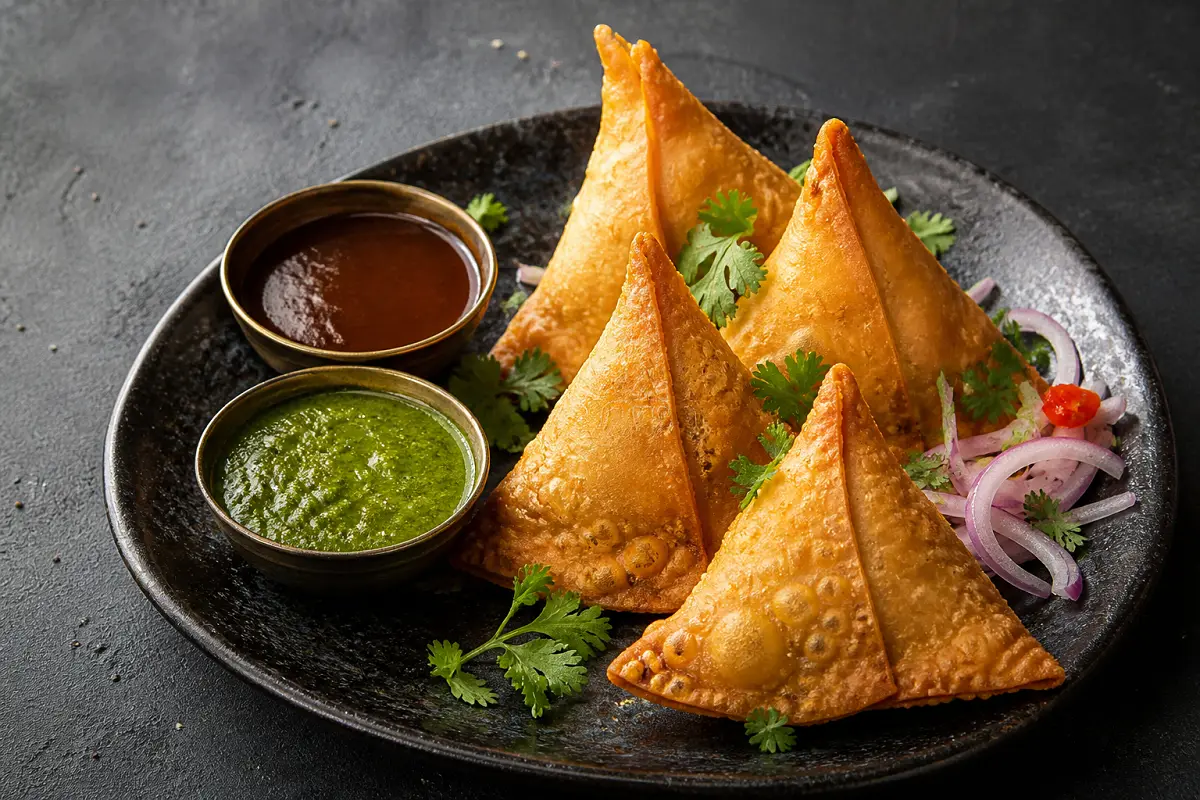
Samosa Recipe is a classic Indian starter that runs strong across hotel kitchens, restaurant prep, and catering lines. Crisp shell, spiced filling it’s a staple on any serious menu, from bars to training kitchens.
In a professional setup, samosa isn’t just a snack it’s a test piece. It shows your control, your consistency, and whether you actually follow SOP on the line. From buffets to à la carte, it stays in demand because it’s versatile, cost-friendly, and guests never say no to it.
The make or break is texture. The outer layer needs to come out crisp, flaky, and evenly golden. Inside, the filling should be tight, aromatic, and completely dry. You don’t hit that by chance you get there with measured ingredients, tight moisture control, and steady frying.
In hotel-style prep, the dough is kept firm refined flour, fat, and just enough water to bring it together.
That tight dough is what gives you a clean, blister-free finish. Add too much water and you’ll see bubbles, oil soak, and a weak crust. That doesn’t pass on any professional line.
The filling stays classic boiled potatoes and green peas with cumin seeds, coriander powder, garam masala, and dry mango powder.
But here’s the rule cook it till it’s dry. Any moisture left and it leaks during frying, breaks structure, and kills the batch.
Moisture control is everything here. Too much and the texture drops, shelf life drops with it. That’s why kitchens cool the filling fully before stuffing, and rest the dough properly so it holds shape and strength.
Portion control matters. Every samosa should match in size and weight. That’s how you get even cooking and clean plating, especially when you’re pushing volume in buffets or banquets.
Shaping shows your skill. That triangle needs to be tight and sealed right. If it’s loose, oil gets in and filling comes out. No shortcuts here this is pure hand control.
Frying is where most people mess up. This isn’t high heat work.
You hold the oil at 160 to 170°C and let it cook steady. That’s how it cooks through properly and gives you that clean golden crust without blisters.
Oil temperature needs to stay consistent. Drop it and the samosa drinks oil. Push it too high and it colours fast but stays raw inside. That’s why batch frying is standard, it keeps control tight.
On service, samosa fits everywhere. Tea snacks, starters, buffet trays, cocktail bites it works across formats. Mini versions are common in banquets for tighter portions and cleaner service.
Plating lifts it. Mint chutney, tamarind sauce, onion rings, lemon wedges, maybe some microgreens.
Keep it sharp. Let the product do the talking.
This recipe also sits at the core of kitchen training. It builds dough handling, filling control, shaping, frying, and SOP discipline. If you can run samosa clean, your basics are solid.
Preparation Method of Samosa recipe
Prepare a firm dough using refined flour, oil, and salt with minimal water. Let it rest so it develops strength.
Cook the filling by sautéing spices with potatoes and peas until dry. Cool it completely before stuffing—warm filling will break structure and affect the finish.
SOP (Standard Operating Procedure)
Keep portion size consistent for every samosa. Dough should be firm and non-sticky. Filling must be dry and cooled.
Maintain oil temperature between 160 to 170°C. Fry in batches, don’t overcrowd. Stick to hygiene and consistency at all times.
Garnish & Presentation
Serve samosas hot with mint chutney and tamarind sauce. Add onion rings, lemon wedges, and fresh coriander leaves for a clean finish.
Plating & Serving Tips
Use white or slate plates for contrast. Arrange samosas neatly symmetrical or diagonal.
Serve immediately. Once it sits, you lose the crispness. For banquets, mini samosas keep portions tight and service clean.
also read : Paneer Tikka Recipe with SOP & Presentation Guide
Ingredients
- Refined flour (maida) 300 grams
- Oil or ghee 60 ml
- Salt 6 grams
- Water 120 ml
- Boiled potatoes 400 grams
- Green peas 100 grams
- Oil 20 ml
- Cumin seeds 5 grams
- Ginger (chopped) 10 grams
- Green chilli (chopped) 5 grams
- Coriander powder 8 grams
- Red chilli powder 5 grams
- Garam masala 4 grams
- Dry mango powder (amchur) 5 grams
- Fresh coriander leaves 20 grams
- Salt 8 grams
- Oil 700 ml
Nutritional Information
- Calories: 280 kcal
- Protein: 5 g
- Carbohydrates: 32 g
- Fat: 15 g
- Fiber: 4 g
Directions
1. Prepare the Dough
Mix refined flour, salt, and oil in a bowl. Rub until crumbly. Add water gradually and knead into a firm dough. Cover and rest for 20 minutes.
2. Prepare the Filling
Heat oil in a pan. Add cumin seeds, ginger, and green chilli. Sauté for 1–2 minutes.
3. Cook the Filling
Add boiled potatoes and green peas. Add spices and mix well. Cook until the mixture becomes dry. Cool completely.
4. Divide the Dough
Divide the dough into equal portions and roll each portion into an oval shape.
5. Shape the Cone
Cut the rolled dough into halves. Fold each half into a cone and seal the edge using water.
6. Stuff the Samosa
Fill the cone with prepared mixture. Seal the open edge tightly to form a triangle.
7. Heat the Oil
Heat oil in a deep pan and maintain temperature at 160–170°C.
8. Fry the Samosa
Place samosas in oil and fry on low to medium heat until golden brown and crisp.
9. Drain Excess Oil
Remove samosas and place on absorbent paper to remove excess oil.
10. Serve
Serve hot with mint chutney and tamarind sauce.
Rate this Recipe
User Reviews
-
Munni Khatun ★★★★★this is very good6 months ago