Global Airlines Expand Reach to India, Launching New Routes and Enhancing Connectivity Amid Economic Shifts
 Munni Khatun


In response to shifting global economic dynamics, several major international airlines are enhancing their presence in India by launching new routes and expanding existing services. This strategic move comes as airlines seek to tap into India’s rapidly growing aviation market, compensating for softer demand on transatlantic routes. By increasing connectivity between India and key global destinations, these airlines are positioning the country as a crucial hub in the international aviation landscape, while also offering passengers more flexible travel options. With collaborations and code-share agreements between global carriers and Indian airlines, the expanded reach promises to drive both business and leisure travel to new heights.
The skies over India are set to experience increased activity as international airlines introduce new routes to the country, compensating for weaker transatlantic demand caused by global economic uncertainties. During the International Air Transport Association’s (IATA) annual general meeting held in New Delhi this week, both foreign carriers and major Indian airlines announced a variety of plans to initiate or expand their services to and from India. This shift comes in response to the growing aviation demand in India, which is anticipated to play a significant role in the global aviation landscape in the years to come.
One of the most notable announcements came from Delta Air Lines, which intends to launch non-stop flights from its Atlanta hub to New Delhi. This route expansion underscores the increasing appeal of India as a strategic market for global carriers. Delta has also forged a code-sharing agreement with India’s leading budget carrier, IndiGo, as well as with its international partners, Air France-KLM and Virgin Atlantic Airways. This strategic partnership aims to bolster connectivity between India and key international destinations, enhancing travel options for both business and leisure passengers.
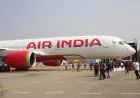
The expansion plans of foreign carriers are complemented by the aggressive international growth strategies of Indian airlines. Air India, which is now privately owned, has placed significant orders with aircraft manufacturers. Since 2023, the airline has secured orders for 570 aircraft from both Airbus and Boeing, signaling its intent to become a global aviation powerhouse. Alongside Air India, IndiGo, India’s largest domestic carrier, has also made substantial strides in expanding its international operations. The airline has placed an order for over 900 Airbus planes, which includes a recent addition of 60 A350 widebody jets. This aircraft acquisition is a clear indication of IndiGo’s commitment to expanding its international network and offering passengers a modern fleet that meets international standards.
India’s aviation sector has experienced rapid growth, driven by a burgeoning middle class and a population of 1.4 billion people. As the world’s third-largest domestic aviation market, India is poised to play a pivotal role in shaping the future of global aviation. The increasing demand for air travel within the country is reflected in the expansion of both domestic and international services. However, this positive growth story is tempered by global economic uncertainties. The trade tensions between the United States and other countries, including the imposition of tariffs under the leadership of former President Donald Trump, have raised concerns over the future of international trade and consumer spending. These uncertainties have led some international airlines to reassess their expansion strategies, particularly in markets like the United States and Europe.
Despite the challenges posed by global economic conditions, the spotlight on India’s aviation market continues to grow. Airlines from around the world are eager to tap into India’s expanding aviation sector, but there are concerns within the industry about the potential negative impacts of aggressive pricing strategies. With more airlines competing for market share, there is a risk of a price war, with airlines slashing fares to fill seats. This intense competition could lead to overcapacity, which might ultimately hurt profitability for carriers. While this could benefit consumers in the short term, airlines could face shrinking profit margins, making it difficult for them to sustain long-term operations.
IndiGo has positioned itself as a major beneficiary of the growing influx of foreign carriers into the Indian market. Through strategic alliances with global players in the aviation industry, IndiGo has strengthened its position as India’s dominant carrier. During the IATA event in New Delhi, Delta Air Lines, in collaboration with its partners Virgin Atlantic and Air France-KLM, revealed plans to expand code-sharing agreements with IndiGo. These partnerships are expected to enhance connectivity between India and international destinations, making it easier for travelers to reach key cities across the globe.
India’s aviation sector is highly regulated, with flight entitlements governed by bilateral agreements that dictate the number of seats airlines can operate. These agreements have historically limited the ability of international carriers to expand their services to India. Emirates, one of the world’s largest international airlines, has raised concerns that the current policies may impede India’s goal of becoming a global aviation hub. The airline has called for a revision of the existing restrictions to allow for greater capacity and connectivity between India and the rest of the world. As the demand for air travel to India continues to grow, it is likely that these policies will be scrutinized and potentially revised to accommodate the evolving needs of both domestic and international carriers.
Global airlines are expanding their reach to India by launching new routes and enhancing connectivity, capitalizing on the country’s growing aviation market. Amid global economic shifts, these moves aim to increase travel options and strengthen India’s role as a key hub in the international aviation network.
In conclusion, India’s aviation sector is poised for significant growth as both domestic and international airlines continue to expand their operations in the country. The increase in new routes, aircraft orders, and strategic partnerships highlights the importance of India in the global aviation landscape. However, the sector must navigate challenges such as overcapacity and regulatory limitations, which could impact long-term profitability. With its vast market potential and growing middle class, India remains one of the most promising aviation markets in the world, and the coming years will be critical in determining its future role in shaping global air travel.
The post Global Airlines Expand Reach to India, Launching New Routes and Enhancing Connectivity Amid Economic Shifts appeared first on Travel And Tour World.