How Technology and Transparency Are Reshaping India’s Restaurant Supply Chains
Technology and transparency are transforming India’s restaurant supply chains, improving efficiency, traceability, and sustainability across the hospitality industry.
 Prajakta Sanjay Warwadkar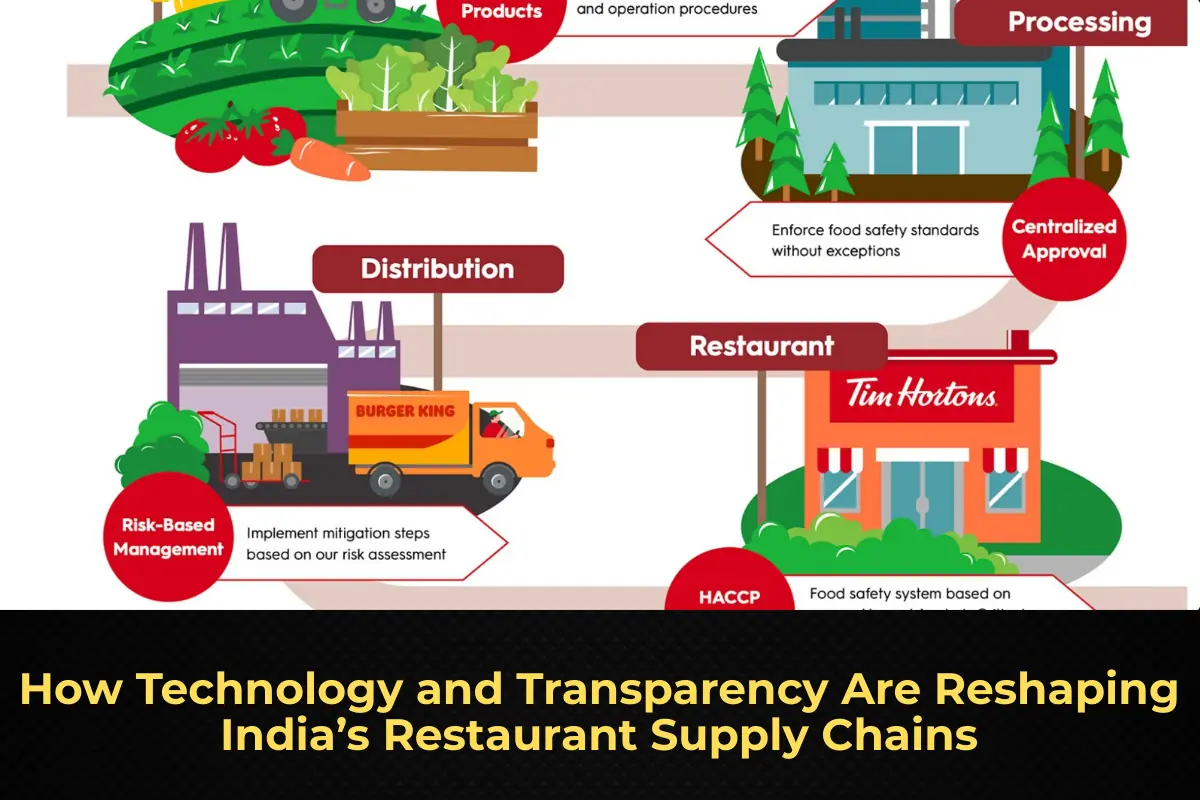

The restaurant industry in India is undergoing a significant transformation as technology and transparency reshape how supply chains operate. From digital procurement systems to improved traceability tools, restaurants are increasingly adopting modern solutions to ensure efficiency, sustainability, and accountability in sourcing ingredients.
As consumer expectations continue to evolve, diners are demanding greater transparency about where their food comes from and how it is produced. This shift is encouraging restaurants and suppliers to adopt technology-driven systems that provide better visibility across the entire supply chain.
Technology Driving Supply Chain Efficiency
Digital platforms are becoming central to the way restaurants manage procurement and supplier relationships. Technology solutions allow restaurants to track orders, manage inventory, monitor pricing, and streamline logistics in real time.
By automating many aspects of the supply process, restaurants can reduce waste, control costs, and ensure that ingredients arrive on time and in optimal condition.
These systems also enable operators to analyse purchasing patterns, helping businesses make more informed decisions about sourcing and inventory management.
The Growing Importance of Transparency
Transparency is emerging as a key priority within the food and hospitality sector. Restaurants are increasingly expected to provide information about ingredient sourcing, farming practices, and sustainability standards.
Technology plays a crucial role in enabling this transparency by allowing businesses to trace products from farm to table.
Through digital tracking systems, restaurants can verify supplier credentials, monitor product origins, and ensure compliance with food safety regulations.
Strengthening Supplier Relationships
Modern supply chain platforms are also helping restaurants build stronger partnerships with farmers, distributors, and producers.
By providing clearer communication channels and data-driven insights, these tools allow suppliers and restaurant operators to collaborate more effectively.
Improved transparency helps build trust between stakeholders, ensuring that both sides benefit from more efficient operations and predictable demand.
Supporting Sustainable Sourcing
Sustainability is becoming an important focus for many restaurants in India. Digital supply chain tools allow businesses to monitor environmental impact, track responsible sourcing practices, and support local producers.
By gaining deeper insights into their supply networks, restaurants can make choices that align with sustainability goals while maintaining product quality and consistency.
This approach not only benefits the environment but also resonates with consumers who increasingly value ethical and responsible food sourcing.
Reducing Food Waste
Another major advantage of technology-driven supply chains is the ability to reduce food waste. Real-time inventory tracking and predictive analytics help restaurants forecast demand more accurately.
By ordering the right quantities and monitoring stock levels closely, businesses can minimise spoilage and optimise ingredient usage.
Reducing waste not only improves profitability but also contributes to broader sustainability initiatives within the hospitality sector.
The Future of Restaurant Supply Chains
As digital innovation continues to expand, the future of restaurant supply chains in India is likely to become increasingly data-driven and transparent.
Technologies such as blockchain, artificial intelligence, and advanced logistics platforms are expected to further improve traceability, efficiency, and collaboration across the food ecosystem.
For restaurant operators, adopting these tools will be essential to remain competitive in an industry where operational efficiency and consumer trust are becoming critical success factors.
The shift toward technology-enabled supply chains marks an important step forward for India’s hospitality industry, paving the way for a more resilient and sustainable food system.