GLP-1 Medications and Portion Control Are Quietly Reshaping Chain Restaurant Menus
Rising use of GLP-1 medications and shifting consumer eating habits are prompting chain restaurants to rethink portion sizes, menu formats, and protein offerings in 2026.
 Prajakta Sanjay Warwadkar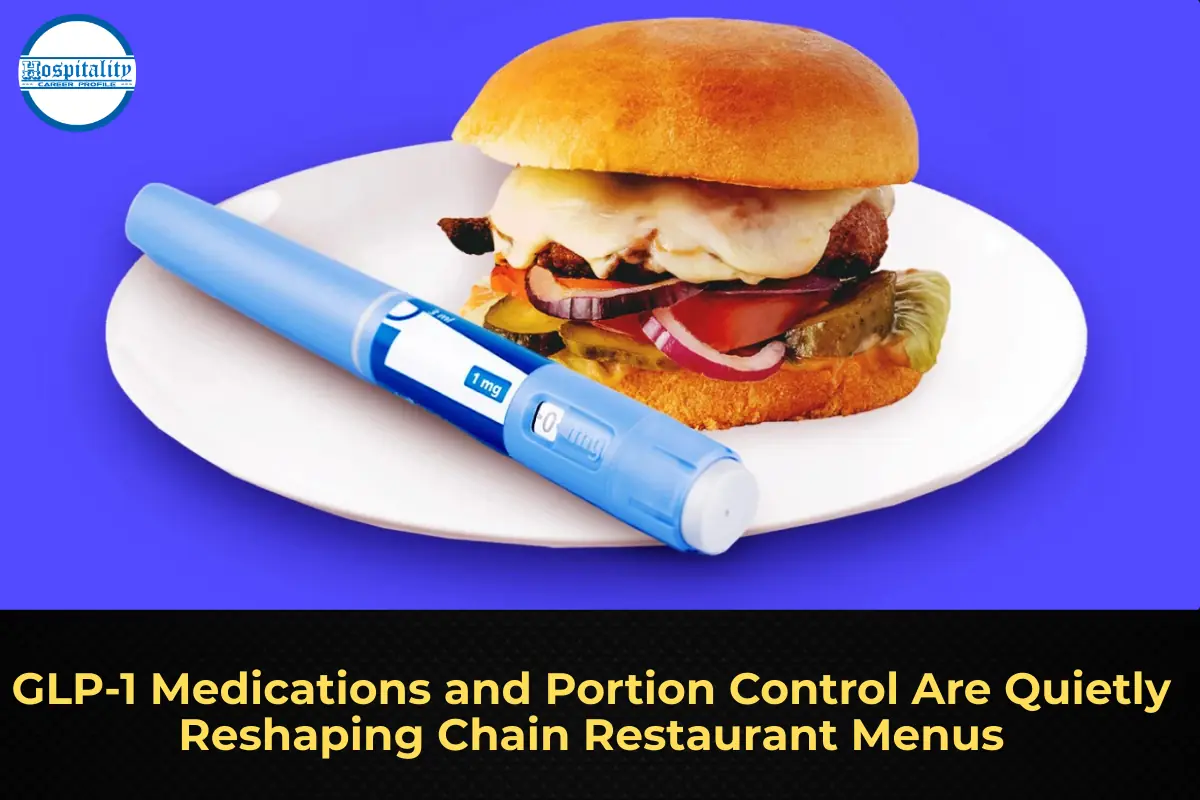
Smaller Appetites, Bigger Industry Shift
A quiet but significant shift is unfolding across the restaurant industry. The growing use of GLP-1 medications—commonly prescribed for diabetes and weight management, is influencing how and what people eat. For chain restaurants, this emerging trend is beginning to reshape menu strategies, portion sizes, and pricing structures.
Industry observers note that diners are increasingly opting for smaller portions, protein-rich meals, and lighter menu options. While not always directly attributed to medication use, the behavioral shift is becoming visible in sales patterns and menu innovation.
Portion Sizes Under the Microscope
For decades, large portion sizes were synonymous with value in the casual dining and fast-casual sectors. Today, that equation is evolving.
Many chain operators are reporting:
-
Reduced demand for oversized combo meals
-
Increased interest in half-portions and customizable plates
-
Greater appetite for shareable or snack-sized options
Rather than framing changes around calorie reduction, brands are focusing on flexibility and personalization, allowing guests to tailor their meals to appetite and dietary preferences.
Protein Takes Center Stage
Another noticeable trend is the heightened emphasis on protein-forward menu items. Grilled chicken, lean beef, seafood, plant-based proteins, and high-protein bowls are gaining traction across major chains.
Protein is increasingly positioned as:
-
A satiety driver
-
A health-conscious choice
-
A premium upgrade
Restaurants are capitalizing on this by highlighting protein content in marketing and menu design.
Financial and Operational Implications
Smaller portions and shifting ordering habits can directly impact average check sizes. For operators, this presents both challenges and opportunities.
On one hand, lower per-guest consumption may affect revenue per transaction. On the other, restaurants can:
-
Introduce premium add-ons
-
Optimize food costs with right-sized portions
-
Reduce food waste
-
Expand beverage and dessert innovation
The shift may ultimately encourage smarter menu engineering rather than simple price increases.
A Structural Change, Not a Passing Trend
Industry analysts suggest that this transformation is more structural than seasonal. As health awareness grows and medication-driven appetite changes become more widespread, restaurants may need to permanently recalibrate how they define “value.”
Instead of quantity, value could increasingly be defined by:
-
Nutritional balance
-
Customization
-
Ingredient quality
-
Experience
The Future of Chain Dining
The impact of GLP-1 medications may not be immediately visible on menu boards, but its ripple effects are influencing consumer behavior across the U.S. dining landscape.
For chain restaurants, adaptability will be key. Those that embrace portion flexibility, protein innovation, and evolving guest expectations are likely to stay ahead in a market where appetite, both literal and figurative, is changing.