Air India Flight AI2030: Breaking Security Alert Details Revealed
Air India flight AI2030 diverted to Jaipur following a Squawk 7500 emergency alert. Explore the security response and investigation into the incident.
 Rahul Roy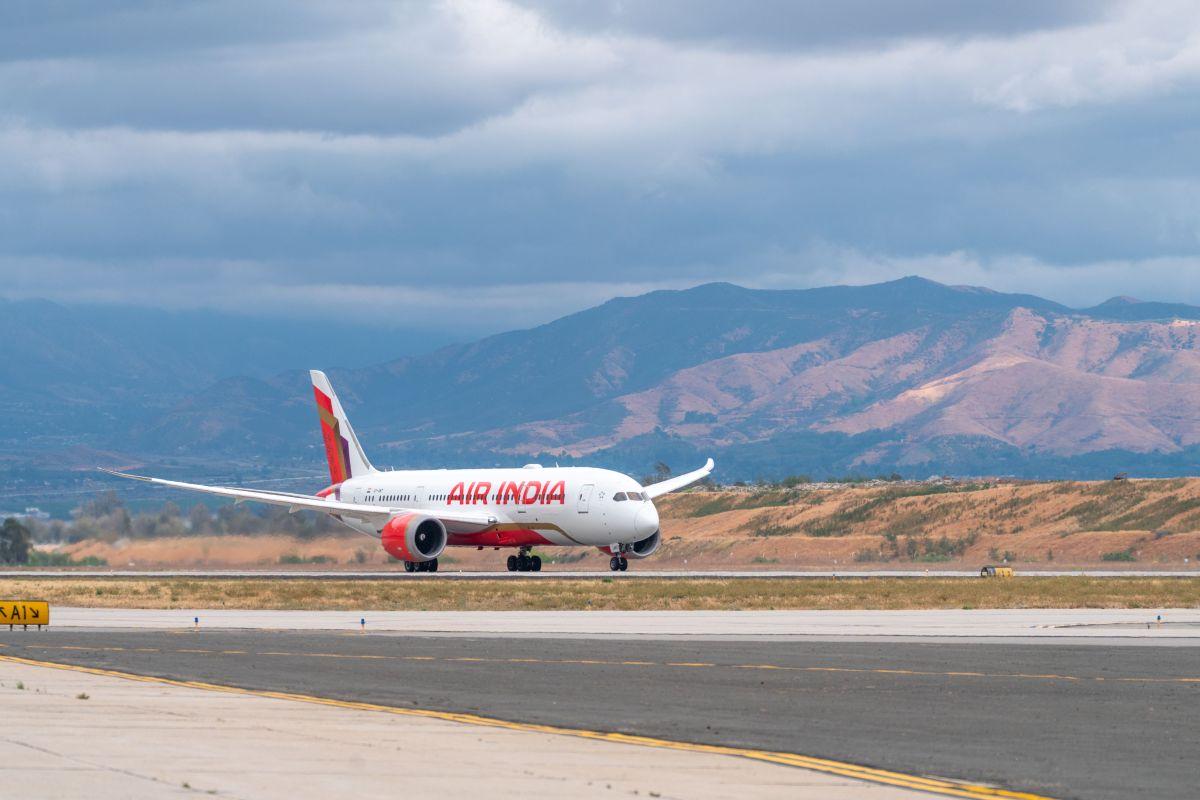
Emergency Protocol Initiated: Air India Flight AI2030 Diverts Over Security Concerns
A routine international journey faced an abrupt change on 14 October 2026 when air india flight ai2030 signaled an emergency mid-flight. Operating between Frankfurt and Delhi, the aircraft was forced to alter its path due to a sudden security alert. This flight diversion resulted in a safe landing in India, shifting the focus to an immediate investigation.
The incident involving air india flight ai2030 highlights the stringent safety measures within the global aviation industry. Upon receiving the signal, authorities acted swiftly to ensure the welfare of those on board. The following sections explore the technical details and procedures triggered by this event.
Navigating the Air India Flight AI2030 Security Incident
The boeing 787-9 dreamliner carrying 306 passengers touched down at jaipur international airport at 9:35 am local time. This arrival was the direct result of an air india security alert that necessitated a change in the original flight plan. Once on the ground, ground crews directed the aircraft to a remote isolation bay.
This specialized parking area allowed security teams to inspect the aircraft safely. Officials also conducted thorough screenings of all passengers and their personal belongings. While the situation caused significant disruption to air india flight ai2030, all individuals aboard disembarked without injury.
Technical Triggers and the Squawk 7500 Protocol
The alert was activated by the transmission of squawk 7500, a specific transponder code used in aviation. This code is internationally reserved to indicate unlawful interference or a potential hijacking. When a pilot enters this sequence, it alerts air traffic control to treat the situation with the highest level of urgency.
The following table summarizes the purpose of this specific transponder setting
- Code: 7500
- Meaning: Unlawful interference
- Significance: Triggers immediate, high-priority security protocols and air traffic control coordination
The use of this code during the operation of air india flight ai2030 mandated that authorities treat the aircraft as a security priority. Investigators are currently working to determine if the transmission was a genuine threat or an accidental error. Understanding the origin of this signal is critical for the ongoing inquiry into air india flight ai2030.
Evaluating the Impact of the Diversion
The primary goal of the response was to maintain passenger safety while evaluating potential risks. By diverting air india flight ai2030 to Jaipur, officials could isolate the aircraft away from busy terminals. This decision minimized risks to the wider airport infrastructure and other travellers.
Aviation experts note that a security alert does not automatically confirm a criminal act. The event remains under active investigation to identify whether technical malfunctions or human error played a role. Until findings are finalized, the incident serves as a reminder of the complex safety layers protecting commercial aviation.
The safe resolution of the emergency remains the most significant outcome of the day. As investigations continue, the aviation community awaits further clarity regarding the status of air india flight ai2030. This event underscores the necessity of strict, pre-planned responses when security protocols are triggered at altitude.
More updates
Follow the latest News and related coverage.