East Africa Rail Expansion: New 2026 Routes Boost Regional Tourism
Discover how Tanzania and Kenya are leading an east africa rail expansion in 2026. New routes and massive investments are revolutionizing African travel.
 Rahul Roy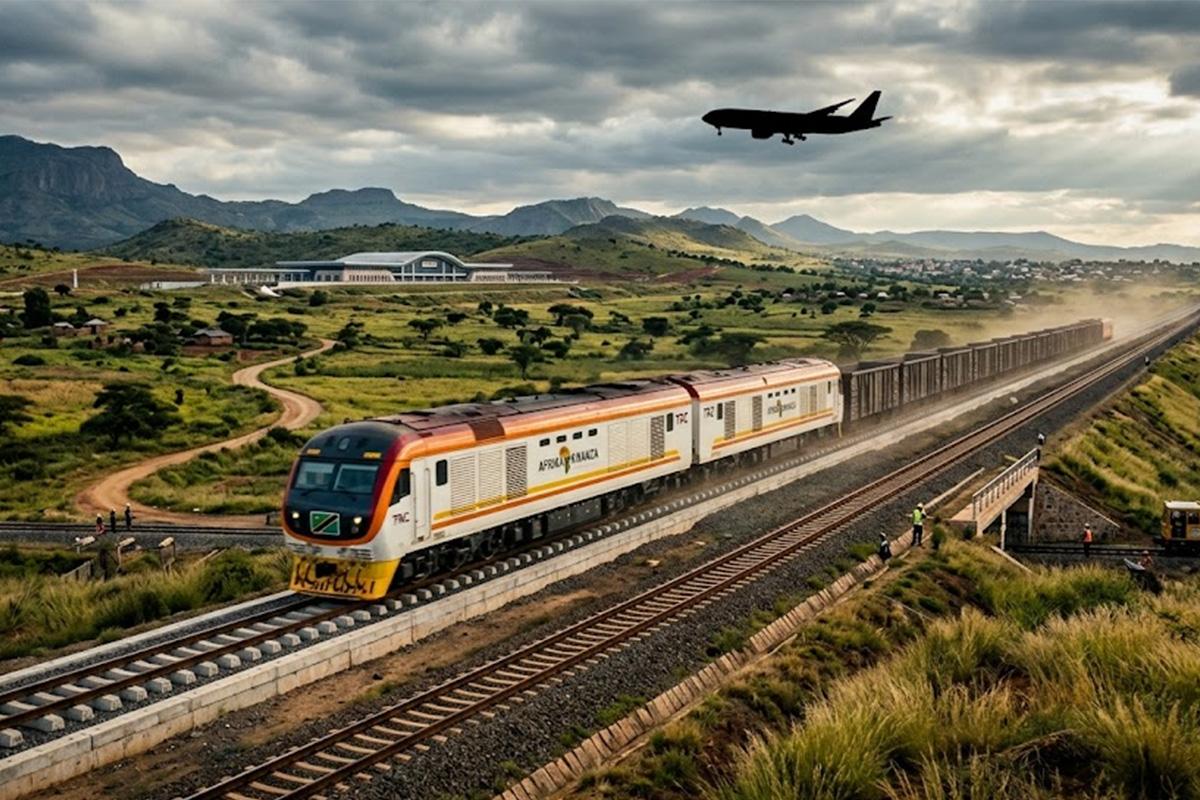
Tanzania Aligns with Kenya and More in Expanding Rail Travel in Africa as New Routes and Major Investments Transform Tourism in 2026
Latest on East Africa Rail Expansion: Rail travel across the continent is undergoing a massive structural revolution as nations prioritize the east africa rail expansion. Governments are now converting isolated transport corridors into a unified, high-capacity network. This systemic shift is set to redefine regional mobility and tourism throughout 2026.
Strategic Progress in East Africa Rail Expansion
The modernization of transport infrastructure is driven by heavy state-backed funding and international support. By replacing aging colonial-era networks, these projects facilitate seamless passenger movement across borders. This east africa rail expansion serves as the primary engine for long-term economic transformation.
A high-speed standard gauge railway now sits at the heart of this development. These tracks drastically reduce freight transit costs while streamlining logistics. Travelers can expect improved access to major tourist hubs as the east africa rail expansion gains momentum.
Enhancing Regional Rail Connectivity
For over a century, legacy networks were designed only to extract raw materials. These older lines failed to support modern passenger needs or intra-regional trade. Today, the focus has shifted toward regional rail connectivity to boost commerce.
The tanzania kenya railway vision represents a critical step toward physical alignment. By coordinating technical standards, nations are creating a cohesive grid. Key benefits of this east africa rail expansion include:
- Faster transit times between coastal ports and interior nations.
- Reduced reliance on road transport for heavy cargo.
- Increased accessibility for international tourists exploring the region.
- Better integration for landlocked nations like Rwanda and Uganda.
Investment and the East African Community Transport
Sovereign nations are working within the east african community transport framework to harmonize their goals. This collaboration ensures that national projects function as part of a larger, unified whole. Such african infrastructure investment is vital for maintaining momentum through 2026.
Tanzania continues to build an electrified network extending toward its western borders. Meanwhile, Kenya remains committed to expanding its existing corridors toward the interior. The ongoing east africa rail expansion proves that cooperation is essential for regional growth.
Integrated corridors provide the foundation for sustainable intra-African commerce. By linking the Northern and Central corridors, the region is becoming a more competitive global hub. Future phases of the east africa rail expansion will likely attract even more international capital.
Ultimately, this transition represents a broader move toward economic resilience. Travelers and businesses alike stand to benefit from these modern rail links. The success of these projects ensures that rail remains a priority for the future of the continent.
More updates
Follow the latest News and related coverage.