Emirates Delays First 10 Boeing 777X Deliveries
Emirates will not accept its first 10 Boeing 777-9 aircraft, citing years of design changes caused by ongoing 777X certification delays.
 Jishan Khan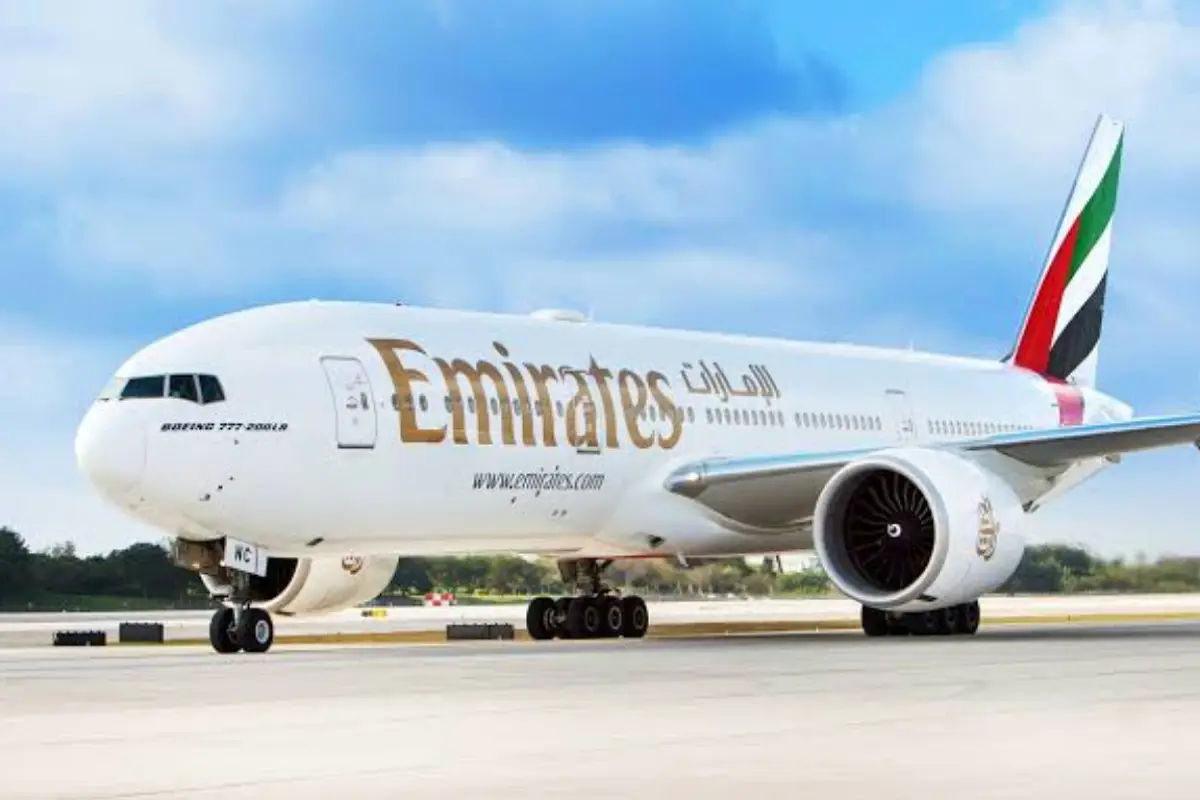
Emirates Just Rejected 10 Boeing 777Xs and Told Boeing to Sell Them to Heinz, and One of Them Has Already Been Scrapped
Emirates President Sir Tim Clark confirmed at the Farnborough International Airshow on July 21, 2026 that the airline will not accept the first 10 Boeing 777-9s built for it, citing design changes so extensive that the early-build aircraft bear diminishing resemblance to what will eventually be certified. "We're not taking that batch and that's it. As far as we're concerned, what they do with them is up to them," Clark told The Telegraph, before adding: "Heinz would be interested, baked bean cans."
One of those ten aircraft has already been scrapped. It never carried a single passenger.
The Jet That Sat for Six Years Then Got Disassembled
WH007, the seventh 777-9 built, rolled out of Boeing's Everett factory in the summer of 2019 already painted in Emirates livery with folding wingtips fitted, sat at Paine Field for six years while Boeing towed it around to make space for other unfinished aircraft. In late summer 2025, Boeing concluded the economics of reworking it did not make sense and disassembled it quietly.
A $440 million aircraft, never flown, scrapped at a field outside Seattle. That sentence captures what seven years of certification delay actually costs in physical terms.
Clark noted he was aboard one of the early 777-9s in July 2019, fully equipped with cabin and all systems, with delivery expected in April 2020. He is still waiting. The aircraft he walked through six years ago is now a pile of aluminium. The programme that was supposed to begin transforming Emirates' fleet in 2020 has not delivered a single jet to a paying customer.
What Went Wrong With the Early-Build Aircraft
The 777X programme's delay is not a single failure, it is a compounding sequence of design discoveries, regulatory responses and structural modifications that each individually seemed manageable and collectively produced an outcome where the aircraft built in 2019 are too different from the aircraft that will eventually be certified to bring them to standard economically.
A static-test failure in September 2019, where a 777X airframe undergoing ground stress testing failed prematurely, required structural redesign that propagated changes through dozens of systems. Each change to the early builds requires retrofit work that grows more expensive as the gap between the original specification and the current certification standard widens. At some point Boeing ran the numbers on the first ten aircraft and concluded the rework cost was not recoverable, which is why WH007 was disassembled rather than modified.
The FAA now expects 777X certification by early 2027, with Clark stating Emirates expects its first aircraft in Q2 2027, though he acknowledged Boeing is simultaneously certifying the 737 MAX 7 and 737 MAX 10, which creates scheduling pressure on the same regulatory resource.
The Financial Reality of Seven Years of Stranded Inventory
The ten rejected aircraft represent a problem that goes beyond Emirates' displeasure. Boeing built them, stored them, attempted to modify them, discovered the economics of modification did not work, and is now looking for any buyer willing to take pre-certification jets that its largest customer has publicly and definitively refused. Boeing has reportedly been trying to find another buyer for the early-build aircraft, a search that Clark's Farnborough remarks just made significantly more difficult. No airline wants to be publicly seen acquiring jets that Emirates called baked bean cans.
Boeing's total 777X-related costs since 2019, storage, modifications, scrapped airframes, customer compensation, programme delays, have never been disclosed in their entirety. What is visible is the pattern: every year of certification delay adds storage costs on completed airframes, labour costs on rework programmes, and opportunity costs on production slots that could have been used for aircraft customers are actually ready to receive.
The 777X will eventually fly commercially. Emirates has 270 of them on order at $440 million apiece and needs them for its fleet renewal, the airline cannot simply walk away from a programme it is this deeply committed to. But the first ten aircraft that were supposed to launch the most anticipated new jet in commercial aviation history will instead end their lives as scrap metal and press quotes. That is what Boeing's seven-year delay actually produced