FAA Flight Restrictions: Top 4 Airports Facing Summer 2027 Limits
Major US hubs face summer 2027 shifts as FAA flight restrictions impact capacity at JFK, Newark, O’Hare, and SFO. See how these limits affect travel.
 Rahul Roy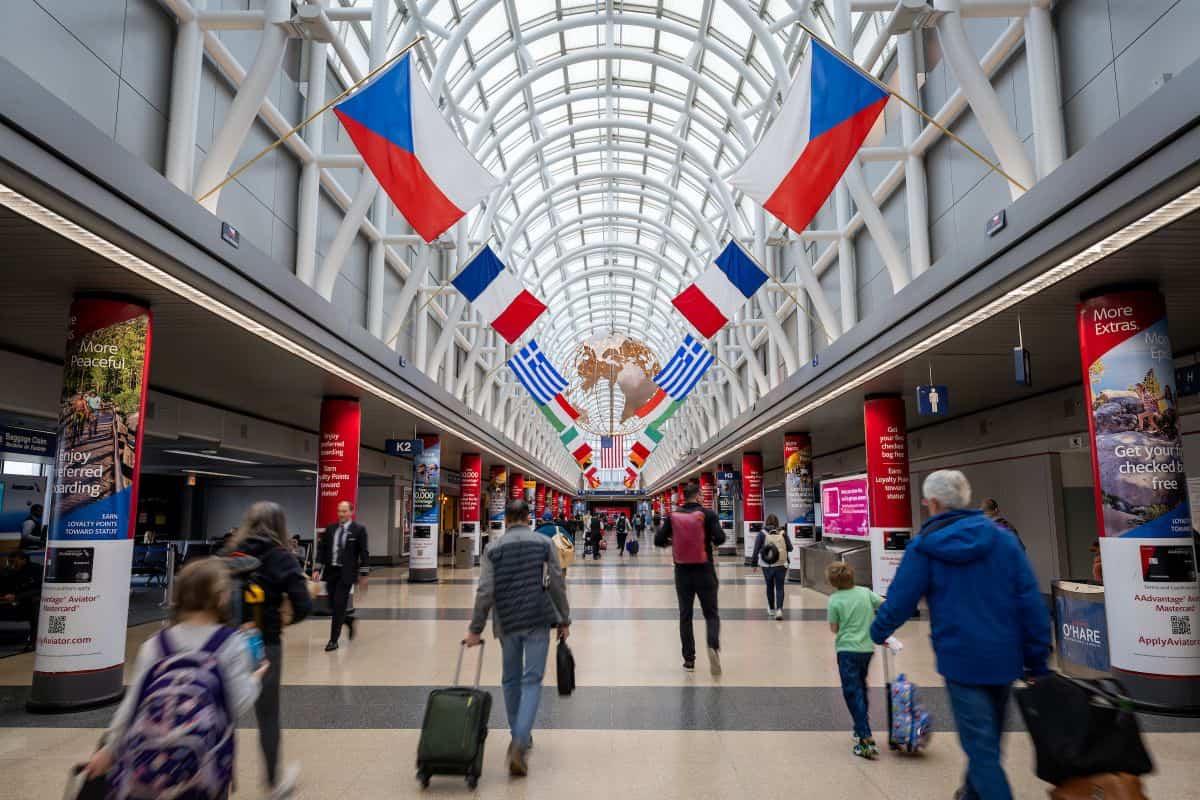
Latest on Faa Flight Restrictions: Newark Airport Runs Parallel to JFK as Chicago O’Hare and San Francisco Confront FAA Restrictions on Summer 2027 Flight Capacity, Routes and Seats The aviation sector is bracing for a complex scheduling cycle where faa flight restrictions shape the operational landscape for major U.S. hubs. Airlines must align their growth plans with the limitations at Newark, JFK, Chicago O’Hare, and San Francisco. These hubs will face significant pressure during the summer 2027 airport capacity window.
Managing FAA Flight Restrictions Across Key Hubs
The Federal Aviation Administration maintains strict oversight to ensure that airport infrastructure can handle proposed flight volumes. While the agency uses different regulatory tiers, the goal remains the stabilization of national air traffic. Officials must balance carrier desires against runway limitations and controller availability. The impact of these rules is evident in how airlines approach their long-term route planning.
Effective management of newark airport flight limits remains a priority for the agency through October 2027. This facility maintains a cap of 36 arrivals and 36 departures per hour. These measures are designed to prevent systemic delays that could ripple across the national airspace. Airlines must adapt to these constraints when finalizing their service maps.
Comparing Operational Frameworks and Constraints
Different regulatory categories dictate how these four airports manage their daily throughput. The FAA distinguishes between formal slot systems and general schedule facilitation. Understanding these distinctions is critical for stakeholders monitoring the evolution of capacity controls in major markets.
- JFK, New York: Utilizes Level 3 jfk slot coordination to manage scarce peak-period authorizations.
- Newark, New Jersey: Operates under Level 2 facilitation with a focus on hourly movement caps.
- Chicago O’Hare: Faces chicago o'hare scheduling challenges linked to ongoing construction and operational reliability.
- San Francisco: Requires careful monitoring of san francisco airport constraints regarding hourly runway capacity.
These frameworks ensure that operational limits are applied consistently based on local infrastructure. Every airline must submit their proposed schedules by October 16, 2026, to initiate the review process. This submission does not guarantee approval for all requested routes or seat counts. Regulatory review remains a dynamic process that evolves as capacity data becomes available.
Balancing Infrastructure and Airline Ambitions
The interplay between runway limits and passenger demand creates a difficult balancing act for planners. Carriers often hope to increase seat counts by utilizing larger aircraft, yet this does not bypass the need for precise timing. Regulatory limits function as a hard barrier even when an airline has the fleet capacity to expand. Consequently, the industry must prioritize operational reliability over aggressive network expansion.
The formal review process ensures that air traffic volume does not compromise safety or efficiency at these four critical gateways. By limiting the number of movements during peak windows, the agency protects the broader network from congestion. Stakeholders must accept that these caps will continue to define the limits of growth for the foreseeable future. Strategic planning is essential to ensure that the limited available capacity is utilized effectively during the busy summer months.
In conclusion, the balance of power between airline ambition and infrastructure capacity remains firmly in the hands of federal regulators. As the 2027 season approaches, all carriers must respect the governing rules at these high-demand airports. Success will ultimately depend on the ability to operate reliably within these strictly defined operational windows.
More updates
Follow the latest News and related coverage.