Japan’s StarFlyer to Resume Scheduled International Flights in Late Third Quarter of 2026
Japan’s StarFlyer plans to resume scheduled international operations in late Q3 2026, marking a strategic return to global markets after a prolonged pause.
 Jishan Khan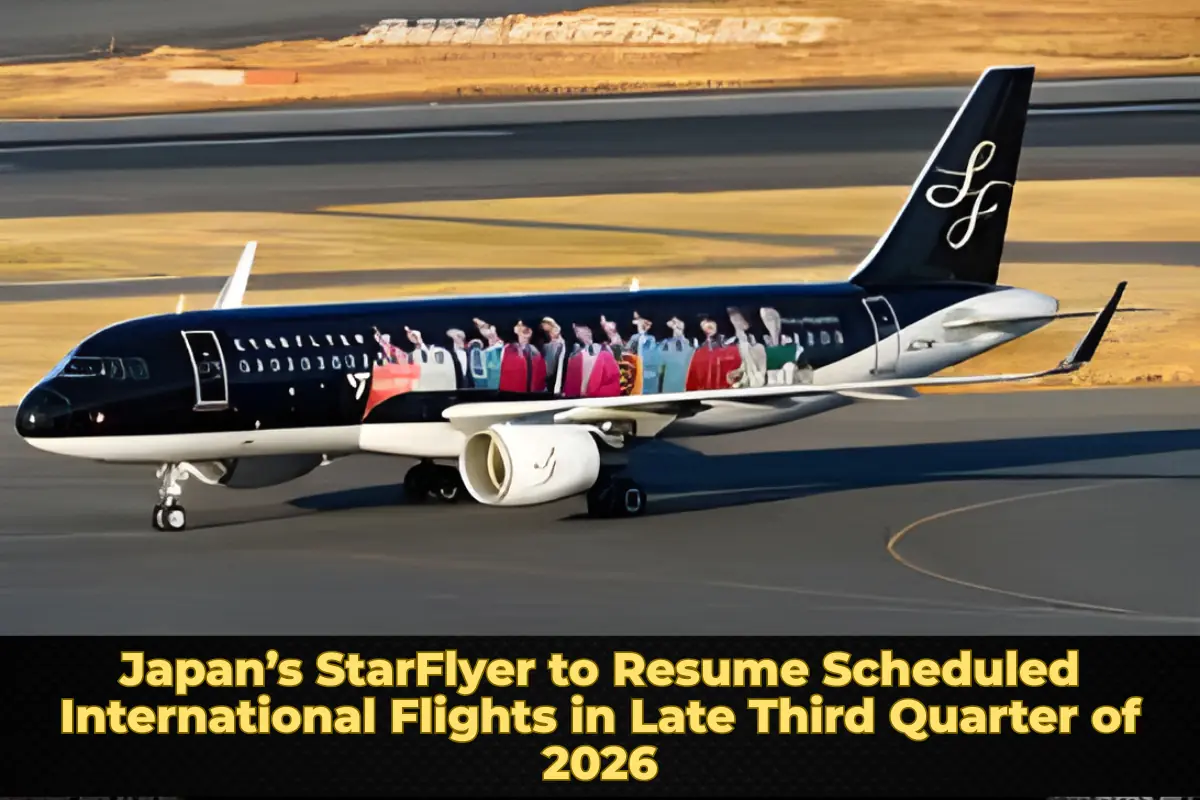
Japanese carrier StarFlyer has announced plans to resume its scheduled international flight operations in the latter part of the third quarter of 2026, signaling a significant step in its post-pandemic recovery strategy. The move comes as the airline seeks to re-enter global markets, rebuild its international network, and capitalize on improving travel demand.
The airline, which had suspended its international services in previous years due to operational and market challenges, is now preparing to relaunch routes as part of a broader effort to expand beyond its domestic stronghold. The decision reflects renewed confidence in international travel demand and a strategic push to diversify revenue streams.
Return to International Markets
StarFlyer’s planned return to international operations marks a pivotal development for the airline, which has primarily focused on domestic routes in recent years. By reinstating cross-border services, the carrier aims to tap into growing demand for international travel from Japan and strengthen its competitive position in the regional aviation market.
The airline has not yet disclosed specific routes or destinations, but industry observers expect initial services to focus on key Asian markets where demand is recovering steadily. These routes are likely to include high-traffic business and leisure destinations that align with StarFlyer’s operational capabilities.
The resumption of international flights is also expected to enhance connectivity for passengers and provide additional travel options from Japan, particularly for those seeking premium services on short- to medium-haul routes.
Strategic Timing and Market Conditions
The timing of the planned relaunch in late Q3 2026 suggests that StarFlyer is aligning its strategy with anticipated peaks in travel demand. The third quarter typically coincides with strong seasonal travel, including summer holidays and increased business activity, making it an opportune period for airlines to reintroduce services.
Global aviation trends indicate a steady recovery in international travel, supported by easing restrictions, improved passenger confidence, and pent-up demand. Airlines across Asia have been gradually restoring international routes, and StarFlyer’s move is consistent with this broader industry trend.
However, the operating environment remains complex, with airlines continuing to navigate challenges such as fluctuating fuel prices, operational costs, and competitive pressures. StarFlyer’s cautious approach to resuming international services reflects the need to balance growth with financial sustainability.
Operational Preparations
In preparation for the resumption of international flights, StarFlyer is expected to undertake a range of operational measures, including crew training, regulatory compliance, and coordination with airport authorities. Ensuring readiness across these areas is critical to delivering reliable and efficient services.
The airline may also review its fleet utilization strategy to support international operations. StarFlyer operates a fleet primarily composed of narrowbody aircraft, which are well-suited for regional international routes within Asia.
Operational readiness will play a key role in determining the success of the relaunch, as airlines must maintain high standards of safety, efficiency, and customer service.
Competitive Landscape in Japan
The Japanese aviation market is highly competitive, with both full-service and low-cost carriers vying for market share in domestic and international segments. StarFlyer’s return to international operations will place it in direct competition with established carriers that have already resumed or expanded their global networks.
To differentiate itself, StarFlyer has traditionally focused on offering a premium experience, including enhanced seating, onboard services, and customer-focused amenities. This positioning may help the airline attract both business and leisure travelers seeking higher levels of comfort.
Maintaining a balance between service quality and cost efficiency will be essential as the airline competes in a dynamic market environment.
Financial and Strategic Implications
Re-entering international markets is expected to have important financial implications for StarFlyer. International routes often provide higher revenue potential compared with domestic services, particularly when targeting business travelers and high-demand corridors.
At the same time, international operations typically involve higher costs, including fuel, airport fees, and regulatory requirements. The airline’s ability to manage these costs effectively will be critical to ensuring profitability.
The decision to resume international flights also reflects a broader strategic shift aimed at diversifying revenue streams and reducing reliance on domestic travel, which can be subject to seasonal fluctuations.
Industry Context and Recovery Trends
The global aviation industry has been undergoing a gradual recovery, with airlines restoring capacity and expanding networks in response to increasing demand. In Asia, the pace of recovery has varied by market, but overall trends point to steady growth in international travel.
StarFlyer’s move aligns with these trends, highlighting the importance of international operations in driving growth and competitiveness. As more airlines reintroduce routes, competition is expected to intensify, particularly on popular regional corridors.
Airlines are also focusing on operational efficiency and sustainability, leveraging modern aircraft and optimized networks to reduce costs and environmental impact.
Future Outlook for StarFlyer
Looking ahead, StarFlyer is expected to gradually expand its international network following the initial relaunch. The airline may explore additional destinations and increase frequencies based on demand and operational performance.
The success of the international operations will depend on several factors, including market demand, competitive dynamics, and the airline’s ability to deliver a consistent and high-quality customer experience.
Industry analysts suggest that a phased approach to expansion will allow the airline to manage risks while building a sustainable presence in international markets.
Current Status
StarFlyer is preparing to resume scheduled international flight operations in late Q3 2026 as part of its strategy to re-enter global markets and expand beyond its domestic network.