Blackpool Asylum Hotels Closure Marks Wider UK Shutdown
Blackpool asylum hotels closure includes the Grand Metropole as the UK shuts 13 more sites, part of a wider plan to end asylum hotel use nationwide.
 RUKAIYA KADIWAL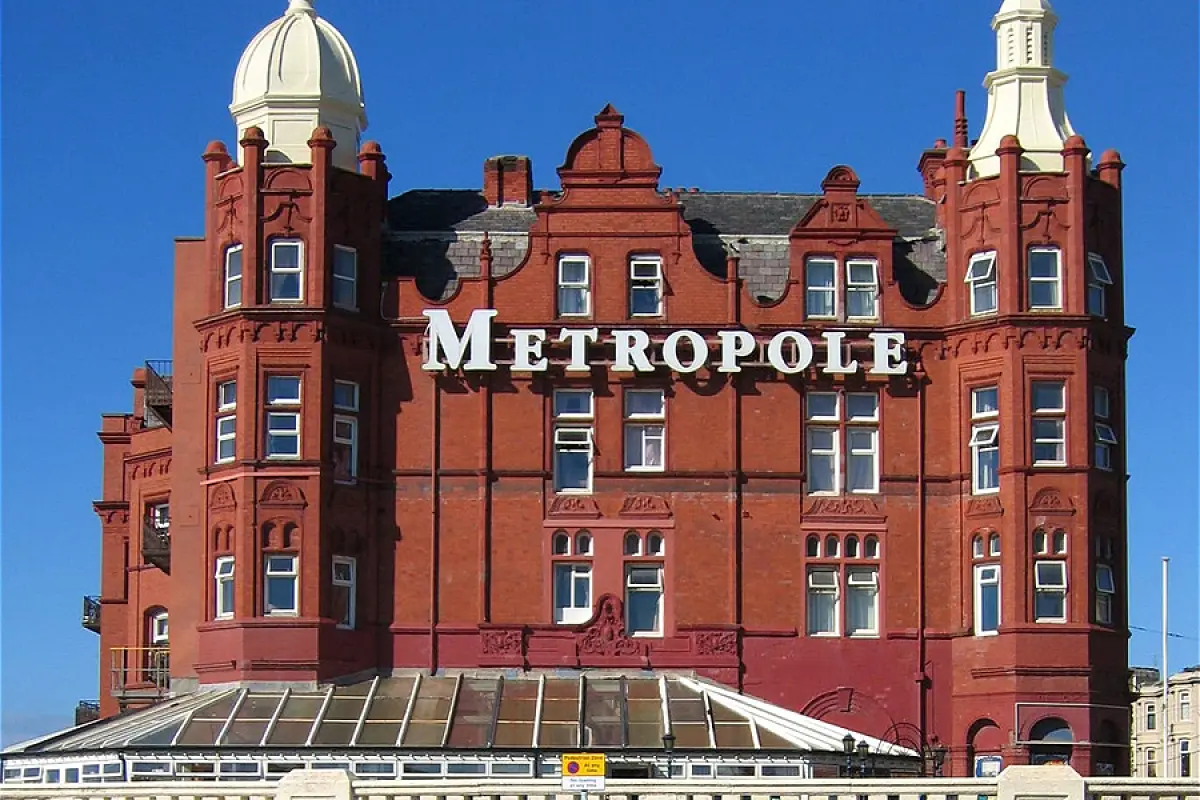
The Grand Metropole Hotel rises above Blackpool Promenade the way it has for well over a century. Its red brick towers and twin white domes have watched holidaymakers pass beneath them for generations. This week, the building sits quiet in a different way. It is one of thirteen sites now shut as part of the Blackpool asylum hotels closure announced by the government.
The Grand Metropole Hotel Blackpool closure marks the end of one chapter for a property that locals consider among the town's two oldest hotels. For years it operated as accommodation for asylum seekers awaiting decisions on their cases. Now, as part of a broader shift in policy, that use has ended.
What Changed and Why
Andy Burnham's government continues relocating individuals housed in hotels to alternative accommodation. Ministers are increasing reliance on more basic sites, including former military barracks, with the stated aim of ending asylum hotel use entirely before the next election.
The Home Office expects these thirteen closures to save taxpayers 51 million pounds. That brings the overall number of asylum hotels below 160, a significant drop from a peak of nearly 400 under the previous Conservative government. The list also includes the grade II listed Grosvenor Hotel Stratford-upon-Avon, another historic property caught up in this wider transition.
The Government's Position
Immigration minister Anna Turley addressed the closures directly. For too long, communities have watched hotels at the centre of their towns and cities become symbols of a broken asylum system, she said. We are turning that around by ending the use of asylum hotels for good and moving people into larger, basic accommodation like former military sites.
Turley added that the reforms are intended to overhaul the immigration system, restoring control at the border and fairness to the wider process. This statement reflects the government's broader messaging strategy around asylum hotel closures 2026, positioning the shift as both fiscally responsible and politically necessary.
Where People Will Go Instead
Under consideration is housing around 3,750 asylum seekers across former military bases at Barnham in Suffolk, Bicester in Oxfordshire, and Linton-on-Ouse in North Yorkshire. The government also seeks to prolong site usage at Crowborough in East Sussex until 2030 and Wethersfield in Essex beyond 2027, despite local opposition in both areas.
This approach to UK asylum accommodation represents a structural change rather than a simple relocation. Moving people into larger, shared facilities changes the nature of daily life for those awaiting decisions, and it changes how local communities experience the presence of asylum accommodation nearby.
A More Complicated Picture
Not everyone views the shift toward military sites as a complete solution. The Refugee Council's Imran Hussain offered a more measured assessment. Hotels often are isolating for refugees, making it harder to access health and advice services, he said. They are also costly and have become magnets for abuse and the far right.
Hussain went further, cautioning against viewing the closures alone as progress. An approach that is focused on moving people from hotels to military sites will only go so far, especially when poor quality decision making by the Home Office is keeping a large number of people reliant on asylum support and accommodation for far longer than is necessary. His comment points to a deeper structural issue that closures alone may not resolve.
The Weight of Recent History
The practice of housing asylum seekers in hotels sparked widespread protests outside various locations last year. Labour has already shut several high-profile sites, including the Bell Hotel in Epping, Essex, where demonstrations broke out after a resident sexually assaulted a fourteen year old girl. The individual involved was later convicted, briefly and mistakenly released from custody, re-apprehended, and deported. That episode remains part of the backdrop against which this latest round of 13 asylum hotels closed is being understood by the public.
What This Means Going Forward
The Home Office asylum accommodation strategy now points firmly toward consolidation into fewer, larger sites rather than dispersed hotels across town centres. Whether this genuinely resolves community tension or simply relocates it to new areas remains an open question, one that will likely shape debate around asylum policy well beyond this latest announcement.
Standing before the Grand Metropole today, its grand facade catching the afternoon light along the promenade, it is difficult not to notice the layered history contained within those walls. A hotel built for one era of seaside leisure, repurposed for another era's policy crisis, now standing empty again as the country decides what comes next. The Blackpool asylum hotels closure is, in the end, only one chapter in a much longer and unresolved story.
For more information, visit the official Independent website.
For related hospitality news, read about JAG Hotel's luxury audio experience in St Johns.