t2 Experiences Ummrao Saaj, Marriott Group’s First Modern Indian Restaurant in the Country
t2 experiences Ummrao Saaj, Marriott Group’s first Modern Indian restaurant in the country, bringing refined regional flavours, heritage recipes, and contemporary luxury dining together under one roof.
 Prajakta Sanjay Warwadkar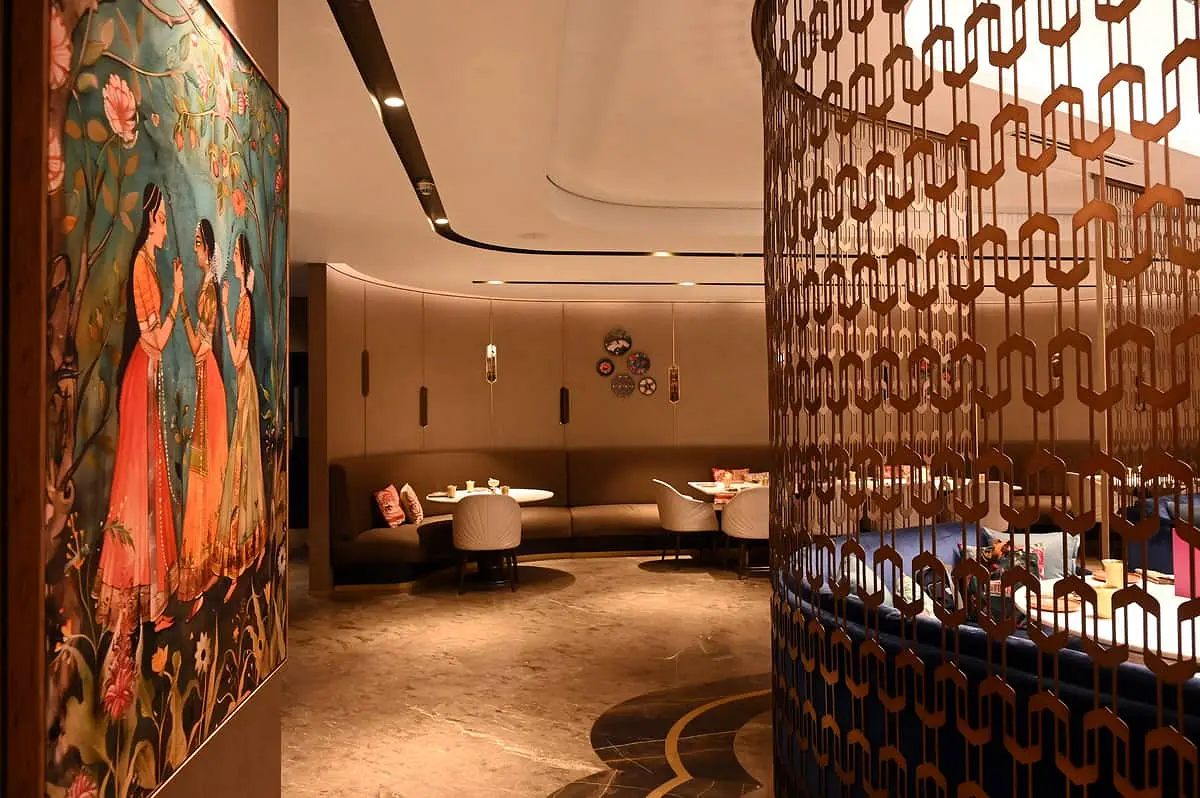
t2 Experiences Ummrao Saaj, Marriott Group’s First Modern Indian Restaurant in the Country
Talk in the kitchens is getting louder, hotel groups are no longer playing safe with buffet lines. They’re betting big on sharp, story-led dining rooms. And t2 experiences Ummrao Saaj, Marriott Group’s first Modern Indian restaurant in the country, right in the middle of that shift.
This isn’t just another “modern Indian” label slapped on a menu. Ummrao Saaj leans hard into regional flavour, tight plating, and a clear narrative. It’s less about showing off technique, more about putting India’s food story back on the plate, cleaned up, but not watered down.
Across India, luxury diners are changing the rules. They want mood, memory, and meaning with their meal. Marriott Group’s first Modern Indian restaurant in the country lands exactly at that intersection.
And it signals something bigger. Hotels are now building restaurants that can stand on their own feet, not just serve the room keys upstairs.
Modern Indian Dining Takes Centre Stage at Ummrao Saaj
A Contemporary Interpretation of Indian Culinary Traditions
Ummrao Saaj doesn’t mess with the soul of the food. It trims the excess instead.
The kitchen pulls from multiple regional traditions but keeps flavours grounded. You’ll recognise what’s on the plate. But the finish is tighter. Cleaner. More deliberate.
There’s no overthinking here. No unnecessary drama.
And that’s exactly where Modern Indian dining is heading in metro cities, familiar flavours, just sharpened for today’s diner.
Regional Ingredients Shape the Dining Experience
Ingredients are doing the heavy lifting here.
Seasonal produce. Indigenous spices. Regional techniques. The menu doesn’t lean only on North Indian crowd-pullers, it spreads wider, pulling in influences from across India.
That gives the restaurant range. And more importantly, it gives diners something to discover.
Rich gravies sit next to lighter plates. Smoke, fermentation, and spice all share space without fighting each other.
Why Ummrao Saaj Reflects the Evolution of Luxury Dining in India
Consumers Now Seek Experiences, Not Just Meals
Fine dining isn’t just about food anymore. That shift is done.
Guests now walk in expecting a full experience, lighting, pacing, service, storytelling. Ummrao Saaj is clearly built with that mindset.
Every detail feels planned. Not loud. Just controlled.
And younger luxury diners? They’re driving this. They want roots on the plate, but they also want polish.
Luxury Hotel Restaurants Are Becoming Standalone Destinations
Hotel restaurants used to rely on in-house guests.
Not anymore.
Now they’re chasing city traffic. Locals. Food crowds. Social media buzz.
Ummrao Saaj fits that play. Marriott isn’t treating it like an add-on, it’s building it as a destination.
And that’s the larger shift: strong restaurant concepts are now pulling revenue, not just supporting rooms.
Interior Design and Ambience Define the Ummrao Saaj Experience
Traditional Influences Meet Contemporary Luxury
The room does a lot of the talking.
Warm lighting. Clean textures. Controlled design. No clutter.
It nods to Indian aesthetics without turning into a theme park.
That restraint matters. Today’s luxury spaces win by holding back, not piling on.
Hospitality Experience Extends Beyond the Plate
Service is part of the product now.
Staff interaction, menu guidance, pacing, all of it shapes the experience. Ummrao Saaj leans into that.
Because good food alone doesn’t close the loop anymore.
The story has to carry through from kitchen to table.
How Modern Indian Restaurants Are Reshaping the Restaurant Industry
The Growing Popularity of Heritage Cuisine
Indian diners are circling back to their own food.
Old recipes. Regional plates. Ingredients that were once sidelined, they’re back.
Modern Indian restaurants are pushing that movement forward. Not by copying global fine dining, but by tightening local identity.
And diners are responding.
Hospitality Brands Continue Expanding Culinary Concepts
Hotel groups aren’t playing it safe anymore.
They’re building sharper, more focused restaurant concepts.
Marriott Group’s first Modern Indian restaurant in the country shows that shift clearly, moving beyond buffets into high-identity dining rooms.
It’s a smart play. Strong concepts bring both travellers and locals through the door.
Indian Culinary Heritage Continues Gaining Global Attention
Indian Cuisine Is Becoming More Globally Influential
Indian food is no longer boxed into clichés.
It’s showing up in global conversations with more depth. More variety. More respect.
Modern Indian restaurants are driving that change by presenting regional cuisine in ways global diners can connect with.
And back home, diners are getting more curious about their own food diversity.
Social Media Visibility Shapes Restaurant Success
Instagram is the new front door.
Plates, interiors, and storytelling now travel faster than ads.
Restaurants like Ummrao Saaj are built with that in mind, visually sharp, but not forced.
Because visibility today directly impacts bookings.
What Ummrao Saaj Means for the Future of Premium Dining
Experiential Hospitality Will Continue Expanding
This launch isn’t a one-off.
It’s part of a larger shift in premium hospitality.
Diners want more, not just food, but feeling. Memory. Identity.
Restaurants that deliver that mix will stay ahead.
A New Chapter for Modern Indian Restaurants
There’s growing confidence in Indian cuisine, and it shows.
Hotels and chefs are no longer leaning on international formats to validate their menus.
They’re backing Indian food as the main act.
And with Ummrao Saaj, that direction is clear: rooted flavours, tighter execution, and a dining room built to tell a story.
That’s where the market is heading. And it’s picking up speed.
More information about Indian cuisine and its regional diversity can be explored through Indian cuisine history and traditions.
Businesses monitoring hospitality expansion trends can also explore restaurant industry growth trends for 2026 to understand how regional food concepts are shaping dining markets.