UNITE HERE Local 40 Sues Vancouver Over Glitchy Public Hearings That Left Hospitality Workers On Mute
UNITE HERE Local 40 workers are suing Vancouver over flawed rezoning hearings. They claim 2,400 properties are at stake, yet they were left on mute.
 Ahmed Mainul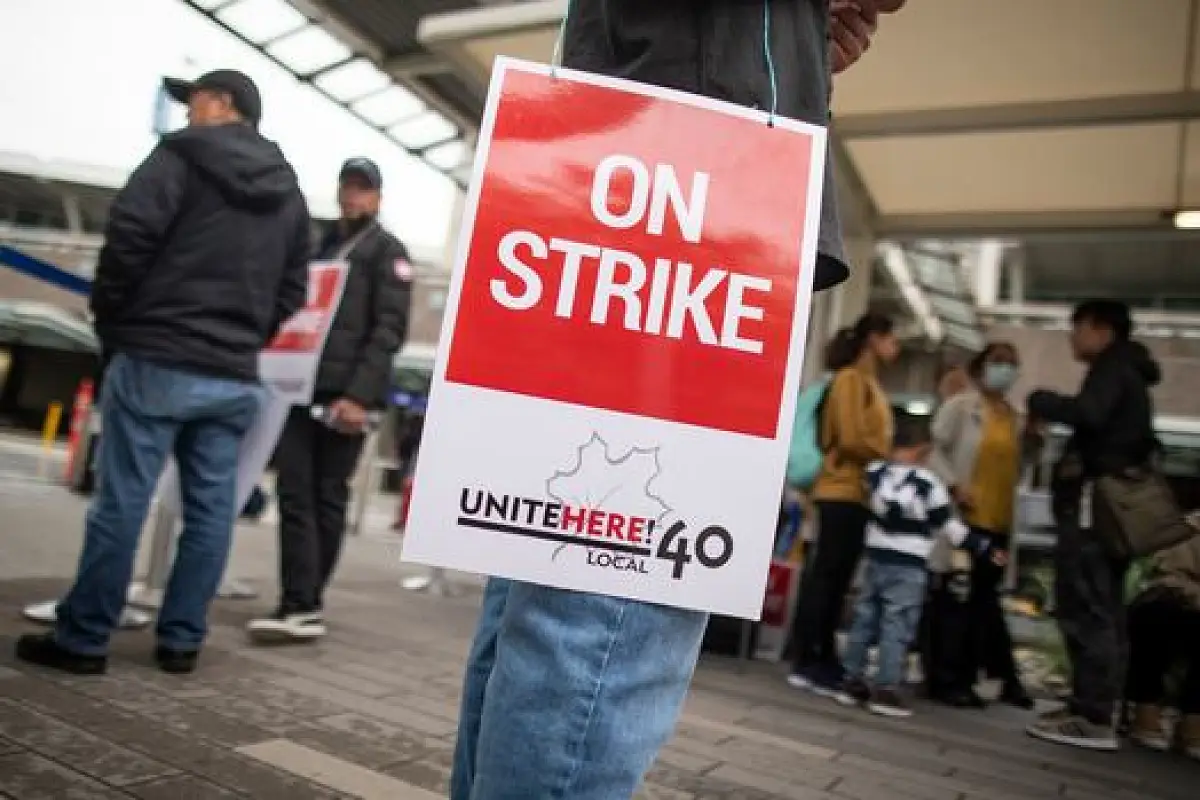
VANCOUVER — Four hospitality workers have taken the City of Vancouver to court, filing a judicial review on June 4, 2026, to stop two major rezoning decisions they claim were pushed through without letting the public actually speak.
The petition, filed in the Supreme Court of British Columbia, takes aim at the city’s citywide “Fast Track” rezoning plan, which impacts roughly 2,400 commercial properties, and the massive 888 Cambie Street project—a development slated to pack in a 246-room hotel alongside market rentals.
The workers, all members of UNITE HERE Local 40, aren’t just annoyed. They’re arguing that the city’s procedural mess during the May hearings essentially locked them out of the democratic process.
The "Muted" Experience
Look, sitting through a city council meeting is already a test of patience, but for these workers, it turned into a total disaster. The court documents allege that last-minute agenda flipping, notification errors, and a broken remote participation system turned the hearings into a chaotic scramble.
The truth is, some of these folks stayed glued to their screens for hours waiting for their names to be called, only to be left on "mute" while the council moved on.
Here’s the thing: it’s hard enough for a hotel worker to carve out time to engage with local government. When the system itself is rigged to ignore you, it’s not just a glitch—it’s a slap in the face.
Why this matters
Zailda Chan, the president of UNITE HERE Local 40, didn’t mince words. She pointed out that many of these members moved here believing that hard work and civic participation actually get you a seat at the table.
“Many of them came to Canada believing that if you work hard, follow the rules, and participate in your community, your voice matters,” Chan said. “But when workers register to speak, wait for hours, and are not given the opportunity to be heard, the message they receive is that City Hall is listening to developers while ordinary people are left on mute.”
It’s a rough look for a city that claims to be a leader in urban planning. If the people who keep the hotels and restaurants running can’t get a word in, who is this city actually built for?
The Legal Ask
The petition is blunt: it asks the Court to toss out both rezoning approvals entirely.
If the judge agrees, the city would be forced to drag these projects back to the drawing board and hold a public hearing that actually follows the law. The list of grievances in the filing is long, but it boils down to:
- Systemic failure: The remote participation platform didn’t work as promised.
- Goalpost shifting: Agenda items were changed without enough notice for speakers to adjust.
- Transparency gaps: Conflicting information on speaker order left dozens of residents in limbo.
The Bigger Picture
This isn't just about one hotel or a few zoning lines on a map. This is about whether Vancouverites still have a real say in how their neighbourhoods change.
We’re seeing a pattern lately where "fast-tracking" seems to be code for "don't ask questions." Between the housing crisis and the pressure to build, the city is clearly in a rush. But at some point, you have to ask if the speed is worth the cost of transparency.
Whatever the Court decides, it’s a wake-up call for City Hall. You can’t keep building the future of this town on the backs of people you refuse to listen to. I’ve covered enough of these meetings to know that when the public stops feeling like they have a voice, they don’t just go away—they show up in court instead.
Also read : Abu Dhabi Michelin Guide Restaurant Starts Culinary Residency at Oberoi Hotels