Record 2025 Restaurant Openings Propel First Watch to Strong Fourth-Quarter Sales Growth
First Watch reports 3.1% fourth-quarter sales growth driven by record restaurant openings in 2025, highlighting expansion-led momentum in the daytime dining segment.
 Prajakta Sanjay Warwadkar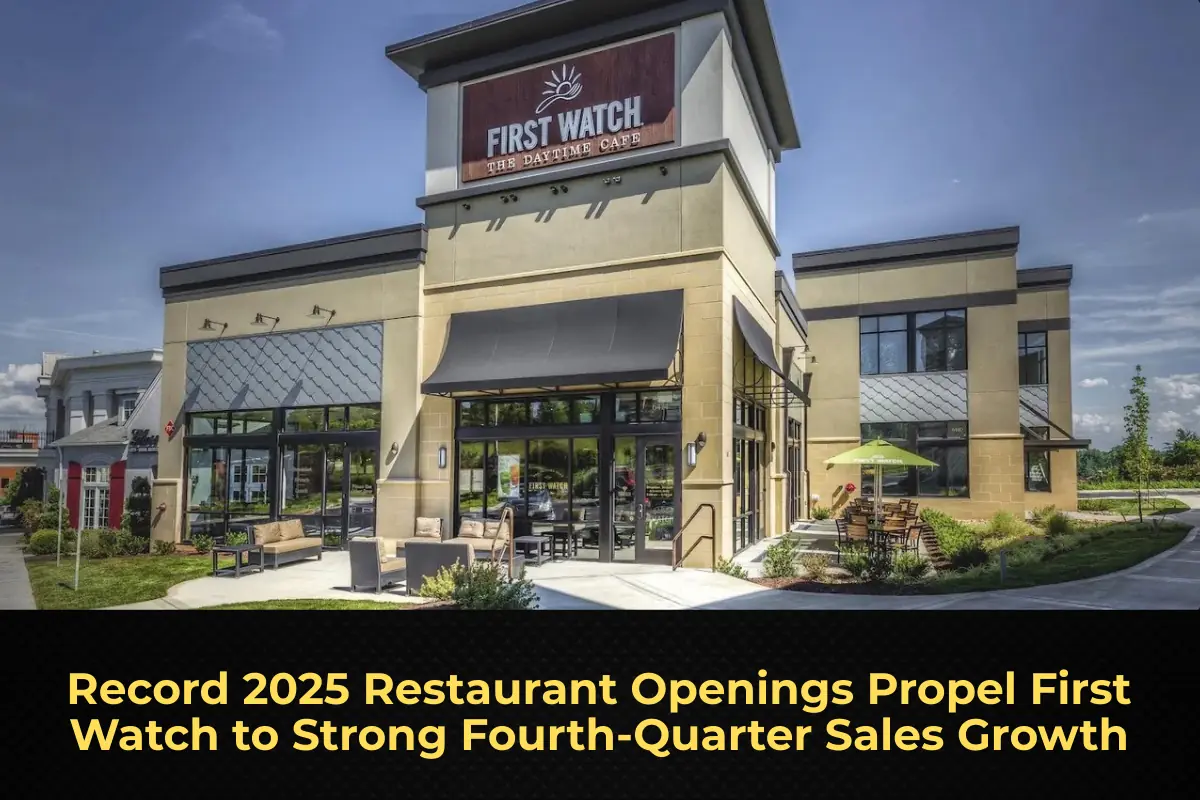

Expansion-Led Growth Defines First Watch’s Fourth-Quarter Performance
The latest quarterly performance of First Watch reflects how strategic restaurant expansion can act as a powerful growth engine within the casual dining sector. The brand’s record number of restaurant openings in 2025 played a pivotal role in driving a 3.1% increase in fourth-quarter sales, underscoring the effectiveness of disciplined unit growth combined with strong consumer demand for daytime dining experiences.
As the restaurant industry continues to navigate fluctuating consumer spending patterns, labor cost pressures, and evolving dining preferences, companies that successfully scale their physical footprint while maintaining brand consistency are demonstrating stronger resilience. The performance delivered during the final quarter of the year signals that expansion, when executed strategically, can generate sustainable revenue momentum even in a complex economic environment.
Record Restaurant Openings in 2025 Fuel Revenue Momentum
Strategic Development Pipeline Accelerates Footprint Growth
One of the most significant contributors to the company’s quarterly performance was its aggressive development pipeline. Throughout 2025, the brand executed a record number of new restaurant openings across key markets, strengthening its national footprint and enhancing accessibility for customers seeking daytime dining options.
This expansion strategy reflects a long-term vision focused on capturing untapped market demand while deepening penetration in existing regions. By entering high-growth suburban corridors and expanding in metropolitan areas with strong daytime traffic, the company has positioned itself to capture incremental sales without diluting brand identity.
Each newly opened location contributes not only immediate revenue but also long-term brand equity. Increased visibility, localized marketing, and community engagement create a network effect that amplifies overall brand awareness and customer loyalty. Over time, this cumulative impact strengthens both top-line performance and long-term competitive positioning.
New Units Drive Comparable Growth and Systemwide Sales
Beyond simply increasing store count, the new restaurants also supported broader systemwide sales growth. Fresh locations generated incremental transactions, while established restaurants benefited from brand reinforcement and increased consumer familiarity in newly entered markets.
This dual impact, new unit contribution plus halo effects on existing locations, helped lift fourth-quarter sales figures. The approach demonstrates how expansion can complement organic growth by broadening reach and improving market share within the daytime dining category.
The Rise of Daytime Dining as a Growth Segment
Changing Consumer Habits Favor Breakfast and Brunch Concepts
The performance achieved during the quarter highlights a broader shift in consumer dining behavior. Breakfast, brunch, and lunch-oriented restaurants are experiencing rising demand as consumers prioritize flexible meal occasions that align with remote work schedules, social brunch culture, and health-conscious menu preferences.
Daytime dining concepts often benefit from shorter operating hours, streamlined menus, and lower complexity compared with traditional dinner-focused casual dining brands. These operational advantages translate into stronger throughput and improved cost management, making the segment particularly attractive for expansion-driven growth strategies.
The growing popularity of breakfast and brunch experiences also reflects social trends, where daytime dining has evolved into a lifestyle occasion rather than merely a functional meal. This cultural shift has expanded revenue opportunities for operators that deliver consistent quality and a welcoming atmosphere.
Menu Positioning and Brand Differentiation
A defining strength of the brand lies in its focus on fresh ingredients, made-to-order dishes, and health-forward menu options. This positioning resonates with consumers seeking lighter, customizable meals during morning and midday hours. As wellness trends continue to influence dining choices, restaurants that emphasize freshness and transparency are seeing stronger engagement.
Additionally, the emphasis on chef-inspired offerings and seasonal menu rotations helps maintain customer interest and repeat visitation. This balance between familiarity and innovation supports sustained demand across both established and newly opened locations.
Operational Execution Behind Expansion Success
Site Selection and Market Analytics
Executing a record number of restaurant openings requires rigorous market analysis and disciplined real estate strategy. Each site must align with demographic trends, traffic patterns, and competitive dynamics to ensure strong initial performance and long-term viability.
The company’s expansion success indicates a data-driven approach to site selection, combining consumer insights with geographic growth forecasting. Such precision reduces the risk of underperforming locations and maximizes return on investment for new unit development.
Training, Culture, and Consistency Across New Locations
Rapid expansion also places significant demands on operational infrastructure. Maintaining consistent service standards, food quality, and brand experience across new restaurants requires robust training programs and strong leadership pipelines.
By investing in employee development and operational systems, the company has ensured that new locations reflect the same guest experience as established units. Consistency is particularly critical for casual dining brands, where repeat visits are often driven by predictable quality and service reliability.
Financial Performance and Margin Considerations
Balancing Growth with Cost Pressures
While expansion contributes positively to revenue growth, it also introduces cost complexities related to construction, staffing, and supply chain logistics. The ability to deliver sales growth while managing these expenses reflects disciplined financial oversight and efficient resource allocation.
Labor costs remain a key industry challenge, particularly for service-oriented dining concepts. Effective workforce scheduling, training efficiency, and productivity optimization are therefore essential to maintaining margins during periods of rapid unit growth.
Economies of Scale and Supply Chain Optimization
Expanding the restaurant network also enables economies of scale in procurement and distribution. Larger purchasing volumes can improve supplier negotiations and reduce per-unit costs, while centralized logistics enhance inventory control and minimize waste.
These efficiencies help offset rising input costs and support long-term profitability, demonstrating how expansion can create structural advantages beyond immediate revenue gains.
Competitive Landscape in Casual Dining
Daytime Dining Versus Traditional Casual Dining
The broader casual dining segment continues to evolve, with many full-service dinner-focused brands facing pressure from shifting consumer routines and increased competition from fast-casual operators. In contrast, daytime dining concepts have carved out a unique niche that blends the experience of casual dining with the speed and convenience often associated with fast-casual service models.
This hybrid positioning allows the brand to appeal to a wide demographic spectrum, including families, professionals, and social brunch groups. The ability to capture multiple customer segments throughout the morning and early afternoon dayparts provides a stable and diversified revenue base.
Brand Loyalty and Repeat Visit Behavior
Strong customer loyalty continues to underpin sales performance. Guests often integrate breakfast and brunch restaurants into their weekly routines, resulting in higher visit frequency compared to traditional dinner-only concepts. Loyalty programs, personalized promotions, and consistent service standards reinforce this habitual dining behavior.
As new locations open, these loyal customers act as brand ambassadors, accelerating adoption in new markets and strengthening community-level engagement.
Industry Context: Expansion as a Strategic Growth Lever
Unit Growth as a Core Restaurant Industry Strategy
Across the restaurant sector, expansion remains one of the most reliable levers for scaling revenue. While comparable sales growth reflects organic demand, new unit development allows companies to tap into new geographic markets and increase total addressable customer bases.
However, expansion must be executed with discipline. Overexpansion can strain operational capacity and dilute brand standards, while underexpansion may limit growth potential. The company’s record openings suggest a carefully balanced approach aligned with market demand and organizational readiness.
Consumer Demand for Experience-Driven Dining
Modern consumers increasingly seek dining experiences that combine quality food with comfortable ambiance and social engagement. Breakfast and brunch occasions often serve as social gatherings, celebrations, or work meetings, enhancing the experiential value of daytime dining.
Restaurants that create welcoming, community-oriented environments benefit from this experiential demand, translating into longer dwell times, higher average check sizes, and stronger brand affinity.
Outlook for Continued Growth
Future Development Pipeline and Market Opportunities
Looking ahead, the company’s development pipeline indicates continued confidence in expansion-led growth. Significant opportunities remain in underpenetrated suburban markets and emerging urban neighborhoods where demand for premium daytime dining experiences is growing.
Strategic franchising partnerships and company-owned unit development will likely remain key pillars of the expansion model, enabling faster market entry while maintaining operational oversight and brand consistency.
Innovation in Menu and Guest Experience
Sustained growth will also depend on ongoing menu innovation and guest experience enhancements. Seasonal offerings, locally inspired dishes, and beverage program expansion can drive incremental traffic and maintain customer excitement. At the same time, investments in digital ordering, waitlist technology, and loyalty platforms will enhance convenience and operational efficiency.
By aligning culinary creativity with operational discipline, the brand can continue to evolve without compromising its core identity as a fresh, daytime-focused dining destination.
Conclusion: Expansion Strategy Positions the Brand for Long-Term Success
The 3.1% fourth-quarter sales growth achieved following a record year of restaurant openings demonstrates the effectiveness of expansion as a primary growth strategy. By increasing market reach while maintaining strong operational execution and brand consistency, the company has reinforced its competitive position within the casual dining landscape.
As consumer dining habits continue to shift toward flexible meal occasions and experience-driven daytime dining, the brand’s focus on breakfast, brunch, and lunch occasions positions it advantageously for sustained demand. Continued investment in new locations, menu innovation, and digital engagement will be critical to maintaining growth momentum in the years ahead.
Ultimately, the results highlight a broader lesson for the hospitality industry: disciplined expansion, supported by strong brand fundamentals and operational excellence, can unlock meaningful and sustainable revenue growth even in a challenging economic climate.