Rashmi Ahuja on Leadership, Learning, and the Future of Indian Hospitality
Rashmi Ahuja shares leadership insights, career lessons, and her vision for the evolving Indian hospitality industry in an exclusive hospitality talk.
 nishathapa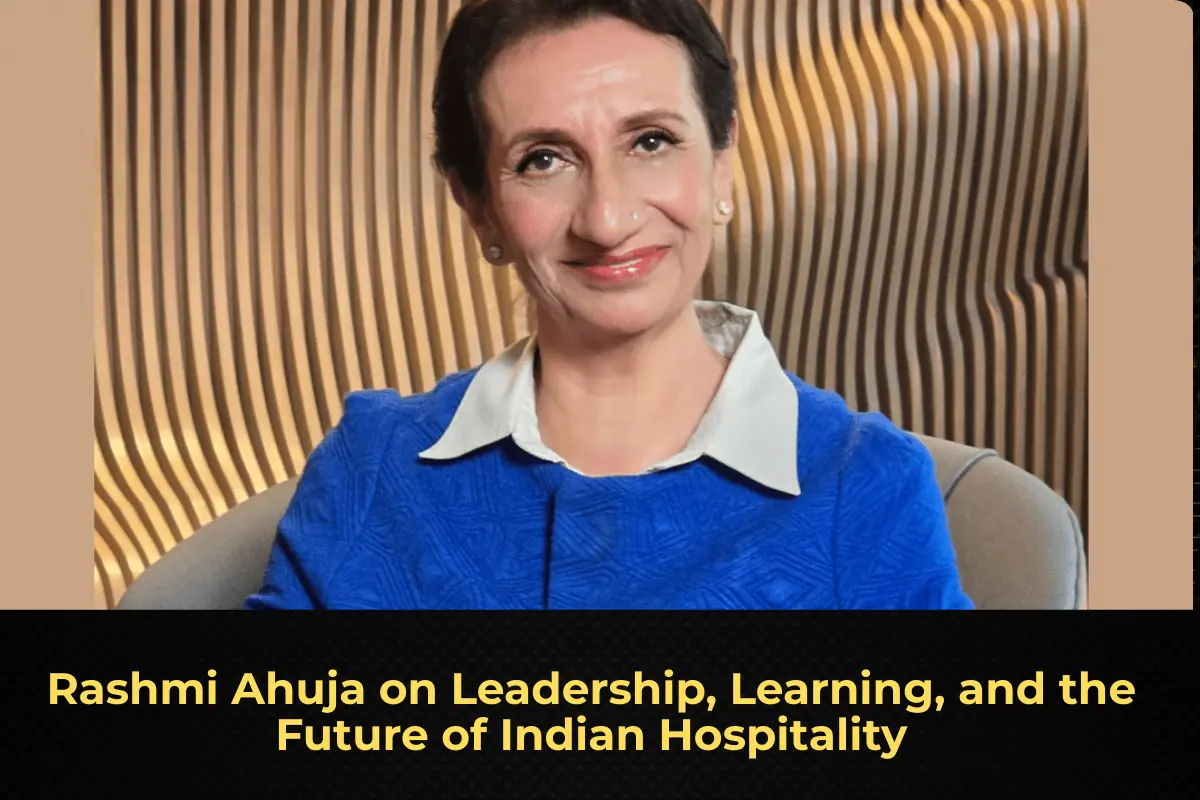

Leadership Lessons from Rashmi Ahuja in Indian Hospitality
In a dynamic and rapidly evolving hospitality landscape, strong leadership remains the defining factor behind sustainable success. In a recent hospitality talk, Rashmi Ahuja shared valuable insights into leadership philosophy, industry evolution, and the changing expectations of guests and professionals alike.
Her reflections provide a compelling perspective on how adaptability, empathy, and continuous learning shape long-term growth in India’s competitive hotel sector.
The Human Side of Hospitality Leadership
Hospitality, at its core, is a people-driven industry. According to Ahuja, leadership begins with understanding people—both guests and employees. While operational excellence and financial performance are critical, creating a culture of trust and collaboration is equally important.
Effective leaders invest time in mentoring teams, encouraging open communication, and building environments where employees feel empowered to contribute ideas and solutions.
Empathy as a Strategic Advantage
Empathy is often viewed as a soft skill, but in hospitality, it becomes a powerful business tool. Leaders who actively listen and understand team challenges can foster higher engagement levels and reduce attrition, a key concern in the industry.
By aligning organisational goals with individual aspirations, hospitality leaders can build resilient teams capable of navigating market shifts.
Adapting to Industry Transformation
The Indian hospitality sector has undergone significant transformation in recent years. Technology integration, evolving consumer behaviour, sustainability priorities, and heightened competition have redefined traditional operating models.
Ahuja highlighted the importance of staying agile in such an environment. Leaders must remain open to innovation while preserving the foundational values of service excellence.
Balancing Technology with Personalisation
Digital tools, automation, and data analytics are increasingly shaping guest experiences. However, Ahuja emphasised that technology should enhance—not replace—the human touch.
Hotels that successfully integrate smart systems while maintaining personalised engagement are better positioned to meet modern guest expectations.
Empowering Women in Hospitality
Leadership discussions in hospitality increasingly focus on diversity and inclusion. Ahuja’s journey reflects the growing presence of women in leadership roles within India’s hotel industry.
Encouraging gender diversity not only strengthens organisational culture but also introduces varied perspectives that drive innovation and problem-solving.
Career Growth Through Continuous Learning
One of the key themes in Ahuja’s hospitality talk was the importance of lifelong learning. The industry’s fast-paced nature demands constant upskilling—whether in revenue management, digital marketing, sustainability practices, or guest experience innovation.
Professionals who proactively adapt to new trends and acquire cross-functional knowledge are more likely to advance in leadership roles.
Mentorship and Talent Development
Strong leaders recognise that their legacy lies in nurturing future talent. By mentoring young professionals and creating structured development pathways, organisations can ensure leadership continuity and operational stability.
Structured training programs, internal mobility opportunities, and performance feedback mechanisms are essential components of talent growth.
Sustainability as a Core Business Priority
Sustainability is no longer optional in modern hospitality. From energy-efficient operations to responsible sourcing and waste management, environmental responsibility directly influences brand perception.
Ahuja highlighted that integrating sustainable practices into daily operations not only supports environmental goals but also enhances long-term profitability through resource optimisation.
The Road Ahead for Indian Hospitality
India’s hospitality sector continues to expand, driven by domestic tourism, infrastructure development, business travel, and experiential travel trends. Leaders must anticipate shifting demand patterns and prepare their organisations accordingly.
Strategic agility, financial prudence, technological adoption, and strong team engagement will define successful enterprises in the coming decade.
Conclusion
Rashmi Ahuja’s leadership insights underscore a fundamental truth: hospitality success is built on people, purpose, and adaptability. In an industry shaped by constant change, leaders who combine empathy with innovation can create lasting impact.
As Indian hospitality moves into its next phase of growth, voices like Ahuja’s provide valuable guidance for professionals aspiring to lead with integrity, resilience, and forward-thinking vision.