Camden Council Revokes Licence of Percy Street Restaurant in London
Camden Council has revoked the licence of a Percy Street restaurant in London following regulatory concerns, raising questions about compliance and local enforcement in the hospitality sector.
 Prajakta Sanjay Warwadkar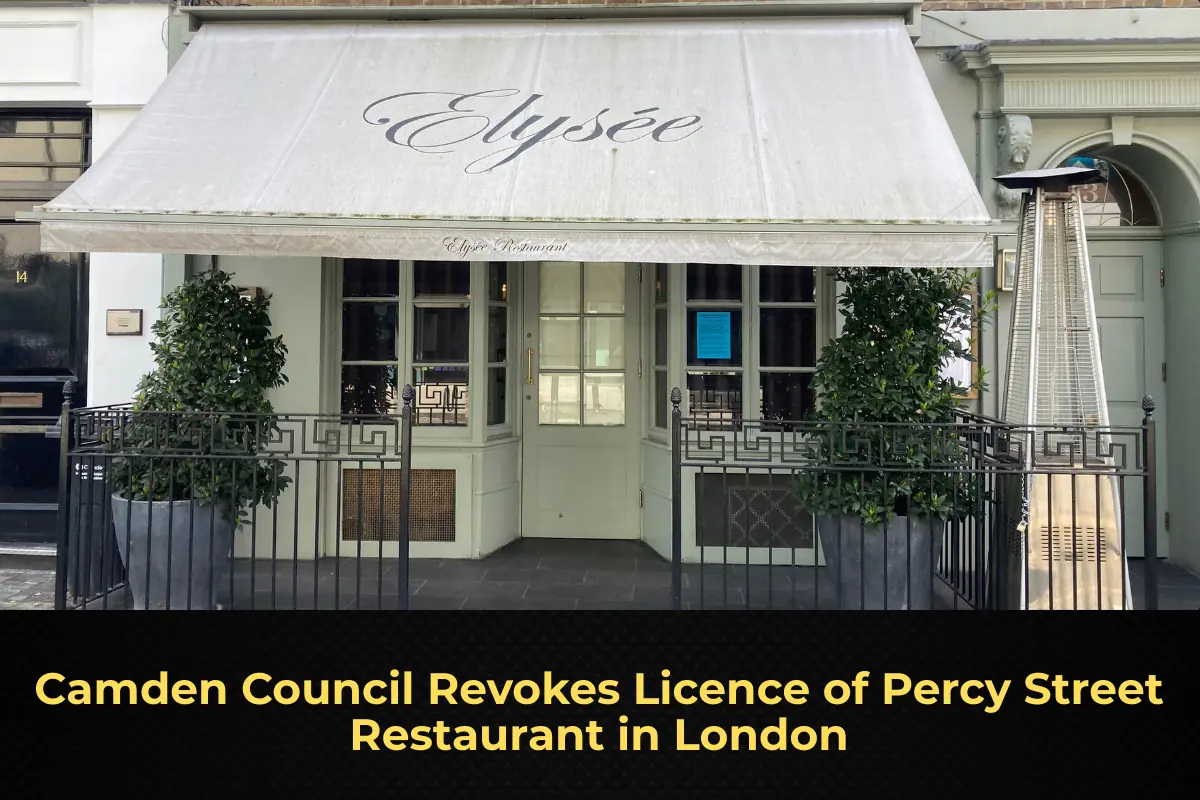
Camden Council Revokes Licence of Percy Street Restaurant
Camden Council has revoked the operating licence of a restaurant located on Percy Street in London, citing regulatory concerns and compliance issues, in a move that underscores the importance of adherence to local licensing laws within the hospitality sector. The decision, announced in March 2026, affects the restaurant’s ability to continue trading and highlights ongoing enforcement efforts by local authorities in one of the capital’s busiest dining districts.
The council’s action follows a review process in which officials assessed the restaurant’s operations against licensing requirements. While specific details surrounding the violations have not been fully disclosed, the revocation indicates that authorities found sufficient grounds to take enforcement action under existing regulatory frameworks.
Regulatory Oversight in London’s Hospitality Sector
Local councils across London are responsible for issuing and monitoring licences for restaurants, bars, and other hospitality businesses. These licences cover a range of operational aspects, including food safety, alcohol sales, noise control, public safety, and adherence to permitted operating hours.
Camden, known for its vibrant dining and nightlife scene, maintains strict oversight of licensed premises to ensure compliance with regulations designed to protect public health and maintain order. Businesses operating within the borough are expected to meet these standards consistently to retain their licences.
The revocation of a licence is considered a significant enforcement measure and is typically applied when authorities determine that a business has failed to meet required standards or has repeatedly breached conditions.
Impact on the Restaurant and Its Operations
The immediate effect of the licence revocation is the cessation of the restaurant’s operations, as it can no longer legally serve customers under its existing permissions. This development can have far-reaching implications for the business, including financial losses, reputational damage, and potential job losses for employees.
In such cases, restaurant operators may have the option to appeal the decision or reapply for a licence after addressing the issues identified by authorities. However, the process can be complex and time-consuming, often requiring significant changes to operational practices and management structures.
For customers, the closure of a local dining establishment can also impact the surrounding community, particularly in areas where independent restaurants contribute to the character and vibrancy of the neighborhood.
Enforcement and Compliance Challenges
The incident highlights broader challenges faced by restaurant operators in maintaining compliance with regulatory requirements. Running a hospitality business involves managing multiple aspects of operations simultaneously, from food preparation and customer service to staffing and inventory management.
Ensuring compliance with licensing conditions adds another layer of responsibility, requiring operators to stay informed about regulations and implement appropriate systems to meet them. Failure to do so can result in penalties ranging from fines to licence suspension or revocation.
Industry experts note that compliance is not only a legal obligation but also a critical factor in maintaining customer trust and ensuring long-term business sustainability.
Role of Local Authorities in Enforcement
Local authorities such as Camden Council play a key role in enforcing licensing regulations and maintaining standards within the hospitality sector. Councils have the authority to conduct inspections, respond to complaints, and take action against businesses that do not comply with the law.
Enforcement actions are typically guided by considerations of public safety, community impact, and the severity of any violations. In cases where issues are identified, councils may issue warnings or impose conditions before taking more severe measures such as licence revocation.
The decision to revoke a licence is generally viewed as a last resort, reflecting serious or persistent concerns about a business’s operations.
Wider Implications for the Hospitality Industry
The revocation of the Percy Street restaurant’s licence serves as a reminder to hospitality operators across London and beyond about the importance of maintaining high standards of compliance. As the industry continues to recover and evolve, regulatory oversight remains a critical component of ensuring safe and responsible operations.
Restaurants must balance the demands of running a business with the need to adhere to legal requirements, particularly in highly regulated environments such as the UK. This includes maintaining proper documentation, training staff, and implementing procedures to meet health and safety standards.
Failure to meet these expectations can result in significant consequences, affecting not only individual businesses but also the broader reputation of the industry.
Community and Economic Considerations
Restaurants play an important role in local economies, contributing to employment, tourism, and community engagement. The closure of a licensed establishment can therefore have ripple effects beyond the business itself.
In areas like Camden, where the hospitality sector is a key part of the local identity, maintaining a balance between supporting businesses and enforcing regulations is essential. Authorities aim to ensure that businesses operate responsibly while continuing to contribute positively to the community.
For residents and visitors, regulatory actions help ensure that dining environments remain safe and enjoyable, reinforcing confidence in the local hospitality sector.
Possible Next Steps for the Operator
The restaurant operator may seek to challenge the council’s decision through an appeals process, depending on the circumstances of the case. Alternatively, efforts may be made to address the identified issues and reapply for a licence at a later stage.
Such steps typically involve demonstrating compliance with all regulatory requirements and implementing measures to prevent future violations. This may include operational changes, staff training, and improvements to management practices.
The outcome of any appeal or reapplication process will depend on the ability of the operator to satisfy the council’s concerns and meet the necessary standards.
Conclusion
The revocation of the Percy Street restaurant’s licence by Camden Council highlights the critical importance of regulatory compliance within the hospitality industry. As local authorities continue to enforce standards, restaurant operators must remain vigilant in meeting licensing requirements to ensure the continuity of their businesses.
The situation remains ongoing, with the restaurant currently unable to operate while any potential appeals or regulatory processes are considered.