Chipotle Mexican Grill Stock Reveals Growing Margin Strain
Chipotle Mexican Grill stock closed near $36.03 on September 10, down 1.6%, as inflation and margin pressure weighed on restaurant sector shares broadly.
 RUKAIYA KADIWAL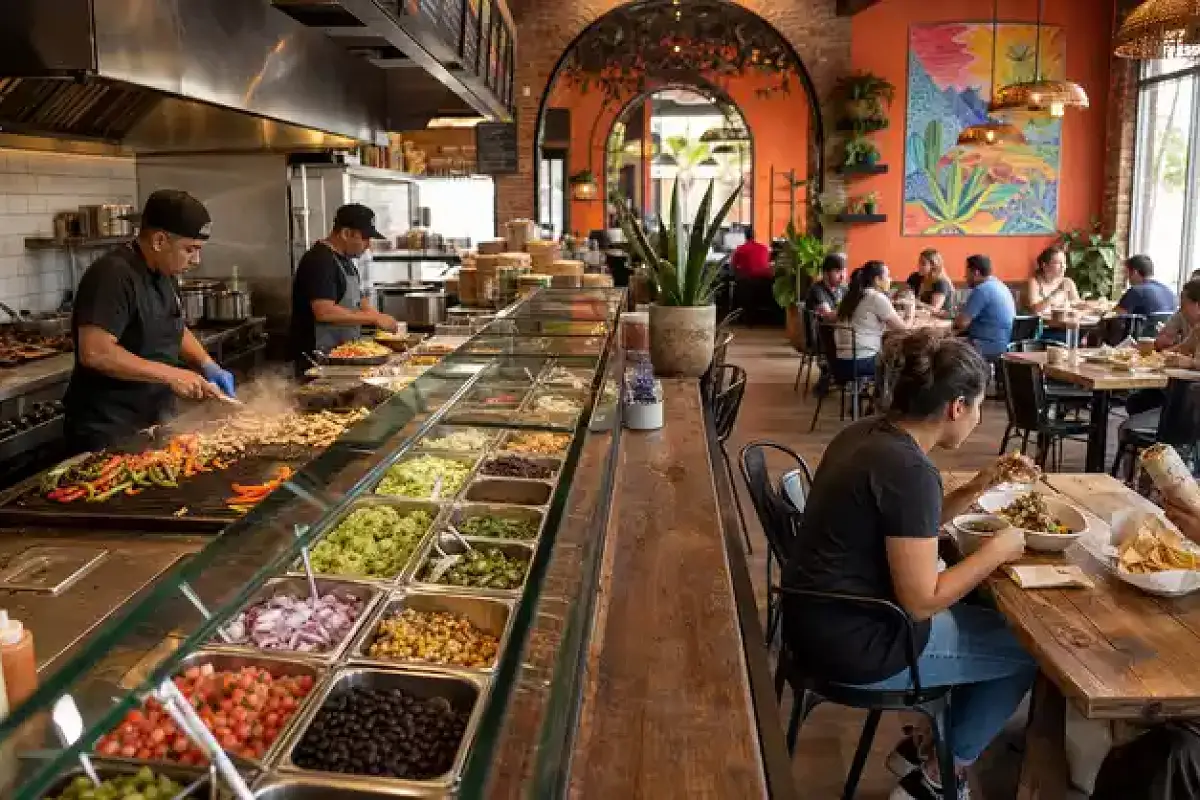
Behind the counter, a line cook works a grill scattered with peppers and onions, steam rising past a mural of cacti and mountains painted across the wall. Guests sit hunched over foil wrapped burritos at wooden tables, the everyday rhythm of a Chipotle location unfolding exactly as it does in thousands of stores nationwide. Yet far from any kitchen, on trading floors and screens tracking ticker symbols, Chipotle Mexican Grill Stock told a rather different story on September 10, one measured not in burrito bowls but in percentage points and analyst targets.
Chipotle Mexican Grill stock closed near USD 36.03 on the NYSE that day, down about 1.6 percent for the session, according to consolidated quote data from major portals and restaurant sector wraps. That decline left shares trading below a consensus target around USD 44, underscoring a valuation gap between where the market currently prices the company and where analysts believe it ultimately belongs.
A Session Measured in Fractions of a Dollar
Chipotle Mexican Grill Inc, trading under ticker CMG on the NYSE, ended the September 10 session at roughly USD 36.03, marking a decline of about 1.6 percent compared with the prior close. Intraday levels moved within the mid USD 36 band throughout the day, with one snapshot recording USD 36.38 during active trading hours, illustrating the modest but persistent downward drift shares experienced across the session.
A restaurant sector review by MarketWatch highlighted Chipotle among names under particular pressure that day, as inflation and slower discretionary spending weighed on operator share prices broadly across the industry rather than affecting Chipotle in isolation.
What Analysts Are Actually Watching
In a separate analyst focused piece, MarketWatch cited Chipotle at USD 36.03 against a consensus price target near USD 44.07, implying roughly 22 percent upside from current levels. That gap placed the company among restaurant stocks carrying predominantly positive analyst ratings, suggesting Wall Street's longer term view remains considerably more optimistic than the day's trading action alone might suggest.
Sector context reinforced that broader volatility extended well beyond Chipotle alone. A restaurant basket discussed by Morningstar on September 10 pointed to Chipotle shares around USD 36.03 alongside peers such as McDonald's and Cava, noting that the implied twelve month upside for Chipotle, based on those consensus targets, remained above 20 percent even amid the day's selling pressure.
Chipotle's Decline Against the Broader Market
At the index level, a same day wrap from Zacks reported the Dow closing lower by 0.8 percent on September 10, illustrating that Chipotle's roughly 1.6 percent drop actually outpaced the broader blue chip index decline for the day. That gap matters, since it suggests investors were pricing in concerns specific to Chipotle and its restaurant peers rather than simply reacting to a broader market wide selloff.
For a company long regarded as a bellwether within fast casual dining, underperforming the wider index carries particular significance, signaling that sector specific pressures, rather than macroeconomic noise alone, were driving the day's trading behavior.
The Real Story Behind the Numbers
Heading into today's session on September 11, attention around Chipotle centers on ongoing margin trends and pricing strategy rather than any single scheduled corporate event. An analysis by Yahoo Finance on September 10 emphasized that Chipotle is grappling with higher operating costs and inflation, with management expecting the gap between pricing and inflation to narrow from the fourth quarter of 2026 onward.
That expected narrowing represents a meaningful signal for investors watching the stock closely, since it suggests company leadership views current margin pressure as a temporary phase rather than a permanent structural shift in the business's underlying economics. Broader restaurant sector commentary from MarketWatch pointed to inflationary pressures as the driving force behind recent selloffs in restaurant operators generally, suggesting investors will continue weighing cost trends against demand resilience for Chipotle and its peers as the new trading session begins. Full financial details and investor information are available on the official Chipotle website.
What This Reveals About Fast Casual Dining Under Pressure
Chipotle's situation illustrates a broader tension currently facing the fast casual dining category as a whole, where rising ingredient and labor costs collide directly with a customer base increasingly sensitive to menu price increases. That balancing act, maintaining the fresh ingredient promise the brand has built its reputation around while still protecting margins, represents precisely the kind of operational challenge investors are now pricing into share valuations.
Restaurant chains navigating similar cost pressures continue exploring different strategies for protecting profitability without sacrificing the guest experience that built their customer loyalty in the first place, a dynamic playing out across the industry in markedly different ways, from large publicly traded chains adjusting pricing strategy to smaller independent operators investing heavily in distinctive concepts, as seen in recent coverage of Capperini's upcoming Glenside opening, where a very different scale of restaurant business faces its own version of balancing ambition against rising costs.
A Kitchen Unaware of the Ticker
Back inside that Chipotle location, the grill continues its steady rhythm, peppers and onions sizzling, foil wrapped burritos passing across the counter one order at a time, entirely indifferent to whatever the stock closed at hours earlier on the NYSE. That disconnect, between the daily reality of a fast casual kitchen and the abstract, ticker driven world of quarterly guidance and analyst targets, defines much of how publicly traded restaurant companies actually function, two parallel stories unfolding simultaneously, one measured in meals served, the other in percentage points and consensus price targets, each shaping the other in ways diners rarely notice from their side of the counter.