Middle East Hotel Recovery 2026: Marriott and Hilton See Early Gains
Middle East Hotel Recovery 2026 may begin as peak season arrives, with analysts expecting Marriott and Hilton RevPAR to jump from the war hit second quarter.
 RUKAIYA KADIWAL
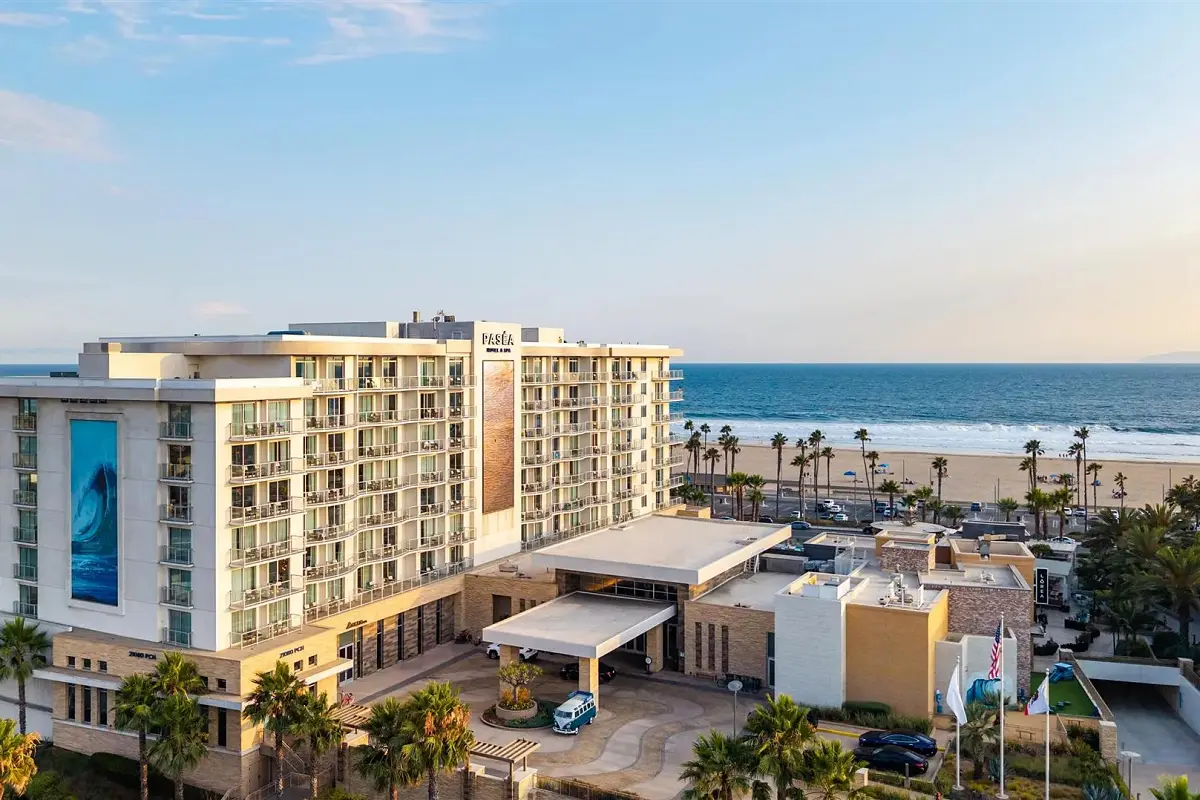
From a balcony above Crescent Road on Dubai's Palm Jumeirah, the beach looks ready for guests. Blue and white umbrellas ring a pool, palms line the sand, and the water lies calm. That quiet scene frames the story of Middle East Hotel Recovery 2026, which Bloomberg says may be starting as peak season nears.
Global hotel operators hurt by the US Iran conflict should see early signs of returning demand, according to the report. The recovery is expected to be partial. Business will stay well below the levels seen before the war.
What the Middle East Hotel Recovery 2026 Numbers Say
The clearest figures come from analyst estimates for two of the largest operators. They expect revenue per available room, known as RevPAR, to rise about 70% for Marriott International in the region. For Hilton Worldwide, the estimate is about 65%.
Both gains are measured from the second quarter to the fourth. The second quarter is when travel disruption tied to the war began to hurt earnings. These Marriott RevPAR Middle East and Hilton RevPAR Middle East estimates show how sharply the picture could change in a single half year.
A jump of that size comes from a weak starting point. A large percentage gain from a low base does not mean a full return to earlier strength. The report itself calls the recovery fragile.
Peak Season Brings the First Test
The region is now entering its busiest stretch for visitors. The Middle East peak travel season is when hotels usually earn their best rates and fill the most rooms. That makes it the first real test of whether guests are coming back.
For owners and lenders, the question is practical. Early signs of Middle East hotel demand matter because they shape staffing, pricing and plans for the months ahead. Even a modest upturn can ease pressure after a hard period.
The wider Middle East hotel market will not move as one block. Cities, brands and price levels often recover at different speeds. The report does not break the figures down by country or by property type.
Marriott and Hilton in the Frame
The two companies are named because they are among the biggest operators in the region. The estimates cover Marriott Middle East hotels and Hilton Middle East hotels as a whole. They are analyst projections, not results the companies have reported.
That difference matters for readers following Middle East hotel performance. Projections can change as bookings arrive, and the final figures may differ. The report treats the numbers as early signs, not a confirmed trend.
For the Hotel industry Middle East watchers, the broader lesson is about exposure. Global brands earn money from many regions, yet a regional shock can still weigh on a single quarter. The report shows how closely earnings follow travel confidence.
What the Report Leaves Open
Several details are missing from the text reviewed here. It gives no occupancy rates, room prices or visitor numbers. It also does not state when the recovery might reach levels from before the war.
The photo shows a hotel on Crescent Road in Palm Jumeirah, which points to Dubai. Yet the report excerpt offers no Dubai figures. Readers looking for Dubai hotel market 2026 or Dubai tourism recovery data will need other sources.
Travellers can check brand updates on the official Marriott website. For a very different hotel story, read this report on the FSSAI dairy whitener sample at Hotel Lalit. Both show how outside events can reach a hotel's daily business.
The Middle East hospitality recovery is still a forecast, not a finished fact. The pool in the photo is waiting, its umbrellas open, for guests who may or may not arrive. How full those loungers become this season will say more than any estimate.