Red Lobster Turnaround Efforts Struggle to Gain Momentum in 2026
Red Lobster’s recovery efforts have yet to deliver significant results in 2026, as the casual dining chain continues to face financial and operational challenges.
 Prajakta Sanjay Warwadkar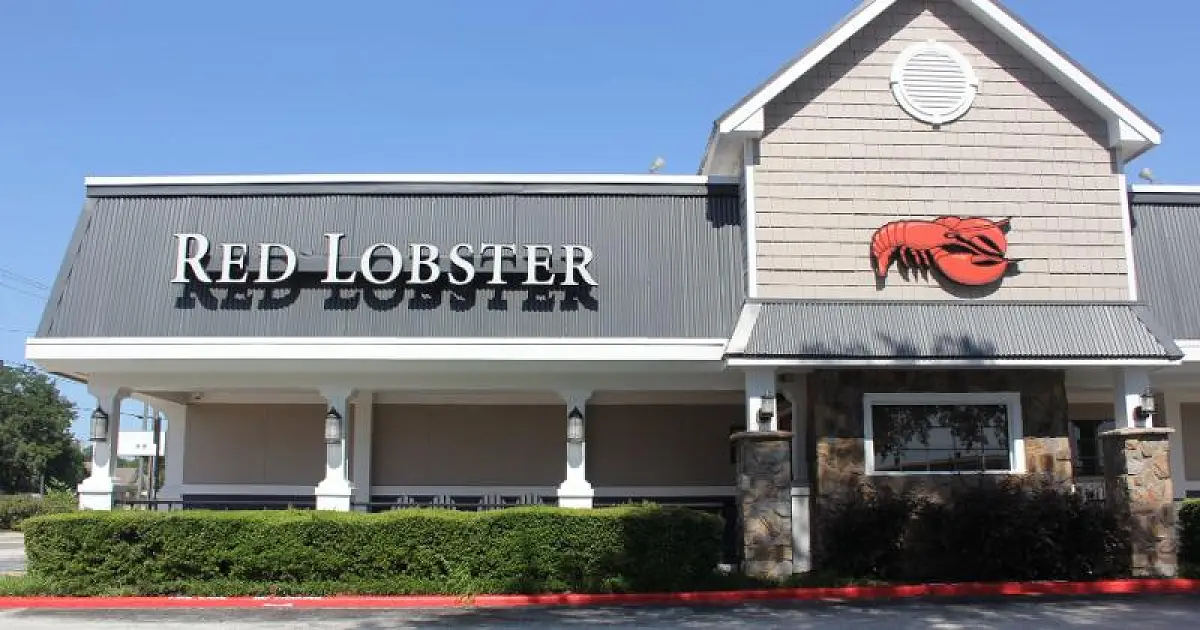
Red Lobster Turnaround Efforts Struggle to Gain Momentum in 2026
Red Lobster’s efforts to revive its business in 2026 have yet to show significant progress, as the US-based casual dining chain continues to grapple with financial pressures, declining traffic, and shifting consumer preferences across its core markets. Despite strategic changes aimed at stabilizing operations, the brand has struggled to regain momentum in an increasingly competitive restaurant landscape.
The company has been implementing a series of turnaround initiatives, including menu adjustments, operational restructuring, and promotional campaigns, in an attempt to improve performance. However, industry analysts note that these efforts have not yet translated into meaningful gains in sales or customer engagement.
Ongoing Financial Pressures
Red Lobster continues to face mounting financial challenges, driven by rising food costs, labor expenses, and broader inflationary pressures affecting the restaurant industry. These factors have significantly impacted profit margins, making it difficult for the chain to achieve sustainable recovery.
The company’s cost structure, combined with declining foot traffic in casual dining segments, has created a challenging operating environment. Efforts to manage expenses have included streamlining operations and revising pricing strategies, but the impact has been limited so far.
Financial strain remains one of the primary obstacles to the brand’s turnaround.
Declining Customer Traffic
A key issue facing Red Lobster is the continued decline in customer visits, particularly as consumers shift toward more affordable and convenient dining options. Fast-casual and quick-service restaurants have gained market share, drawing customers away from traditional casual dining formats.
Changing dining habits, including increased preference for delivery and takeout, have further disrupted the brand’s traditional business model, which relies heavily on dine-in experiences. The company has attempted to adapt by enhancing off-premise offerings, but competition in this space remains intense.
Lower footfall has directly affected revenue growth and overall performance.
Menu and Brand Repositioning Efforts
As part of its turnaround strategy, Red Lobster has introduced menu changes designed to attract a broader customer base. These include new items, limited-time offers, and efforts to modernize its culinary appeal while maintaining its core seafood identity.
The brand has also focused on marketing campaigns aimed at repositioning itself and reconnecting with consumers. However, rebuilding brand perception in a crowded market has proven to be a complex and gradual process.
Industry observers suggest that sustained innovation will be necessary to drive long-term recovery.
Operational Restructuring
The company has undertaken operational changes to improve efficiency and reduce costs. These include adjustments to staffing models, supply chain optimization, and efforts to enhance service consistency across locations.
While these measures are intended to strengthen the foundation of the business, their benefits may take time to materialize. Execution at the store level remains critical to ensuring that operational improvements translate into better customer experiences.
Consistency and efficiency are key factors in supporting the turnaround plan.
Competitive Industry Landscape
The challenges facing Red Lobster are compounded by intense competition within the restaurant industry. Casual dining chains are increasingly competing with fast-casual concepts that offer lower prices, faster service, and greater convenience.
At the same time, consumers are becoming more selective about where they spend, often prioritizing value and unique experiences. This shift has placed additional pressure on traditional dining brands to differentiate themselves.
The competitive landscape continues to evolve, making recovery more difficult for legacy chains.
Consumer Trends and Changing Preferences
Shifts in consumer behavior are playing a significant role in shaping Red Lobster’s performance. Diners are increasingly seeking healthier options, diverse cuisines, and flexible dining formats that align with modern lifestyles.
The rise of digital ordering and delivery platforms has also transformed how customers interact with restaurants. Brands that fail to adapt quickly to these changes risk losing relevance in the market.
Red Lobster’s ability to align with these trends will be critical to its future success.
Industry-Wide Challenges
The difficulties faced by Red Lobster reflect broader challenges within the casual dining segment. Many established chains are struggling to maintain relevance as the industry shifts toward more agile and innovative formats.
Economic uncertainty, rising costs, and evolving consumer expectations have created a complex environment for restaurant operators. Companies that can effectively balance cost control with customer experience are more likely to succeed.
The situation highlights the need for continuous adaptation in the foodservice sector.
Outlook for Recovery
While Red Lobster’s turnaround efforts have yet to produce significant results, the company continues to pursue strategies aimed at stabilizing and improving its performance. Management remains focused on enhancing operational efficiency, refining its menu, and strengthening customer engagement.
Analysts suggest that recovery may take time, particularly given the scale of the challenges facing the brand. Sustained investment and strategic execution will be essential in rebuilding momentum.
The company’s long-term prospects will depend on its ability to adapt to changing market conditions and consumer expectations.
Conclusion
Red Lobster’s turnaround efforts remain a work in progress in 2026, as the chain continues to navigate financial pressures, declining traffic, and a shifting competitive landscape, with meaningful recovery yet to materialize.