Restaurant Bankruptcies in France: Cultural Tradition Meets Economic Reality
Restaurant Bankruptcies in France accelerate as rising costs overwhelm traditional establishments. French hospitality industry faces existential crisis amid economic pressures.
 RUKAIYA KADIWAL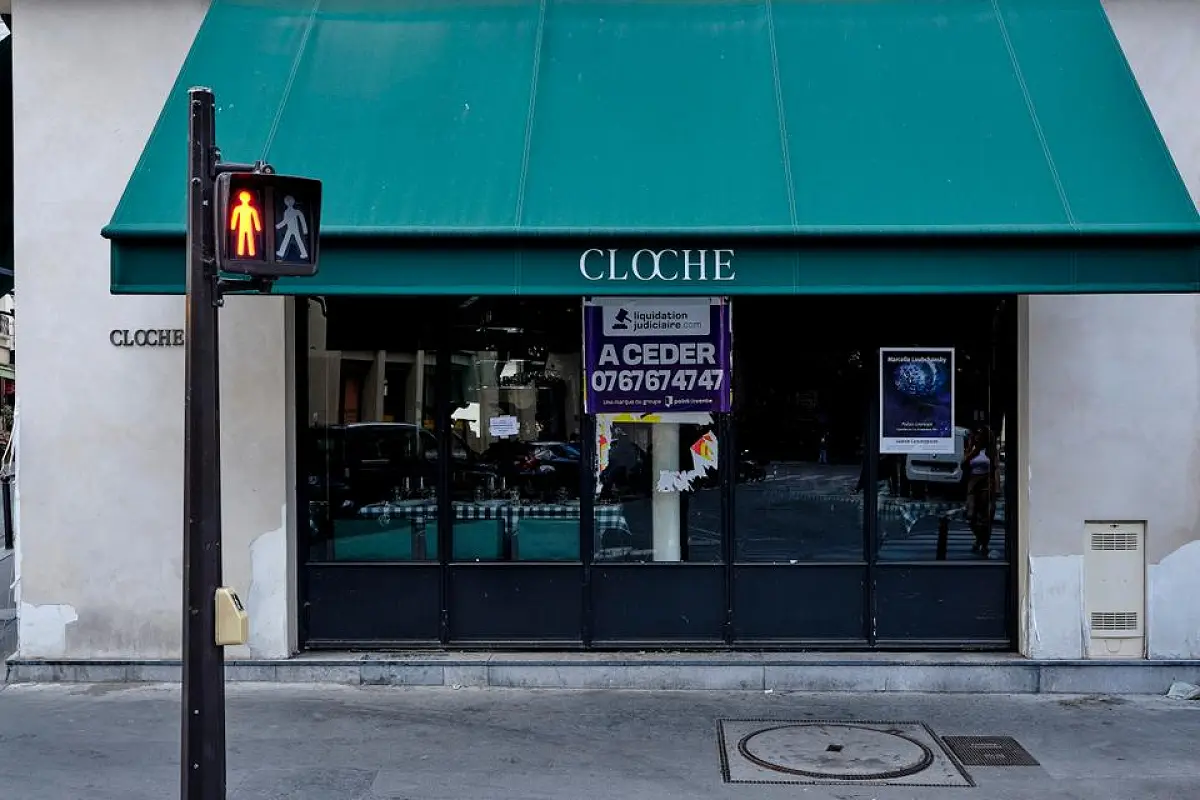
A proprietor removes the turquoise awning from above the storefront. The fabric comes down carefully despite decades of faithful service. The sign reading "Halles" remains fixed momentarily to the building facade. Restaurant Bankruptcies in France reshape Paris daily. Another establishment closes. Restaurant Bankruptcies in France signal profound shift in French hospitality reality.
Why Restaurant Bankruptcies in France Matters
French restaurant culture faces existential pressures. French restaurant bankruptcies accelerate at unprecedented rates. Restaurant closures in France eliminate institutions serving communities for generations. Rising restaurant costs create unsustainable economics. France hospitality industry struggles to adapt. Declining restaurant spending reduces customer bases substantially. The phenomenon extends beyond individual failures into systemic crisis. France confronts painful truth that restaurant culture requires constant reimagination.
The proprietor remembers his father opening this establishment decades earlier. The restaurant represented family legacy and community gathering place. Regulars occupied the same tables for years. Staff remained stable across decades. The model worked reliably until it stopped working. Restaurant Bankruptcies in France represent failure of familiar paradigms. Economic pressures overwhelmed tradition eventually.
Understanding French Restaurant Bankruptcies Economics
Multiple factors converge creating impossible conditions. Rising restaurant costs include labor, rent, and ingredients. French labor regulations increase payroll expenses significantly. Minimum wage rises strain thin margins continuously. Rent in Paris neighborhoods reaches prohibitive levels. France hospitality industry operators face landlords demanding premium rates. Restaurant closures in France occur when economics become untenable. Business models designed decades earlier cannot sustain current cost structures.
Supply chain disruptions raise food expenses unpredictably. Energy costs impact kitchen operations substantially. Declining restaurant spending means revenue stagnates while expenses climb. Customers dine less frequently or choose less expensive venues. French restaurant bankruptcies reflect broader economic pressures throughout French society. Households struggle financially. Entertainment spending becomes luxury rather than routine. Restaurant visits become rare occasions rather than regular social practice.
Staff Impact of Restaurant Closures in France
Employees face displacement without safety nets. France hospitality industry workers possess specialized skills with limited alternative employment. Kitchen workers trained in traditional French techniques lack portable qualifications. Waitstaff built careers on restaurant service. Restaurant bankruptcies in France eliminate their livelihoods. Declining restaurant spending creates glut of available workers. Employers face no pressure to maintain wages or conditions. Employment becomes precarious throughout sector.
The proprietor recalls conversations with longtime staff members. They expressed anxiety about futures suddenly uncertain. Some possessed decades of institutional knowledge. Others had never worked anywhere else. Restaurant closures in France force career transitions mid-life. Training programs for alternative employment remain limited. Social safety net provides modest support. The human cost extends far beyond balance sheets.
Community Impact of Restaurant Bankruptcies in France
Neighborhoods lose gathering spaces serving residents for generations. French restaurant bankruptcies eliminate places where community forms. Restaurant closures in France extinguish social infrastructure. Regulars lost their evening destinations. Elderly residents lost gathering places. Families lost occasion-marking venues. France hospitality industry decline removes woven social fabric. The restaurant represented more than business operation. It functioned as community anchor.
Replacement businesses appear slowly. Rising restaurant costs deter new restaurant investments. Successful operators hesitate entering uncertain markets. Chains replace independent establishments gradually. Declining restaurant spending favors high-volume, lower-cost concepts. Traditional fine dining disappears systematically. Restaurant closures in France accelerate cultural erosion. French communities transform as restaurant culture fades.
Industry Transformation Driven by Restaurant Bankruptcies in France
The crisis forces fundamental business model reconsideration. French restaurant bankruptcies survivors adapt or perish. Restaurant closures in France suggest unsustainable practices require abandonment. Technology adoption accelerates reluctantly. Delivery platforms extend reach but reduce margins. Rising restaurant costs pressure operators toward efficiency. Menus simplify. Training intensity decreases. Quality standards lower. France hospitality industry transformation trades tradition for survival.
Menu engineering becomes necessity rather than luxury. Signature dishes disappear from offer. Labor-intensive preparations become impossible. Declining restaurant spending forces price consciousness. Premium ingredients give way to economical alternatives. Restaurant bankruptcies in France reshape what French cuisine means. The cuisine itself adapts to economic reality.
What Restaurant Bankruptcies in France Reveals About Hospitality
Cultural institutions require economic sustainability fundamentally. French restaurant bankruptcies demonstrate that tradition alone provides insufficient protection. Restaurant closures in France occur despite cultural significance. France hospitality industry decline reflects broader societal challenges. Rising restaurant costs outpace customer ability to sustain patronage. Declining restaurant spending accelerates as household economics deteriorate, reflecting patterns documented in Le Monde official reporting and French economic analysis as well as broader hospitality trends discussed in analyses of restaurant industry resilience and cultural preservation.
The proprietor packs the last items from the kitchen. Restaurant Bankruptcies in France close another chapter. French restaurant bankruptcies continue accumulating. Restaurant closures in France reshape community life permanently. The turquoise awning comes down. The storefront empties. France hospitality industry transformation continues relentlessly. Cultural loss persists quietly as economic necessity overrides heritage.