Rosso Redefines Pune Dining With Global-Grade Design
Rosso Pune draws global attention for design-led dining in 2026. Discover why the restaurant stands out for architecture and experience. Read more.
 Ekta Mathew
PUNE, June 10, 2026 — Rosso Pune continues to draw international design attention in 2026 as diners and architects cite its spatial storytelling, material choices and restrained luxury as benchmarks for modern restaurants.
The restaurant, located in Pune’s hospitality corridor, blends European dining sensibilities with Indian architectural restraint, positioning Rosso Pune among venues increasingly discussed in global design circles.
Rosso Pune places design at the center of dining
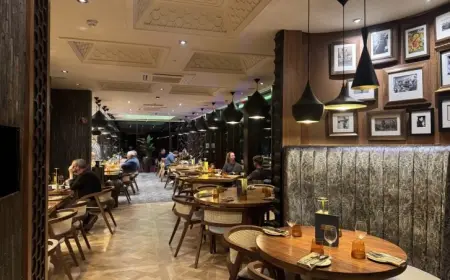
From the first entry point, Rosso Pune uses spatial sequencing to guide guests through layered zones rather than a single open hall. Designers prioritize flow, privacy and visual rhythm over scale.
Muted reds, textured stone and controlled lighting define the interiors, creating a dining environment that remains consistent from day service to late evenings.
Material choices shape Rosso Pune’s global appeal
Natural stone, brushed metals and custom woodwork dominate the interiors, avoiding decorative excess. Every surface serves a functional and visual purpose.
Design teams involved in the project emphasize durability and timelessness, allowing the restaurant to age visually without frequent renovations.
Lighting design drives the Rosso Pune experience
Lighting remains deliberately subdued, with warm tones used to highlight tables rather than walls. The approach reduces noise and sharp contrasts during peak dining hours.
According to Rosso’s management, lighting layouts were tested across multiple service simulations before final installation.
Food presentation aligns with architectural intent
The kitchen team coordinates plating styles with interior palettes, ensuring dishes visually complement the surroundings. Neutral crockery allows ingredients to remain the focal point.
Menus focus on Italian staples while adapting flavors for regional preferences without altering presentation standards.
Rosso Pune reflects a shift in Indian hospitality design
Hospitality consultants note that Rosso Pune represents a broader move toward design-led dining in India, where atmosphere holds equal weight with cuisine.
Rather than theatrical elements, the restaurant relies on consistency, restraint and proportion to leave a lasting impression.
Digital visibility fuels international interest
Architectural photographs and guest-shared visuals from Rosso Pune continue to circulate on global design platforms and social media feeds.
The restaurant maintains an active presence through its official channels, reinforcing its positioning beyond local dining markets.
More details are available on the official website of Rosso Pune and its verified Instagram page.
More information about Indian cuisine and its regional diversity can be explored through Indian cuisine history and traditions.
Businesses monitoring hospitality expansion trends can also explore restaurant industry growth trends for 2026 to understand how regional food concepts are shaping dining markets.