McDonald’s Protein Menu 2026: Chain Explores $8.5 Billion Overhaul
McDonald’s protein menu 2026 could arrive with an $8.5 billion overhaul, as the chain eyes smaller portions and protein first options for GLP 1 customers.
 RUKAIYA KADIWAL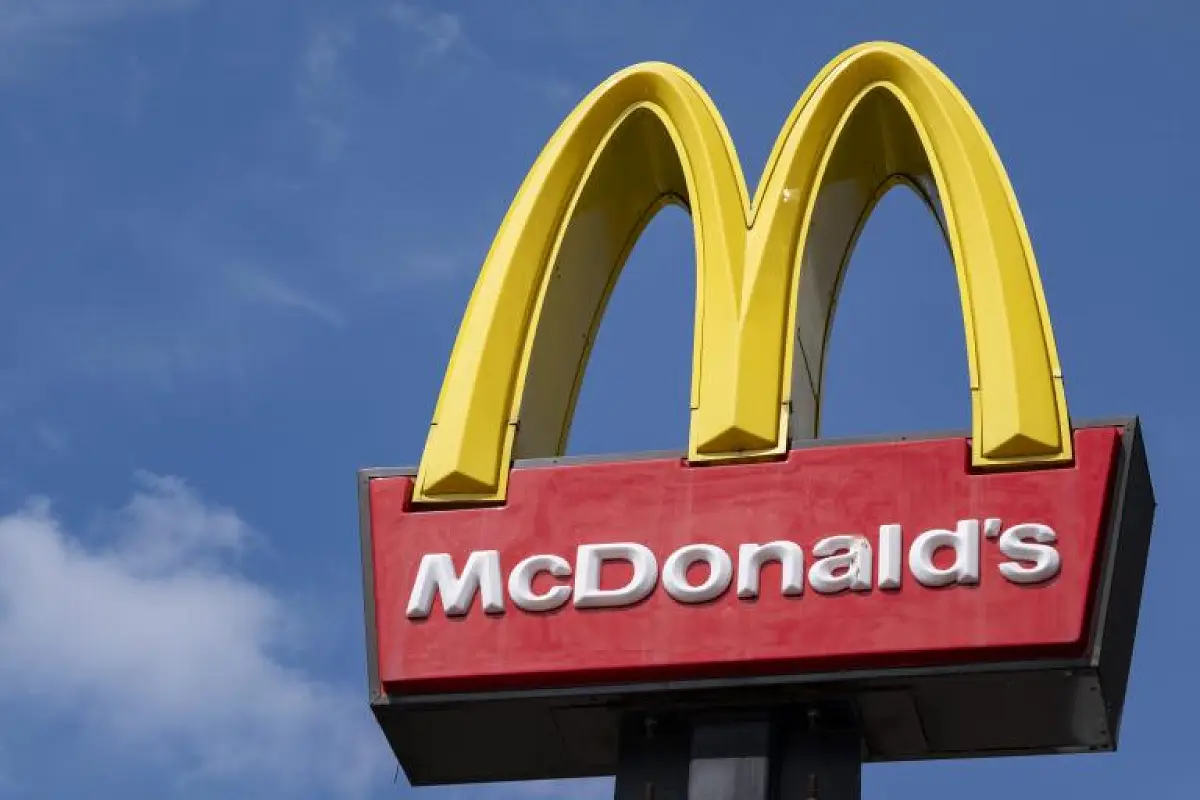
McDonald’s protein menu 2026 may begin with a sign most people have seen a thousand times. In a photograph, the golden arches curve against a deep blue sky with a few soft clouds. Below them, a red panel carries the white name of the chain. The shapes are bold and familiar, and for decades they have stood for the same idea, which was more food for the money.
That idea is now being tested. Fortune reported on Oct. 1, 2026, that the company is exploring a new $8.5 billion, decade long overhaul called McDonald’s Next. The plan points toward smaller, more flexible portions and protein first choices. The target is a customer who eats differently than the one the arches were built for.
The report says the chain is only exploring the idea. McDonald’s did not respond to Fortune’s request for comment. Even so, the details show where the fast food giant sees its next chapter.
What McDonald’s Protein Menu 2026 Could Include
The company is considering grilled chicken sandwiches and wraps. It is also weighing crispy chicken and burger bowls, along with egg bites. Each item fits a simple aim, more protein in portions guests can control.
The shift has already started on the screen. In April, McDonald’s added protein badges to its app and restaurant kiosks for 17 menu items. The company says more than 30 items now contain at least 15 grams of protein.
Chief executive Chris Kempczinski told CNBC this week that the chain will evolve its menu to match where consumers are heading. The remark matters because it frames the change as a response to demand, not a marketing stunt. It also shows the company is paying close attention to a new kind of diner.
The McDonald’s GLP 1 Strategy and Its Customers
The McDonald’s GLP 1 strategy rests on large numbers. Skye Anderson, president of McDonald’s USA, said at the September investor day that about 30 million Americans use GLP 1 drugs. Company research suggests roughly 60 million more are looking for extra protein in their diets.
A Gallup report from July found that 11 percent of American adults use GLP 1 medications. That figure is consistent with the 30 million estimate. McDonald’s also says 84 percent of households with a GLP 1 user already visit the chain.
That last number changes the picture. The company is not trying to win a new crowd. It is trying to keep the customers it has, whose orders are shifting toward more protein and more control over portion size.
Do GLP 1 Users Still Eat Out?
Research suggests they do, though they order differently. Circana found that GLP 1 users cut the number of items per visit by about 1 percent. They moved away from sides, snacks and breads. About 63 percent said they were seeking more vegetables, and 55 percent wanted more fruit.
Circana analyst David Portalatin said the biggest change will be how people eat out and what they order, not whether they stop going. The firm estimates that households with a GLP 1 user made up 23 percent of U.S. households in 2025. It projects those homes could account for 35 percent of food and beverage units sold by 2030.
The National Restaurant Association found that GLP 1 users reported 7.6 restaurant purchases in the week before its survey, compared with 5.1 for non users. Yet nearly half said they dined out less often after starting the drugs. The two findings show a market that is active but changing.
The Proteinmaxxing Wave Behind the Menu Shift
The pressure comes from a wider proteinmaxxing food trend. Euromonitor says high protein foods, drinks and supplements generated more than 3 trillion dollars in global retail sales in 2025. It projects global protein demand will rise 11 percent from 2024 to 2029.
Younger shoppers increasingly want function built into what they already eat, according to Scott Dicker of the data firm SPINS. A 2026 study in Food Policy also found that GLP 1 use raised willingness to pay for most of the protein products examined. In short, protein has become a selling point across the whole food system.
What It Means for Restaurants Big and Small
A shift of this size will reach every dining room, from the largest chain to the smallest family restaurant. Large brands can spend billions to adapt. Small operators must adapt with far less room for error, and some do not make it, as in the closing of Conley's Place Restaurant Spokane Valley after decades of service.
Caution is also warranted here. The plan is still under exploration, and the report gives no launch dates or menu prices. Survey results can change as habits settle. Readers can learn more about the brand on the McDonald’s official website.
Beneath the Golden Arches
Look at the sign again. The arches have not changed shape in a long time, and the sky behind them does not care. What changes is the order spoken at the counter.
Somewhere a customer glances at a protein badge on a kiosk and chooses a smaller portion. That small decision, repeated millions of times, is what an $8.5 billion plan hopes to meet. For McDonald’s protein menu 2026, the future of fast food may be decided one quiet tap at a time.