Sunrise Garden Restaurant Showcases Nature-Integrated Design in Modern Dining Architecture
Sunrise Garden Restaurant highlights innovative nature-integrated architecture, blending greenery and modern design to redefine immersive dining experiences in 2026.
 Prajakta Sanjay Warwadkar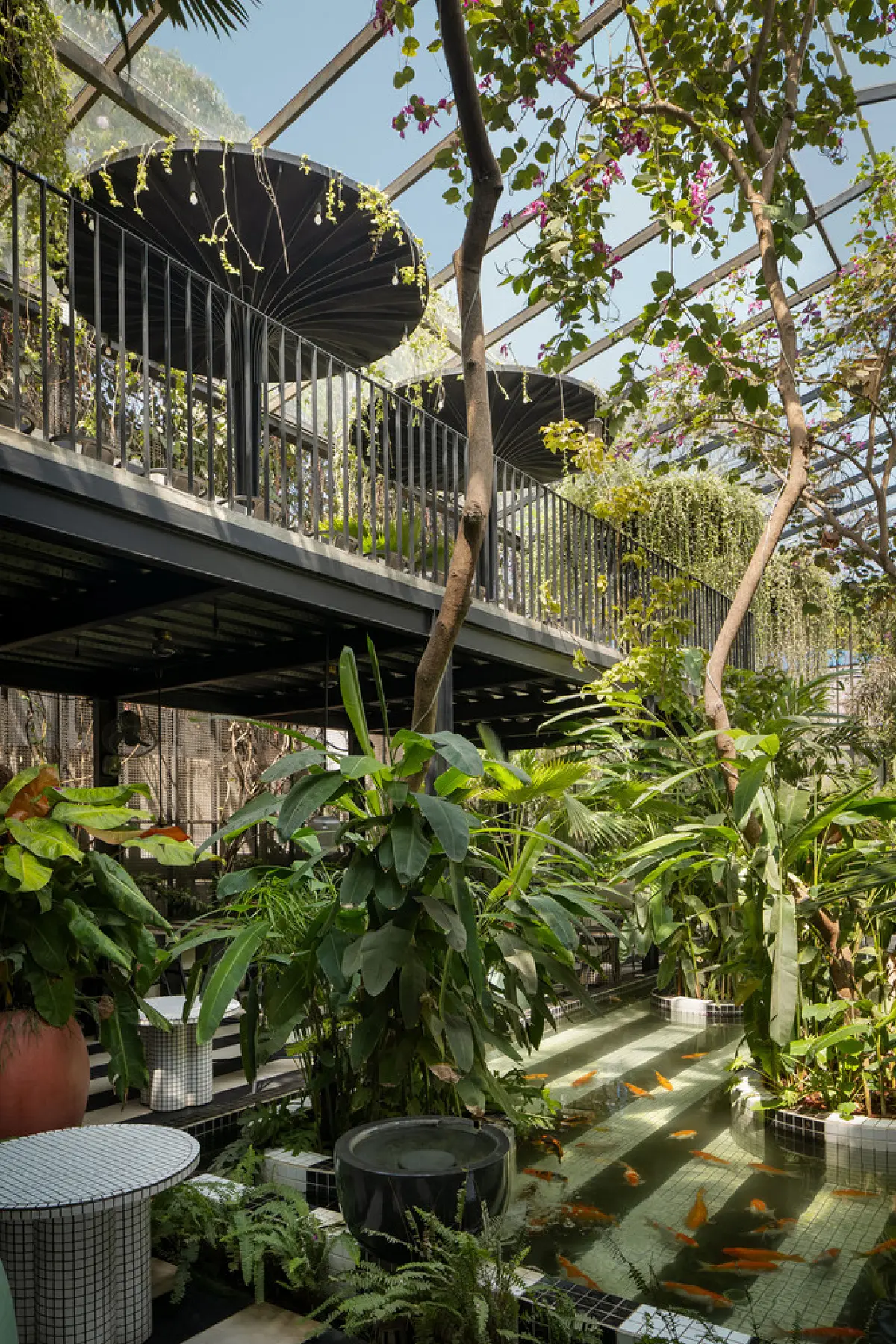
Sunrise Garden Restaurant Showcases Nature-Integrated Design in Modern Dining Architecture
Sunrise Garden Restaurant has emerged as a standout example of nature-integrated architecture in 2026, combining modern design principles with natural elements to create an immersive dining experience. Designed by M9 Design Studio and located in a contemporary urban setting, the project reflects a growing trend in the hospitality industry toward sustainability, biophilic design, and experience-driven environments.
The restaurant reimagines traditional dining spaces by seamlessly blending indoor and outdoor elements, offering guests a tranquil environment that emphasizes greenery, natural light, and organic materials. The concept responds to evolving consumer preferences for spaces that promote well-being while delivering visually engaging and memorable dining experiences.
Blending Architecture with Nature
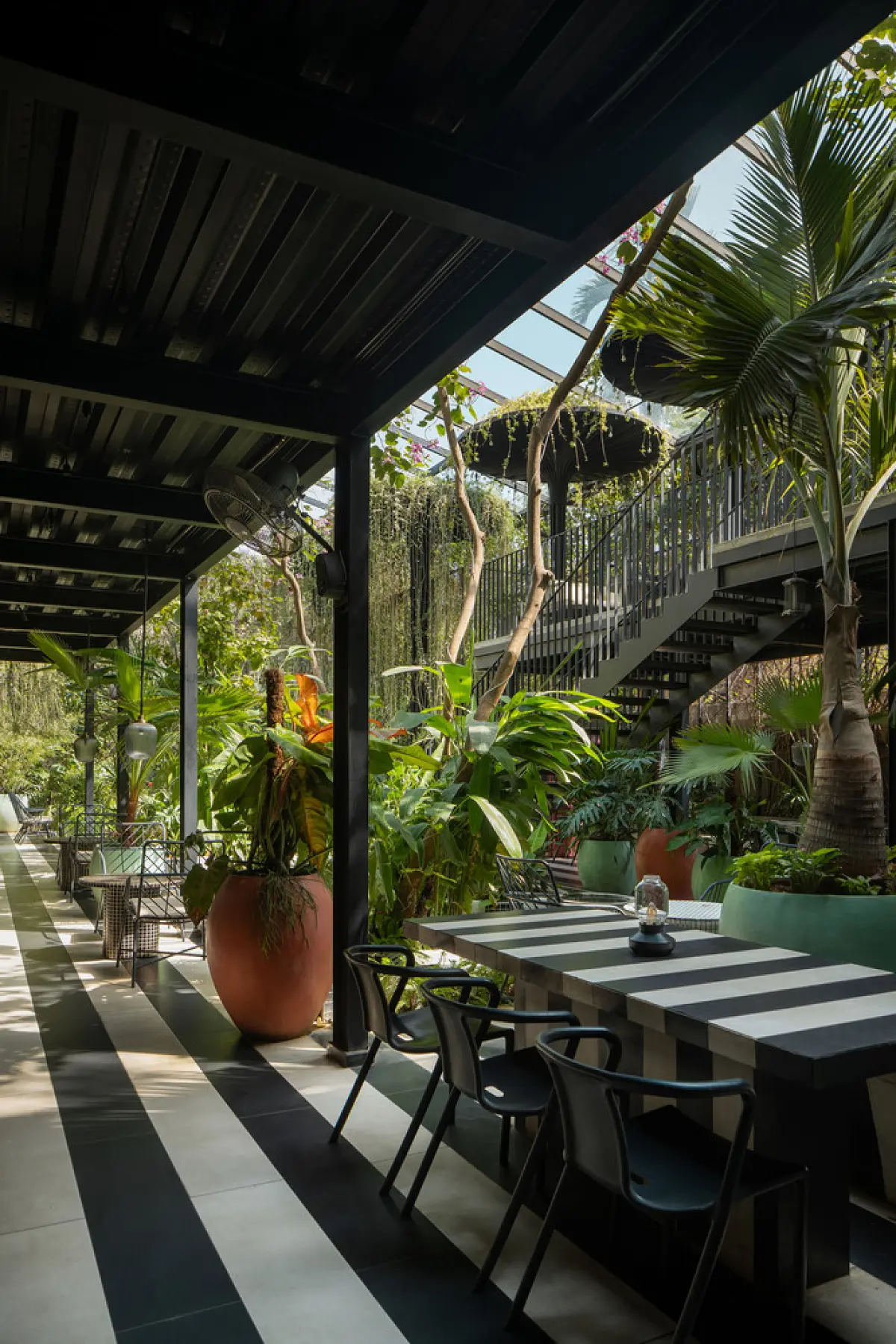
At the core of Sunrise Garden Restaurant’s design is the integration of natural elements into the built environment. The layout incorporates lush greenery, open-air sections, and landscaped features that create a garden-like atmosphere within the restaurant space.
Large glass panels and open structures allow natural light to flood the interiors, reducing the need for artificial lighting while enhancing the visual connection between guests and the surrounding environment. This approach reflects the principles of biophilic design, which seeks to strengthen the relationship between people and nature.
The result is a space that feels both contemporary and organic, offering a calming contrast to traditional urban dining environments.
Focus on Sustainability
Sustainability plays a key role in the design and operation of Sunrise Garden Restaurant. The use of eco-friendly materials, energy-efficient systems, and natural ventilation contributes to reduced environmental impact while maintaining high aesthetic standards.
Designers have incorporated locally sourced materials and sustainable construction techniques to minimize the project’s carbon footprint. Water features and plant installations are carefully managed to ensure efficient resource usage, aligning with broader environmental goals.
This focus on sustainability reflects a growing commitment within the hospitality industry to adopt greener practices and meet increasing consumer demand for environmentally responsible businesses.
Enhancing the Dining Experience
The design of Sunrise Garden Restaurant goes beyond aesthetics, playing a central role in shaping the overall dining experience. The integration of natural elements creates a sensory environment that enhances relaxation and engagement for guests.
Seating arrangements are designed to offer both privacy and openness, catering to different dining preferences. The presence of greenery and natural textures contributes to a more inviting and comfortable atmosphere, encouraging longer stays and repeat visits.
Such experience-focused design is becoming increasingly important as restaurants compete not only on food quality but also on ambiance and customer engagement.
Innovative Use of Space
The restaurant makes efficient use of space by incorporating multi-level layouts and flexible seating areas. Outdoor terraces, semi-open zones, and indoor dining sections are interconnected, allowing for a dynamic flow of movement and varied guest experiences.
This adaptability enables the restaurant to accommodate different group sizes and occasions, from casual dining to private gatherings. The design also allows for seasonal adjustments, ensuring functionality throughout the year.
The innovative use of space highlights how architecture can enhance operational efficiency while maintaining a strong visual identity.
Design as a Brand Differentiator
In an increasingly competitive hospitality market, design has become a key differentiator for restaurant brands. Sunrise Garden Restaurant leverages its architectural concept to create a unique identity that sets it apart from conventional dining establishments.
The visually striking environment not only attracts customers but also encourages social media engagement, as guests are drawn to share their experiences online. This organic promotion contributes to brand visibility and customer acquisition.
By investing in design, the restaurant positions itself as a destination rather than just a place to eat.
Responding to Consumer Trends
The project reflects broader consumer trends in 2026, where diners increasingly seek holistic experiences that combine food, ambiance, and well-being. The demand for nature-inspired spaces has grown significantly, driven by urban lifestyles and a desire for relaxation.
Restaurants that incorporate these elements are better positioned to meet evolving expectations and attract a diverse customer base. The emphasis on comfort, aesthetics, and sustainability aligns with the preferences of modern diners.
Sunrise Garden Restaurant demonstrates how design can be used strategically to respond to these trends.
Challenges in Implementation
While nature-integrated design offers numerous benefits, it also presents challenges in terms of maintenance, cost, and operational complexity. Managing plant life, ensuring proper ventilation, and maintaining structural integrity require careful planning and ongoing investment.
Designers and operators must balance aesthetic goals with practical considerations to ensure long-term viability. This includes selecting durable materials and implementing efficient maintenance systems.
Despite these challenges, the success of projects like Sunrise Garden Restaurant highlights the potential of such concepts when executed effectively.
Influence on Future Restaurant Design
The rise of nature-integrated architecture is expected to influence future restaurant developments, with more operators exploring similar concepts. As sustainability and experience become central to the industry, design innovation will play a critical role in shaping the next generation of dining spaces.
Architects and designers are likely to continue experimenting with new materials, layouts, and technologies to create environments that are both functional and inspiring.
The success of Sunrise Garden Restaurant serves as a case study for how thoughtful design can enhance both customer experience and business performance.
Conclusion
Sunrise Garden Restaurant exemplifies the growing importance of nature-integrated design in the hospitality industry, offering a model for how architecture, sustainability, and customer experience can come together to redefine modern dining in 2026.