The Architectural Zen of Sushi Ichi Restaurant in Tokyo: A Masterclass in Minimalist Interior Design
Explore the stunning interior design of Sushi Ichi Restaurant in Tokyo. Discover how minimalist Japanese architecture and luxury dining converge in Minato City.
 Prajakta Sanjay Warwadkar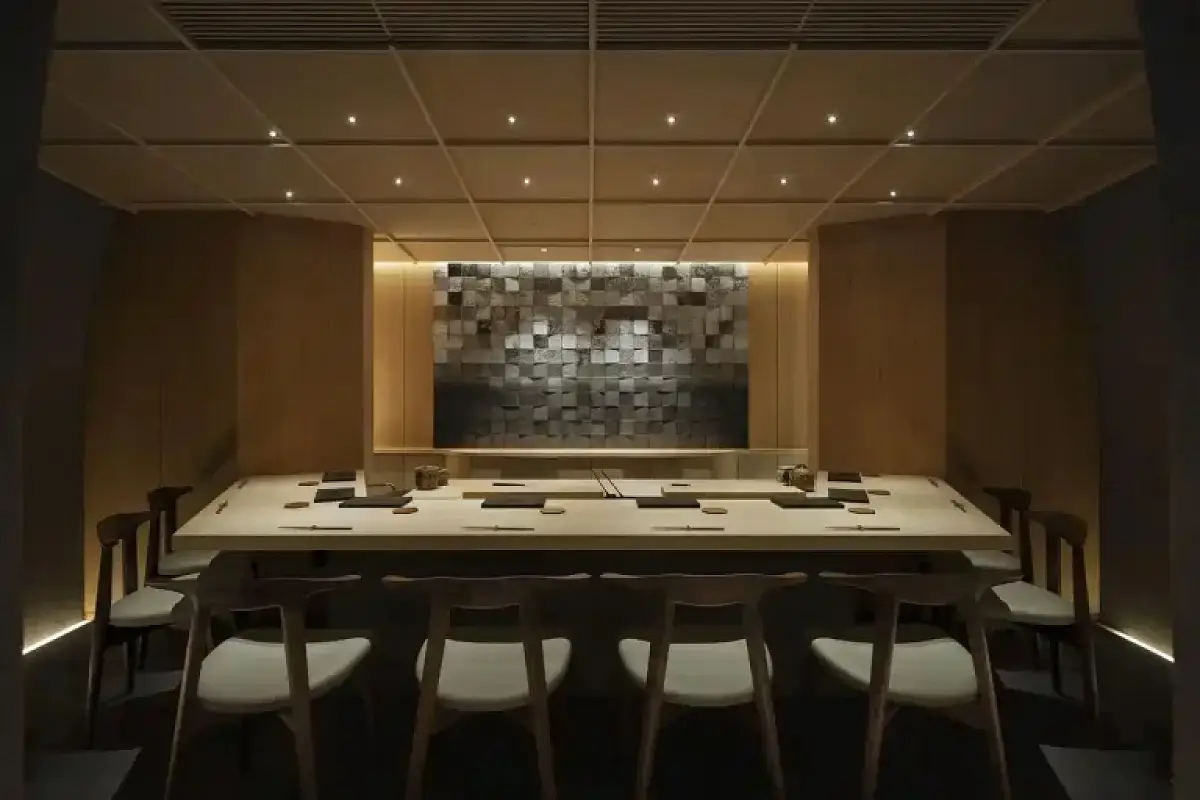
Sushi Ichi Restaurant in Tokyo: Where High-End Architecture Meets Culinary Mastery
Talk in the kitchens is getting quieter—but sharper—around Minato City. Operators and designers are pointing to one address: the Sushi Ichi Restaurant in Tokyo, where the room does as much work as the chef.
This isn’t just another omakase counter. It’s a controlled environment. Every surface, every shadow, every seat is tuned to push focus back to the plate.
And in 2026, that level of control is what high-end diners are paying for.
The Architectural Philosophy of Minato City’s Finest
The Sushi Ichi Restaurant in Tokyo strips things down hard. No clutter. No visual noise. Just raw material and clean lines.
Set inside Minato City’s corporate density, the room cuts itself off from the outside. Step in, and the pace drops immediately.
Materiality and the Use of Hinoki Wood
The counter leads everything. One solid slab of Hinoki wood. Clean grain. Light tone. Subtle scent.
It’s not decoration. It’s the stage.
Guests sit inches away as the chef works. No barrier. No distraction. Just product and precision.
This push toward natural materials ties directly to current restaurant growth patterns—guests want authenticity they can see and smell.
Lighting as a Narrative Tool
Lighting at the Sushi Ichi Restaurant in Tokyo doesn’t flood the room. It controls it.
The Play of Light and Shadow
No harsh overheads. Just soft, indirect glow. Fish colors stay sharp. Knife work stays visible.
Shadows are used with intent. They frame the counter. They stretch the room. They create privacy without walls.
The light shifts as the meal moves. Subtle, but noticeable.
And there’s no weak seat in the house.
Traditional Craftsmanship in a Modern Context
The Sushi Ichi Restaurant in Tokyo looks modern. But it’s built old-school.
Artisanal Plaster and Stone Work
No exposed screws. No shortcuts. Joinery stays clean and tight.
Walls use traditional plaster. Soft finish. Sound gets absorbed fast.
Stone elements add weight at entry points and private sections.
The result feels built by hand. Not assembled.
The Psychology of the Sushi Counter
The counter inside the Sushi Ichi Restaurant in Tokyo isn’t just design. It controls behavior.
Creating Intimacy in Urban Spaces
Height. Depth. Distance. All measured tight.
Plates move cleanly. Eye contact stays natural. Guests stay focused.
Despite Tokyo’s density, the room feels isolated. Quiet. Personal.
Entry transitions slow guests down before seating. That shift matters.
Function Meets Beauty: The Chef’s Workspace
Behind the counter, the Sushi Ichi Restaurant in Tokyo runs like a machine.
Integration of Hidden Technology
Tools sit exactly where they’re needed. No wasted movement.
Fridges, cooling units, and systems stay hidden behind custom panels.
The room looks Edo-era. The backend runs modern.
Ventilation stays invisible. No smoke. No smell drift. Just clean product aroma.
The Cultural Significance of Minimalist Dining
Dining at the Sushi Ichi Restaurant in Tokyo is a cultural play as much as a food one.
Refining the Luxury Experience
Luxury here isn’t loud. It’s controlled.
Less material. More intent. That’s the shift in 2026.
Wood. Light. Stone. That’s all they need.
And that restraint is what pulls global diners through the door.
Frequently Asked Questions (FAQ)
Where is Sushi Ichi located in Tokyo?
The project highlighted here sits in Minato City, though Sushi Ichi also operates a well-known Ginza location.
What makes the interior of Sushi Ichi Restaurant in Tokyo special?
A Hinoki wood counter, traditional plaster walls, and tightly controlled lighting define the space.
Is a reservation required for Sushi Ichi?
Yes. Seats are limited, and demand stays high. Bookings are typically made weeks ahead.
Does the architecture influence the price of the meal?
Yes. Material quality, design execution, and limited seating all feed into premium omakase pricing.
Conclusion
The Sushi Ichi Restaurant in Tokyo proves one thing clearly: the room matters as much as the fish.
By cutting noise and tightening focus, it delivers a controlled, high-value dining play.
In Minato City, that formula is holding strong—and the industry is watching closely.
Read more : https://hospitalitycareerprofile.com/