Thai Chef Brings Family Heritage to the Table with Dara Restaurant Concept in 2026
A Thai chef is introducing authentic family recipes at Dara restaurant, blending cultural heritage with modern dining to create a unique culinary experience in 2026.
 Prajakta Sanjay Warwadkar
Thai Chef Brings Family Heritage to the Table with Dara Restaurant Concept in 2026
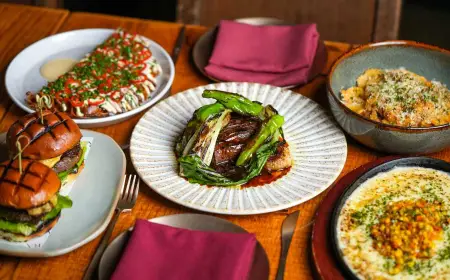
A Thai chef has introduced a new dining concept at Dara restaurant in 2026, focusing on authentic family recipes passed down through generations, offering diners a culturally rich culinary experience rooted in tradition. The restaurant showcases heritage-driven cuisine while aligning with growing consumer demand for authenticity and storytelling in the global hospitality industry.
The concept centers on recreating dishes inspired by the chef’s grandmother’s recipes, blending traditional Thai cooking techniques with a contemporary presentation. The initiative reflects a broader movement within the restaurant sector, where chefs are increasingly drawing on personal histories to differentiate their offerings and connect with customers on a deeper level.
Preserving Culinary Heritage Through Family Recipes
Dara restaurant’s menu is built around recipes that have been preserved within the chef’s family, emphasizing the importance of cultural continuity in modern dining. These dishes highlight traditional ingredients, preparation methods, and flavor profiles that reflect regional Thai cuisine.
By bringing these recipes into a restaurant setting, the chef aims to preserve culinary traditions while introducing them to a wider audience. This approach also allows diners to experience a more personal and authentic representation of Thai food, moving beyond standardized or commercialized versions.
The focus on heritage is resonating with customers who are increasingly seeking meaningful dining experiences that go beyond taste to include cultural and emotional connections.
Authenticity as a Key Driver of Dining Trends
The rise of restaurants like Dara underscores a growing trend in the hospitality industry, where authenticity has become a key factor in attracting and retaining customers. Diners are showing greater interest in food that tells a story, reflects its origins, and maintains traditional integrity.
This shift is influencing menu development, with chefs prioritizing regional specialties, traditional cooking techniques, and high-quality ingredients. Authenticity is also being used as a branding tool, helping restaurants stand out in competitive markets.
Industry observers note that authenticity not only enhances customer satisfaction but also builds trust and loyalty, which are essential for long-term success.
Blending Tradition with Modern Presentation
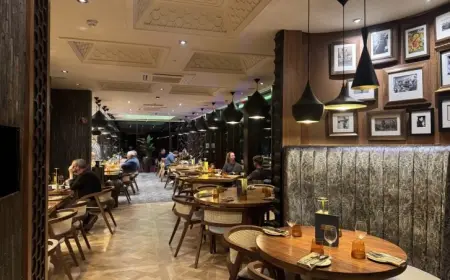
While the recipes at Dara restaurant are rooted in tradition, the presentation and dining experience incorporate modern elements to appeal to contemporary audiences. This balance between tradition and innovation allows the restaurant to maintain authenticity while meeting evolving customer expectations.
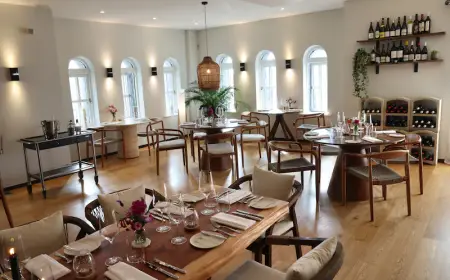
Plating techniques, interior design, and service style are designed to complement the culinary offerings, creating a cohesive and engaging dining experience. This integration reflects a broader industry trend toward combining cultural heritage with modern aesthetics.
The approach also enables the restaurant to attract a diverse customer base, including younger diners who value both authenticity and visual appeal.
Chef-Driven Concepts Gain Momentum
The success of Dara restaurant highlights the increasing importance of chef-driven concepts in the global dining landscape. Chefs are becoming central figures in shaping restaurant identities, using their personal stories and culinary philosophies to create unique experiences.
This trend is particularly evident in independent and boutique establishments, where individuality and creativity are key differentiators. By sharing personal narratives, chefs can establish a stronger connection with their audience and build a distinctive brand.
The emphasis on chef-led storytelling is also influencing marketing strategies, with restaurants leveraging these narratives to engage customers through digital and social media platforms.
Consumer Demand for Cultural Experiences
Consumers are increasingly viewing dining as an opportunity to explore different cultures and traditions. Restaurants like Dara cater to this demand by offering immersive experiences that reflect the heritage and identity of their cuisine.
The inclusion of traditional recipes, cultural elements, and storytelling enhances the overall dining experience, making it more memorable and meaningful. This trend is particularly strong among urban populations and international travelers seeking diverse culinary experiences.
The growing interest in cultural dining is expected to continue shaping the restaurant industry, encouraging operators to explore new ways of presenting their culinary heritage.
Operational Challenges and Opportunities
While heritage-driven concepts offer significant opportunities, they also present challenges. Maintaining authenticity requires careful sourcing of ingredients and adherence to traditional methods, which can increase operational complexity and costs.
Additionally, balancing authenticity with scalability can be difficult, particularly for restaurants looking to expand or standardize operations. Ensuring consistency while preserving the integrity of traditional recipes is a key consideration.
However, these challenges also create opportunities for differentiation, as restaurants that successfully navigate them can establish strong market positions and customer loyalty.
Impact on the Hospitality Industry
The emergence of concepts like Dara restaurant reflects a broader evolution in the hospitality industry, where cultural authenticity and storytelling are becoming central to business strategies. This shift is influencing how restaurants design menus, market their offerings, and engage with customers.
By focusing on heritage and personal narratives, restaurants can create unique value propositions that resonate with modern consumers. This approach also contributes to the preservation and promotion of culinary traditions on a global scale.
The trend is expected to drive further innovation, as chefs and restaurateurs explore new ways to integrate tradition with contemporary dining experiences.
Future Outlook for Heritage-Based Dining
The outlook for heritage-based dining concepts remains strong, with increasing consumer interest in authentic and culturally rich experiences. Restaurants that can effectively combine tradition, quality, and innovation are likely to succeed in this evolving landscape.
As global connectivity continues to expose diners to diverse cuisines, the demand for genuine and meaningful food experiences is expected to grow. This creates opportunities for chefs to showcase their heritage and bring unique culinary stories to the forefront.
Dara restaurant’s approach exemplifies how personal history and cultural authenticity can be leveraged to create compelling dining concepts in a competitive market.
Conclusion
The launch of Dara restaurant highlights the growing importance of heritage-driven dining, as chefs increasingly turn to family traditions to create authentic and engaging culinary experiences for modern consumers.