Tashkent Air Takes Flight: Uzbekistan’s Bold New Link to Moscow, St. Petersburg, and Vladivostok Sparks Aviation Growth: What Travelers Must Know Now
 Munni Khatun

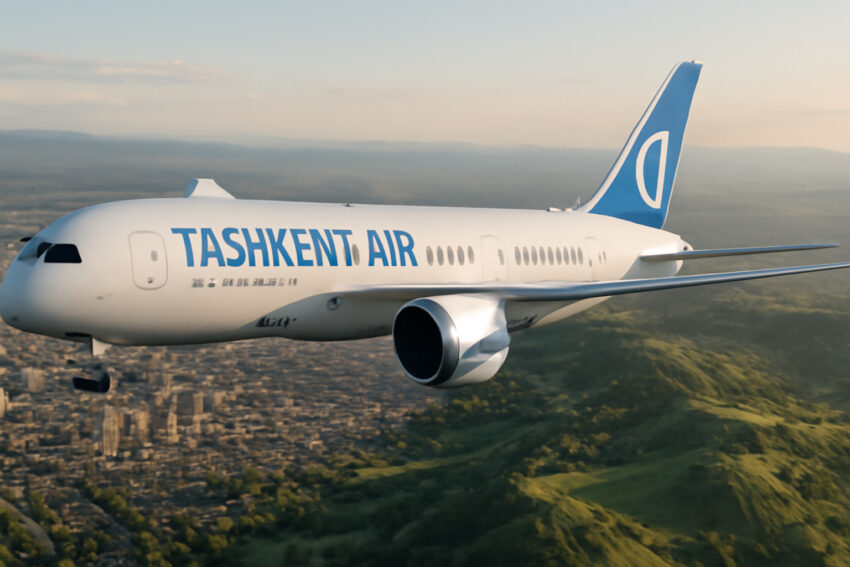
Uzbekistan’s aviation sector is soaring to new heights as Tashkent Air, the country’s newest airline, officially launches its first commercial flights on June 2, 2025. This fresh player in Central Asia’s skies is setting a dynamic course by connecting historic Uzbek cities such as Tashkent, Bukhara, Samarkand, and Termez directly with key Russian destinations: Moscow, St. Petersburg, and Vladivostok. With the deployment of its wide-body Airbus A330-200, Tashkent Air promises a modern and comfortable travel experience, positioning itself to meet the growing demand for air travel in the region.
The airline’s entry into the market is not just about expanding flight options—it symbolizes Uzbekistan’s ambitious push to capitalize on booming civil aviation growth. In the first quarter of 2025, Uzbekistan recorded a remarkable 16.9% increase in passenger traffic compared to the same period in 2024, reaching 1.7 million travelers. Tashkent Air’s launch taps into this upward trend, offering new routes that enhance connectivity between Central Asia and Russia while laying the groundwork for future expansion into broader Asian and European markets.
This feature unpacks the significance of Tashkent Air’s inaugural routes, explores Uzbekistan’s evolving aviation landscape, and sheds light on the strategic implications for regional tourism and business travel. The rise of Uzbekistan’s air connectivity represents a vital development for international travelers, industry stakeholders, and economic growth alike.
Uzbekistan’s Aviation Renaissance: Setting the Stage for Tashkent Air’s Launch
Uzbekistan has long been a crossroads of history, culture, and commerce along the ancient Silk Road. Today, the country is reinventing itself as a modern travel hub with expanding infrastructure and ambitious airline strategies. Tashkent Air’s launch highlights several important industry dynamics:
- Growing Passenger Traffic: Uzbekistan’s civil aviation market is experiencing robust growth, with 1.7 million travelers passing through its airports in early 2025.
- Diverse Airline Ecosystem: Tashkent Air joins six other domestic passenger airlines, including the flagship carrier Uzbekistan Airways, creating healthy competition and new service options.
- Modern Fleet Investment: Operating a wide-body Airbus A330-200, Tashkent Air aims to offer spacious cabins and long-haul capacity, distinguishing itself from regional competitors.
- Strategic Route Network: Initial routes focus on Russia’s most important cities—Moscow and St. Petersburg as political and economic centers, and Vladivostok as a gateway to Russia’s Far East.
Tashkent Air’s Launch: A Strategic Move for Uzbekistan and Beyond
Tashkent Air’s commercial operations starting in June 2025 are the result of careful planning and successful test flights conducted earlier this year. The airline’s strategy is clear: connect Uzbekistan’s historic and economic centers with key Russian markets while preparing for broader international expansion.
Key features of the launch include:
- Four Uzbek Cities Connected: Tashkent, Bukhara, Samarkand, and Termez provide geographic diversity, linking northern and southern Uzbekistan to Russia.
- Focus on Major Russian Destinations: Moscow and St. Petersburg routes cater to business travelers, tourists, and expatriates, while Vladivostok offers access to the Russian Far East and Asia-Pacific.
- Wide-Body Aircraft Deployment: The Airbus A330-200 allows for greater passenger capacity and cargo capability, supporting potential future long-haul flights.
- Future Expansion Plans: Beyond Russia, the airline aims to open routes to Europe and Asia, enhancing Uzbekistan’s global aviation footprint.
Uzbekistan’s Civil Aviation Growth: A Market on the Rise
The rapid rise in Uzbekistan’s air passenger traffic underscores a transformative period for the country’s travel and tourism industries. Several factors are driving this surge:
- Economic Development: Uzbekistan’s expanding economy is fueling increased domestic and international travel.
- Tourism Promotion: Government initiatives promoting Uzbekistan’s cultural heritage and Silk Road destinations are attracting more visitors.
- Infrastructure Investments: Airport modernizations and new airline entrants are improving service quality and capacity.
- Regional Connectivity: Uzbekistan is strategically positioned as a gateway between Central Asia, Russia, and beyond.
The 16.9% increase in passenger numbers in early 2025 compared to 2024 reflects the success of these combined efforts, providing fertile ground for Tashkent Air to thrive.
Implications for Tourism and Business Travel
The new routes operated by Tashkent Air hold significant promise for both leisure and business travelers:
- Enhanced Accessibility: Direct flights from Uzbekistan’s historic cities to Russian hubs reduce travel time and increase convenience.
- Tourism Growth: Easier connectivity encourages tourist flows between Uzbekistan and Russia, stimulating hospitality, cultural, and retail sectors.
- Business Opportunities: Improved air links support trade, investment, and corporate travel, strengthening economic ties.
- Cultural Exchange: New flight routes foster greater people-to-people connections, enriching cross-cultural understanding.
Competitive Landscape: Uzbekistan’s Expanding Airline Market
Tashkent Air joins a competitive aviation market where several domestic carriers operate alongside international airlines. The current airline ecosystem includes:
- Uzbekistan Airways: The national carrier with an extensive international network.
- Qanot Sharq: Known for regional connectivity.
- Fly Khiva: Focused on niche destinations.
This diversity benefits travelers by offering multiple options and stimulating service improvements.
Looking Ahead: What Tashkent Air’s Growth Means for the Region
Tashkent Air’s ambitions to expand beyond Russia into Asia and Europe are in line with Uzbekistan’s broader goals to enhance its role in international aviation. This growth trajectory is expected to:
- Increase Uzbekistan’s tourism appeal globally.
- Position the country as a key transit hub in Central Asia.
- Attract investment in airport infrastructure and services.
- Support sustainable aviation growth aligned with regional economic plans.
Summary
The launch of Tashkent Air’s flights connecting Tashkent, Bukhara, Samarkand, and Termez with Moscow, St. Petersburg, and Vladivostok marks a major milestone in Uzbekistan’s aviation history. Riding a wave of increasing passenger demand and infrastructure modernization, the airline’s debut offers a fresh travel option with its modern Airbus A330-200 fleet. These routes are set to boost tourism, business travel, and cultural ties between Uzbekistan and Russia, while positioning the airline for future growth across Asia and Europe.
As Uzbekistan’s civil aviation market continues its impressive growth, Tashkent Air’s emergence underscores the country’s strategic importance as a growing travel hub in Central Asia. With competitive airlines already operating domestically and regionally, this latest entrant is poised to invigorate the sector with new energy and expanded connectivity.
The post Tashkent Air Takes Flight: Uzbekistan’s Bold New Link to Moscow, St. Petersburg, and Vladivostok Sparks Aviation Growth: What Travelers Must Know Now appeared first on Travel And Tour World.