Beginner Telephone Handling Skills for Front Office Training
beginner telephone handling skills with SOP, call handling workflow, guest communication techniques, and service standards in hotel front office operations.
 Shah Vaibhavi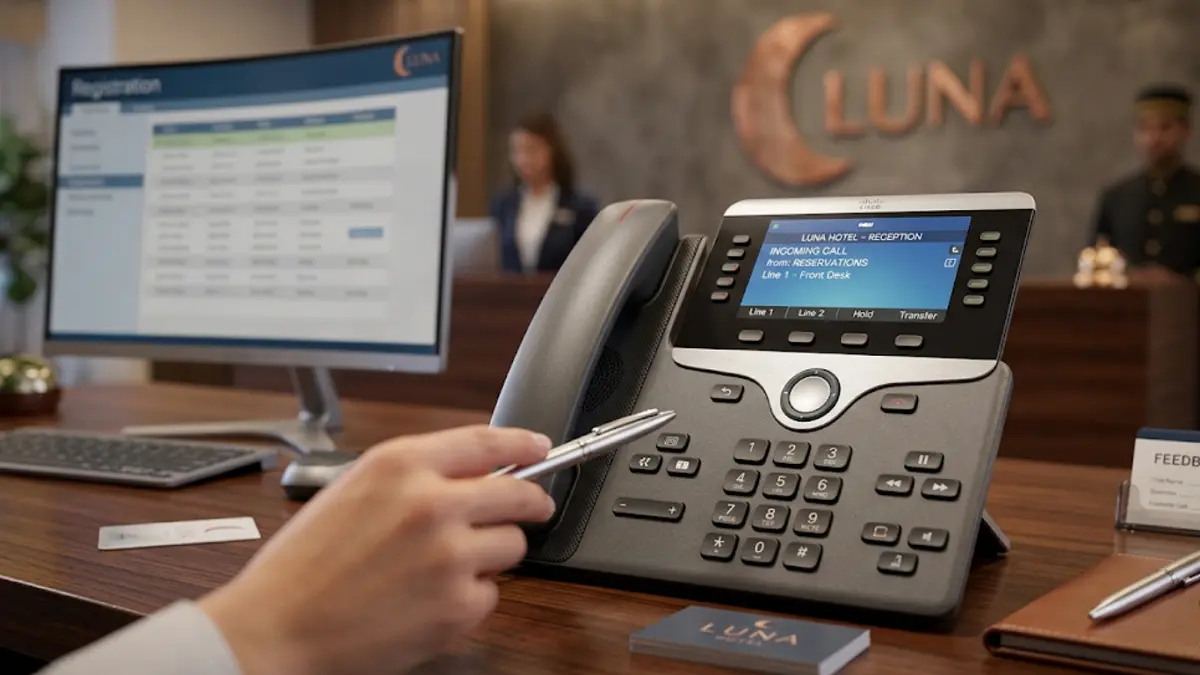
The reality of beginner telephone handling skills at the desk is simple, your voice is your first impression before the guest even sees the lobby. Get it right, and you win half the battle.
Overview of Beginner Telephone Handling Skills in Front Office
beginner telephone handling skills handling is not just picking up calls, it’s controlling the conversation.
Every call could be:
-
A booking
-
A complaint
-
Or a confused guest needing direction
And if you sound unsure, you lose trust instantly.
At the desk, your job is to sound clear, calm, and in control every single time.
Good call handling = better bookings + smoother lobby flow.
SOP Procedure for beginner telephone handling skills
Step 1: Answering the Call
Pick up within 3 rings. No delay.
Use the standard line:
“Good morning/afternoon, Front Desk, [Hotel Name], how may I assist you?”
Step 2: Voice and Tone Control
Keep your tone steady and confident.
Smile while speaking—it shows in your voice.
Step 3: Active Listening
Don’t interrupt. Let them finish.
Write down key details.
Step 4: Identifying Guest Requirement
Ask sharp questions. Get to the point fast.
Step 5: Providing Accurate Information
Only give confirmed info. No guessing.
Step 6: Call Transfer (if required)
Tell the guest before transferring.
Connect to the right department—no blind transfers.
Step 7: Placing Call on Hold
Always ask: “May I place you on hold?”
Return within 30 seconds. Not later.
Step 8: Confirmation
Repeat key details. Dates, names, requests—everything.
Step 9: Closing the Call
End clean: “Thank you for calling, have a great day.”
Step 10: Documentation
Log messages properly. If it’s not written, it’s lost.
Pro-tip: A clean call saves 3 follow-ups later.
Front Desk Workflow and Operational Steps
Call Monitoring
Don’t let phones ring out. Ever.
Call Classification
Know what it is quickly: reservation, complaint, request, or internal.
Reservation Handling
Give correct rates and availability. This is revenue talking.
Message Taking
Write full details: name, contact, request. No shortcuts.
Wake-Up Call Handling
Set it properly. Confirm it back. No mistakes here.
Internal Coordination
Pass requests clearly to housekeeping, maintenance, others.
Peak Hour Management
Multiple calls? Stay calm. Prioritize. No rushed tone.
Shift Handover
Pass pending calls/messages clearly to next shift.
Guest Interaction Process on Telephone
Your voice sets the guest’s mood.
-
Professional Greeting: Always standard, always confident
-
Clarity in Communication: Speak simple. No complicated words
-
Politeness: “Please,” “thank you,” “certainly” use them naturally
-
Personalization: Use the guest’s name when possible
Handling Difficult Calls
-
Complaints: Listen fully, then respond
-
Angry Callers: Stay calm. Never match their tone
-
Unclear Requests: Ask, don’t assume
-
Wrong Numbers: Stay polite. Always
Call Transfer Etiquette
Explain first. Then transfer.
And make sure it connects properly.
Closing Interaction
End every call clean and polite.
No rushed hang-ups.
Pro-tip: The last 5 seconds of the call decide how they remember you.
Tools and Systems Used in Telephone Handling
-
EPABX System: Controls all incoming/outgoing calls
-
Property Management System (PMS): Pull guest details fast
-
Call Log Register: Track every message clearly
-
Wake-Up Call System: Schedule and confirm calls
-
Internal Communication Systems: Connect departments quickly
-
Headsets and Telephone Devices: Keep audio clear
Use them fast. Use them right.
Service Standards and Performance Metrics
-
Answer within 3 rings
-
Hold time under 30 seconds
-
100% accurate information
-
Correct call transfer every time
-
Clear message recording
-
Immediate response to requests
-
Positive guest feedback on calls
Simple rule: If the guest repeats themselves, you weren’t listening.
Evaluation and Training Assessment
-
Role Play Training: Practice real call situations
-
Call Monitoring: Review recordings
-
Supervisor Feedback: Fix tone and clarity issues
-
Guest Feedback Analysis: Spot communication gaps
-
Performance Reviews: Check speed and accuracy
-
Mystery Calls: Test real performance under pressure
Train your ears as much as your voice.
Conclusion
beginner telephone handling skills at the front desk is pure control—of tone, pace, and information.
Keep it sharp. Keep it clear.
And remember, before the guest sees your hotel, they hear you first.
Also read: advanced communication skills for front office with SOP