Step-by-Step Handling Difficult Guests: Front Office Training Guide
Learn step-by-step handling difficult guests with SOP, communication techniques, escalation flow, and service standards in front office operations.
 Shah Vaibhavi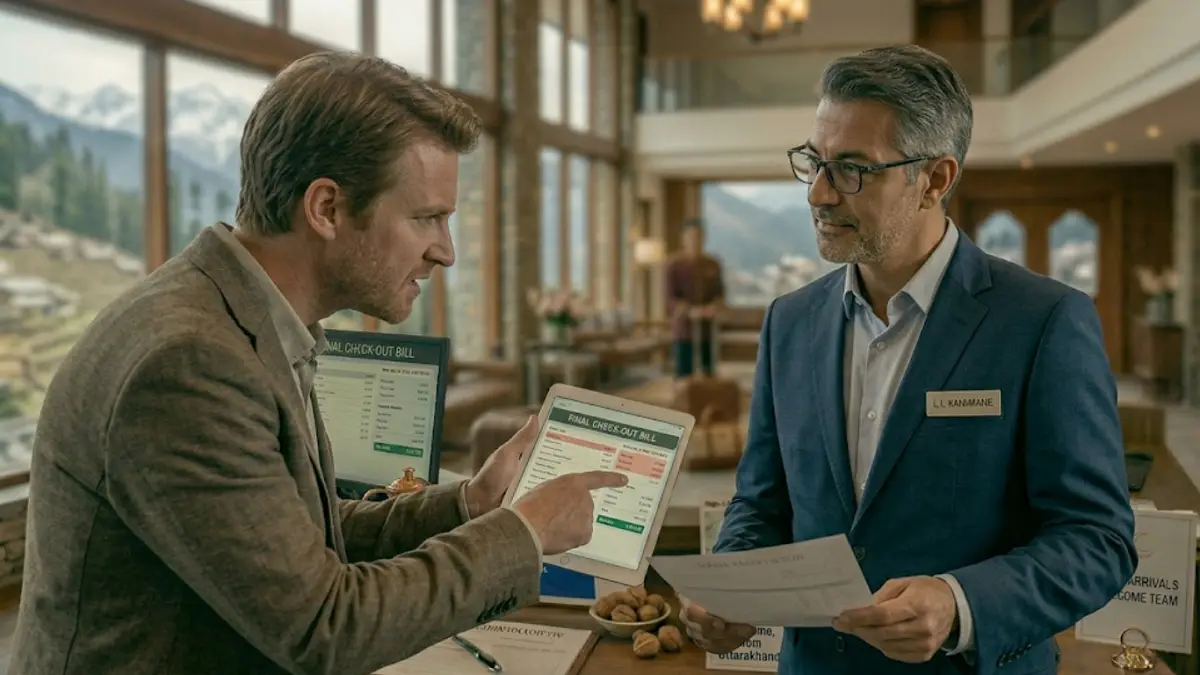
Talk behind the counter is focused on one thing—control the moment before it controls you. Difficult guests aren’t rare anymore. What matters is how fast you steady the situation and bring it back on track. So here is a step-by-step handling difficult guests procedure.
Overview of step-by-step handling difficult guests
Handling difficult guests is a structured way to deal with complaints, frustration, and high-emotion situations at the desk.
Guests push back for many reasons delays, billing issues, unmet expectations, or just a bad day. You don’t react. You manage.
At the desk, escalation is failure. Control, clarity, and speed win.
-
Stay calm, always
-
Follow the steps, don’t improvise under pressure
-
Fix the issue and reset the guest’s mood
Pro tip: You’re not just solving a problem—you’re resetting the guest’s trust.
SOP Procedure for Handling Difficult Guests
This is your playbook. Stick to it.
Step 1: Immediate Acknowledgment
Look up within 5 seconds. Eye contact. Show you’re present.
Step 2: Active Listening
Let them speak. Don’t interrupt. Don’t defend.
Step 3: Show Empathy
Use simple lines: “I understand” or “I see your concern.”
Step 4: Apologize Appropriately
Apologize even if it’s not your fault. This lowers tension fast.
Step 5: Clarify the Issue
Repeat the problem back. Make sure you got it right.
Step 6: Offer Solution
Give a clear fix within hotel policy. No vague answers.
Step 7: Take Action
Act immediately or call the right department.
Step 8: Escalate if Required
If stuck, bring in the supervisor or duty manager—early, not late.
Step 9: Follow-up
Check back in 10–15 minutes. Confirm it’s resolved.
Step 10: Document the Case
Log everything in PMS or logbook. No gaps.
Pro tip: Speed + clarity beats over-explaining every time.
Front Desk Workflow and Operational Steps
You handle the guest and protect the lobby flow.
-
Complaint Identification: Watch for tone, body language, repeat complaints
-
Isolation: Move to a quieter spot if things heat up
-
Information Check: Verify details in PMS before speaking
-
Department Coordination:
-
Housekeeping → room issues
-
Maintenance → technical faults
-
F&B → dining complaints
-
Accounts → billing issues
-
-
Resolution Execution: Close within 10–30 minutes
-
Queue Control: Don’t let one case block the line
Pro tip: One angry guest can disrupt ten calm ones—contain it early.
Guest Interaction Process and Communication Techniques
This is where most staff slip. Control your delivery.
-
Body Language: Neutral, steady, no crossed arms
-
Voice: Slow, calm, controlled
-
Empathy Lines: Keep them short and real
-
No Arguments: Ever
-
Positive Language: Say what you can do, not what you can’t
-
Confidence: Sound sure, even under pressure
Common Scenarios:
-
Angry Guest: Stay quiet, let them vent, then respond
-
Demanding Guest: Set limits, offer options
-
Confused Guest: Break it down simply
-
Repeat Complaints: Escalate early
-
Unreasonable Guest: Stay polite, involve manager
Pro tip: Your tone decides whether the situation cools down or blows up.
Tools and Systems Supporting Complaint Handling
Use your systems. Don’t guess.
-
Property Management System (PMS): Guest details, booking, history
-
Guest History Records: Spot repeat patterns
-
Complaint Logbook: Track every case
-
Internal Communication Tools: Fast coordination
-
Escalation Matrix: Know who takes over
-
Service Recovery Guidelines: Compensation rules
Pro tip: Data backs you up—always check before you speak.
Service Standards and Performance Metrics
You’re measured on control and speed.
-
Response Time: Within 5 seconds
-
Listening: No interruption
-
Resolution Time: 10–30 minutes
-
Escalation: Immediate when needed
-
Guest Recovery: Positive outcome after issue
-
Documentation: 100% logged
Pro tip: Fast response calms guests more than perfect solutions.
Evaluation and Training Assessment
This is trained, not natural.
-
Role plays for real pressure situations
-
Supervisor watching live interactions
-
Guest feedback tracking
-
Mystery audits during peak hours
-
Performance reviews on behavior and decision-making
-
Case study breakdowns of past issues
Focus areas:
-
Emotional control
-
Clear communication
-
Quick decisions
Pro tip: The best staff aren’t the fastest—they’re the most controlled under pressure.
In conclusion
Handling difficult guests is a desk skill you earn, not learn once. Follow the steps, control your tone, act fast, and close clean.
Do it right, and you don’t just fix problems—you protect the hotel’s reputation in real time.
Also read: Hotel standard check out procedure