Stress Management SimpleTraining for Front Office Receptionist
Learn stress management training for front office receptionist with SOP, operational steps, and service standards to handle pressure and improve guest service.
 Shah Vaibhavi
stress management,: the desk doesn’t slow down for you, queues build, phones ring, guests push. The ones who last are the ones who control the pressure, not fight it.
Overview of Stress Management in Front Office
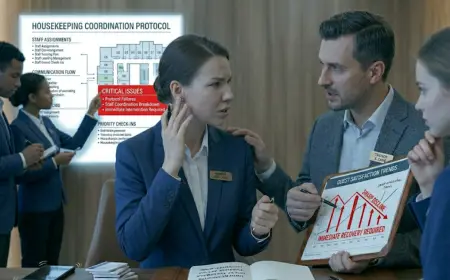
Stress management training front office receptionist is about holding your standard when the lobby gets messy.
You’ll face long lines, complaints, overbookings, system glitches. It’s normal.
But when stress takes over, mistakes start, wrong rooms, wrong bills, wrong tone.
Stay in control, and you stay accurate.
Stay in control, and the guest still gets clean service.
Pro-tip: Pressure is constant. Your reaction is the variable.
SOP Procedure for Stress Management
Step 1: Pre-Shift Preparation
Know your arrivals, occupancy, and pressure points before the rush hits.
Step 2: Prioritize Tasks
Urgent guest > routine work. Always.
Step 3: Maintain Composure
Face neutral. Body steady. No visible stress.
Step 4: Use Structured Communication
Short, clear sentences. No confusion.
Step 5: Avoid Multitasking Errors
One guest, one task. Finish it clean.
Step 6: Take Micro Breaks
Even 10–15 seconds reset your focus.
Step 7: Seek Support
Call your team before you get overloaded.
Step 8: Follow SOPs
Don’t “figure it out” under pressure, stick to process.
Step 9: Escalate Issues
Send complex problems to the Duty Manager fast.
Step 10: Post-Shift Review
Look back. Where did stress hit? Fix it next shift.
Pro-tip: Most errors don’t come from lack of knowledge, they come from rushing.
Front Desk Workflow and Stress Control
Pre-Arrival Planning
Prep rooms and guest details early. Less chaos later.
Check-in Management
Handle one guest at a time. Don’t rush conversations.
Peak Hour Handling
Slow your pace slightly. Speed comes from control, not panic.
Complaint Handling
Stick to the steps. Don’t improvise emotionally.
Telephone Handling
Even if calls stack up, tone stays calm.
Interdepartmental Coordination
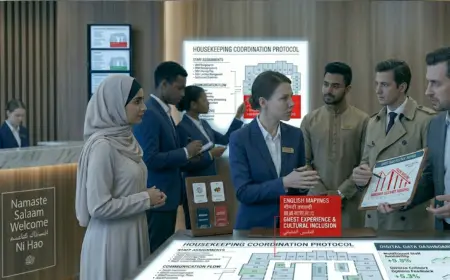
Clear messages to housekeeping and maintenance. No half-info.
Task Organization
Use a checklist. Keep your head clear.
Shift Handover
Clean hand-off = less stress for the next shift.
Pro-tip: Disorganized desks create stressed staff.
Guest Interaction During Stressful Situations
Step 1: Stay Calm
Voice steady. No sharp tone.
Step 2: Listen Actively
Let the guest finish. Always.
Step 3: Show Professionalism
Polite words, even if you’re under pressure.
Step 4: Avoid Rushed Responses
Take 2 seconds. Then answer correctly.
Step 5: Use Positive Language
Replace “No” with “Let me check what I can do.”
Step 6: Manage Queue Pressure
Eye contact + “I’ll be with you shortly” goes a long way.
Step 7: Handle Complaints Calmly
Follow empathy + solution steps.
Step 8: Confirm Understanding
Repeat key details. Avoid rework.
Step 9: Thank the Guest
Acknowledge their patience.
Pro-tip: Guests notice calm staff instantly, even in chaos.
Tools and Systems for Stress Management
-
Property Management System (PMS): Keeps bookings, billing, and room status tight
-
Task Management Systems: Track what’s pending so nothing slips
-
Queue Management Systems: Control lobby flow
-
Internal Communication Tools: Quick coordination with departments
-
Log Books: Write it down, don’t overload your memory
-
Scheduling Software: Balance staffing during peak hours
Tools reduce pressure, but only if you actually use them properly.
Service Standards and Performance Metrics
-
Greeting Time: Within 3 seconds, even in rush
-
Check-in Time: 3–5 minutes per guest
-
Response Time: 5–10 minutes for requests
-
Call Handling: Within 3 rings
-
Error Rate: Minimal, even under pressure
-
Behavior Standard: Calm, no visible stress
-
Guest Satisfaction: Positive despite busy lobby
If standards drop during rush, you’re not managing stress, it’s managing you.
Evaluation and Training Assessment
-
Supervisor Monitoring: Watch performance during peak hours
-
Role Play Training: Practice pressure scenarios
-
Performance Reviews: Check control + efficiency
-
Guest Feedback Analysis: See how stress shows in service
-
Mystery Audits: Real-time pressure test
-
Error Tracking: Spot stress-related mistakes
-
Continuous Training: Build stronger response habits
In conclusion, stress at the front desk isn’t going anywhere. The difference is simple, trained staff stay steady, untrained staff react. Control the pressure, and you control the shift.
Also read: Learn how to stay calm with difficult guests in front office with SOP