11 Beginner Types of Cleaning Equipment for Housekeeping SOP
Learn beginner types of cleaning equipment with housekeeping SOP, hotel cleaning tools, sanitation equipment usage, and professional housekeeping training.
 Altama khan
 Trolleys are messy, vacuums half dead, and you’re wasting steps. Fix your tools, you fix your rooms.
Cleaning Equipment in Housekeeping Training
Equipment isn’t support. It’s your speed. Your control. Your finish.
If your tools are wrong, your room slows down. Simple.
Why Cleaning Equipment Matters in Housekeeping
Wrong tool double work.
- Speed
- Cleaner finish
- Less strain on your body
- Fewer mistakes
- Better hygiene control
And when tools are set right, your shift moves.
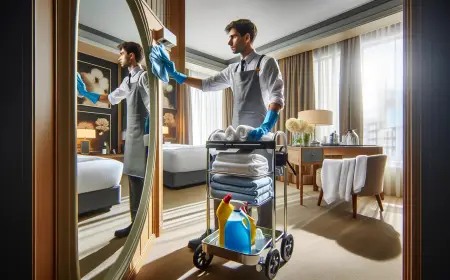
1. Housekeeping Trolley
Your base. Your control point.
- Linen stacked clean, not stuffed
- Amenities in order no digging
- Chemicals locked and upright
- And no overloading
- Because running back wastes minutes
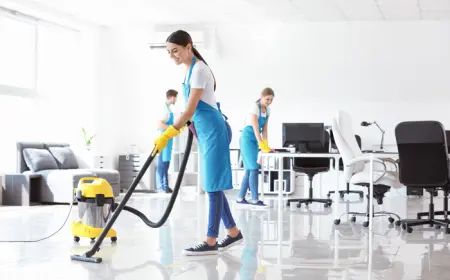
2. Vacuum Cleaner
Used right, it saves time. Used wrong, it spreads dirt.
- Check power before you start
- Corners. Edges. Under furniture
- Don’t rush passes slow, steady
- Empty dust container after use
3. Floor Scrubbing Machine
For deep-clean floors. Not daily shortcuts.
- Marble, tiles proper use only
- Stains first, then full scrub
- Watch water control
- And keep floors safe, not slippery
4. Mop and Bucket
Basic tool. Most misused.
- Clean water matters
- Change it when dirty don’t push mud around
- Mop in sections, not random
- Warning signs always
5. Dusting Tools and Brushes
Dust left behind shows immediately.
- Top to bottom
- Corners first
- Soft brushes for delicate areas
- Clean tools after use dirty cloth spreads dust
6. Spray Bottles and Chemical Dispensers
Chemicals need control. Not guessing.
- Label every bottle
- Correct dilution only
- Never mix chemicals
- Store safely after use
7. Glass Cleaning Equipment
Guests see streaks before anything else.
- Microfiber cloth clean, dry
- Spray on cloth, not directly always
- Wipe evenly
- No streaks. No marks
8. Waste Collection Equipment
Waste control is hygiene control.
- Covered bins only
- Separate waste properly
- Follow disposal rules
- And clean bins don’t ignore them
9. PPE and Safety Equipment
Skip this, you risk yourself.
- Gloves for chemicals
- Masks when needed
- Non-slip shoes
- Follow safety steps every time
10. Laundry Equipment
Linen quality depends on this.
- Operate machines correctly
- Sort linen before loading
- Keep machines clean
- Report faults fast
11. Equipment Maintenance and Storage
Broken tools slow the entire floor.
- Clean after every use
- Store in proper place
- Check condition daily
- Fix damage immediately
Simple Table: Types of Cleaning Equipment
| Equipment | Main Usage |
|---|---|
| Housekeeping Trolley | Carry supplies |
| Vacuum Cleaner | Carpet cleaning |
| Floor Scrubber | Deep floor cleaning |
| Mop and Bucket | Floor sanitation |
| Dusting Tools | Surface cleaning |
| Spray Bottles | Chemical application |
| PPE Equipment | Staff safety |
Common Mistakes While Using Cleaning Equipment
- Bad storage
- Ignoring safety
- Using damaged tools
- Wrong chemical use
- Poor maintenance
Fix your tools. Your rooms follow.
Also read:- industry level lost and found procedure