Air India Cancels Flights, Warns Delays as Iran Shuts Airspace
Air India warns of cancellations and delays as Iran temporarily closes its airspace amid tensions and widespread protests, affecting international routes.
 Jishan Khan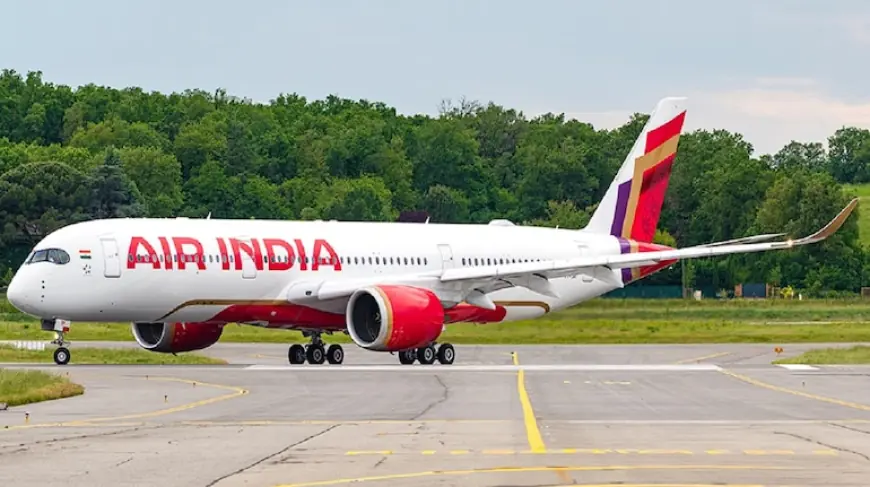

Air India has cancelled some international flights and warned of potential delays after Iran temporarily closed its airspace to commercial aircraft amid ongoing nationwide protests and heightened diplomatic tensions with the United States. The move has disrupted long-haul operations for Indian carriers and highlighted the sensitivity of key air corridors in the region.
Iran’s civil aviation authorities issued an unanticipated order to shut its airspace to most commercial traffic in the early hours of Thursday, a decision linked to broader internal unrest and geopolitical friction stemming from recent protests. The closure was estimated to last into the early morning before being lifted, but not before compelling airlines to adjust operations to maintain safety.
In response, Air India posted a travel advisory on its official social media channels warning passengers of delays resulting from rerouting flights around the restricted Iranian airspace. “Due to the emerging situation in Iran and the subsequent closure of its airspace, Air India flights overflying the region are now using alternative routing, which may lead to delays,” the advisory stated.
The airline also confirmed that some flights for which rerouting was not feasible have been cancelled. It urged passengers to check flight status updates ahead of travel and emphasised that the safety of passengers and crew remains the top priority.
The disruption has had operational ramifications across other Indian carriers. IndiGo also issued a notice indicating its international flights were “impacted” by the sudden closure, with teams assessing schedule adjustments and supporting affected customers through rebooking options and refunds. SpiceJet similarly warned of flight impacts and recommended that passengers confirm their flight status via airline channels.
Iran’s airspace is a critical transit corridor for flights between Asia and Europe, particularly for carriers operating direct services to Western hubs. Closure of this airspace forces aircraft to divert around Iranian flight information regions, lengthening routes and increasing fuel consumption, crew duty hours and operational complexity.
The temporary ban comes against the backdrop of some of the largest protests in Iran in decades and elevated political tensions with the United States over the government’s response to these demonstrations. Previous instances of airspace closures in Iran occurred during periods of conflict or heightened military engagement, underscoring the fragility of air navigation in geopolitically sensitive spaces.
Operational disruption caused by the closure has underscored the importance of alternate routing strategies and real-time risk assessment for international carriers. Airlines with transcontinental schedules must balance passenger service continuity with safety and regulatory compliance, especially when navigating volatile regions.
As Iranian authorities restored airspace access later on Thursday, carriers have been working to normalise their schedules. However, the incident is likely to prompt revised contingency planning among airlines operating long-haul international services, with a focus on real-time airspace risk intelligence, flexible network planning tools, and enhanced communication with passengers during periods of sudden regional disruption.