Online Food Ordering Trends in India: What's Driving Food Delivery Growth in 2026?
Online food ordering in India continues growing in 2026, driven by UPI payments, delivery apps, cloud kitchens and changing consumer habits. Read more.
 Prajakta Sanjay Warwadkar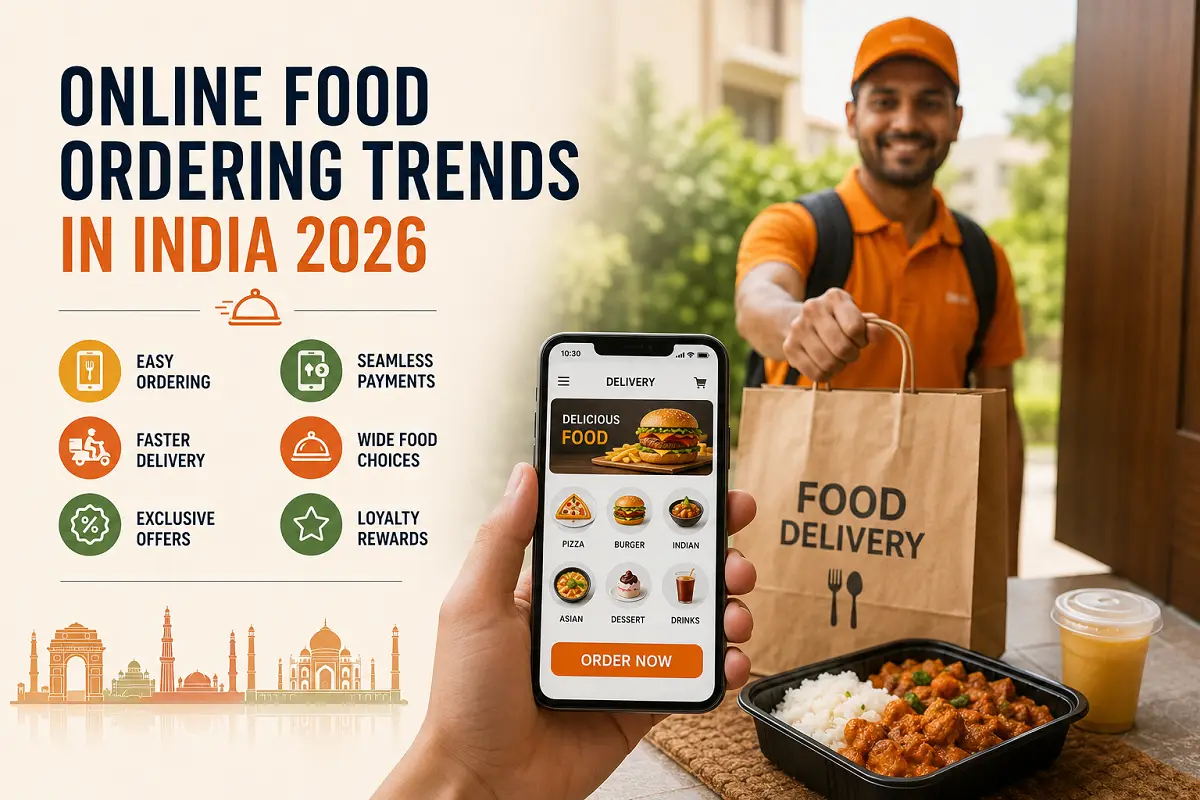
MUMBAI, June 11, 2026 —Online Food Ordering Trends in India: What's Driving Food Delivery Growth in 2026?
Online food ordering in India has stopped being a convenience.
For millions of people, it's a habit.
A long workday ends. Someone opens an app. A few taps later, dinner is on the way. No grocery shopping. No cooking. No dishes waiting in the sink afterwards.
Simple.
What's surprising is how quickly this behaviour became normal.
A few years ago, food delivery felt like an occasional treat. Today it's part of everyday life for students, professionals, families, and even people living in smaller cities that weren't considered major delivery markets before.
And restaurants have noticed.
Many businesses no longer treat delivery as an extra revenue stream.
For some, it has become the business.
Why Is Online Food Ordering Growing So Fast in India?
Several trends are pushing growth at the same time.
People are working longer hours. Urban commutes remain exhausting. Hybrid work schedules have blurred traditional meal times. Convenience has become one of the most valuable things consumers are willing to pay for.
Then there's technology.
The combination of smartphones, affordable internet, and UPI payments has made ordering food easier than ever.
Key factors driving online food ordering growth in India include:
-
Faster delivery expectations
-
Widespread UPI adoption
-
Affordable smartphone access
-
Huge cuisine variety
-
Frequent discounts and loyalty offers
-
Expansion into Tier-2 and Tier-3 cities
-
Social media food trends
And honestly, social media deserves its own category.
Someone watches a food video at midnight and suddenly they're searching for Korean corn dogs, loaded fries, or cheesecake jars despite having absolutely no intention of ordering food ten minutes earlier.
It happens more often than people admit.
What Food Are Indians Ordering Most Online?
Comfort food still dominates.
Probably always will.
But customer preferences are becoming more diverse every year.
Popular online food categories include:
-
Gourmet burgers
-
Pizza and fast food
-
Regional Indian comfort meals
-
Healthy and protein-rich meal boxes
-
Asian street food
-
Wraps and sandwiches
-
Late-night desserts
-
Beverages and speciality drinks
One interesting shift is how important presentation has become.
Customers don't just evaluate taste anymore.
They judge packaging. Food appearance. Portion size. Delivery condition.
A restaurant with good food and excellent packaging often performs better online than a restaurant with great food and poor packaging.
Fair or unfair, that's how online ordering works.
How Food Delivery Apps Are Changing Restaurant Operations
Food delivery apps have transformed restaurant operations from top to bottom.
Restaurants now design menus specifically for delivery because not every dish survives a 30-minute journey.
Some foods travel well.
Others definitely don't.
Restaurant Operations Before and After Online Ordering
|
Restaurant Area |
Impact of Online Food Ordering |
|
Menu Design |
Delivery-friendly dishes |
|
Packaging |
Strong focus on quality and presentation |
|
Kitchen operations |
Dedicated delivery workflows |
|
Marketing |
Increased dependence on app visibility |
|
Customer Retention |
Loyalty programmes and promotions |
|
Business Models |
Growth of cloud kitchens |
This shift has also contributed to the rapid rise of cloud kitchens in India.
Without expensive dining spaces to maintain, many operators can focus entirely on delivery efficiency.
Though competition has become intense as a result.
Are Indian Customers Becoming More Demanding?
Definitely.
Customers now compare almost everything before placing an order.
They look at:
-
Ratings and reviews
-
Delivery speed
-
Food images
-
Packaging quality
-
Discounts
-
Social media presence
-
Restaurant rankings inside delivery apps
Expectations have changed dramatically.
A fifteen-minute delay can trigger complaints. Poor packaging can lead to negative reviews. One bad experience often sends customers directly to a competitor.
Online loyalty is fragile.
Restaurants are learning that lesson quickly.
The Biggest Challenges Facing Restaurants
While online food ordering creates opportunities, it also creates pressure.
Profit margins remain one of the biggest concerns.
Many operators face challenges such as:
-
High delivery platform commissions
-
Rising packaging costs
-
Intense price competition
-
Dependence on aggregator platforms
-
Discount-driven customer behaviour
-
Quality control during delivery
-
Review and rating pressure
Some restaurants end up sacrificing profitability just to remain visible inside delivery apps.
That strategy can increase orders temporarily.
Long term, it becomes difficult to sustain.
What Smart Restaurants Are Learning From Delivery Trends
The most successful restaurants have stopped treating delivery as a side business.
They're building operations around it.
Many are creating smaller delivery-focused menus instead of uploading every dine-in item online. Others invest heavily in packaging, consistency, and repeat customer retention.
They're also using customer data more effectively.
Instead of guessing what customers want, they're analysing actual ordering behaviour and adapting accordingly.
Small changes often create significant results.
What Does the Future of Online Food Ordering in India Look Like?
The Indian food delivery industry is expected to continue evolving rapidly through 2026 and beyond.
Some of the biggest trends to watch include:
-
AI-powered food recommendations
-
Hyperlocal delivery expansion
-
Subscription meal plans
-
Smart customer targeting
-
Voice ordering technology
-
Growth of cloud kitchens in Tier-2 cities
-
Direct ordering platforms for restaurants
-
Personalised loyalty programmes
Interestingly, the restaurants likely to succeed aren't necessarily the ones using the most technology.
They're the ones using technology to solve real customer problems.
Reliable delivery.
Consistent food quality.
Simple ordering experiences.
Those things still matter most.
Pro Tip
Many restaurants focus heavily on acquiring new customers through discounts.
The smarter approach is building repeat customers.
A restaurant that delivers consistent quality, reliable delivery times, and good packaging often creates stronger long-term profitability than a restaurant constantly chasing new orders through promotions. Customer retention is becoming one of the most important success factors in online food ordering, especially as competition continues to grow across India.
Frequently Asked Questions
Why is online food ordering growing so quickly in India?
Online food ordering is growing because of changing lifestyles, widespread smartphone usage, UPI payments, delivery app convenience, and increasing demand for quick meal solutions.
Which food items are most ordered online in India?
Popular online food categories include burgers, pizza, regional Indian meals, healthy meal boxes, Asian food, wraps, sandwiches, and desserts.
How are food delivery apps changing restaurants?
Food delivery apps are influencing menu design, packaging standards, kitchen operations, marketing strategies, and customer retention efforts.
Are cloud kitchens growing in India?
Yes. Cloud kitchens continue expanding rapidly due to lower operating costs and increasing food delivery demand, particularly in Tier-2 and Tier-3 cities.
What are the biggest food delivery trends for 2026?
AI-powered recommendations, hyperlocal delivery, personalised offers, subscription meal plans, cloud kitchen growth, and direct restaurant ordering platforms are among the biggest trends shaping the industry.
Read more: Restaurant Technology Trends Reshape Hospitality in 2026
Smart Kitchens Transform Restaurant Operations in 2026
Read more: Dining Out Trends 2026: Why People Prefer Dining Out Over Cooking More Than Ever
Rise of Experience-Based Restaurants: Why Are They Taking Over Dining?