Smart Kitchens Transform Restaurant Operations in 2026
Smart kitchens and AI cooking systems help restaurants improve speed, consistency and efficiency in 2026. Read more.
 Prajakta Sanjay Warwadkar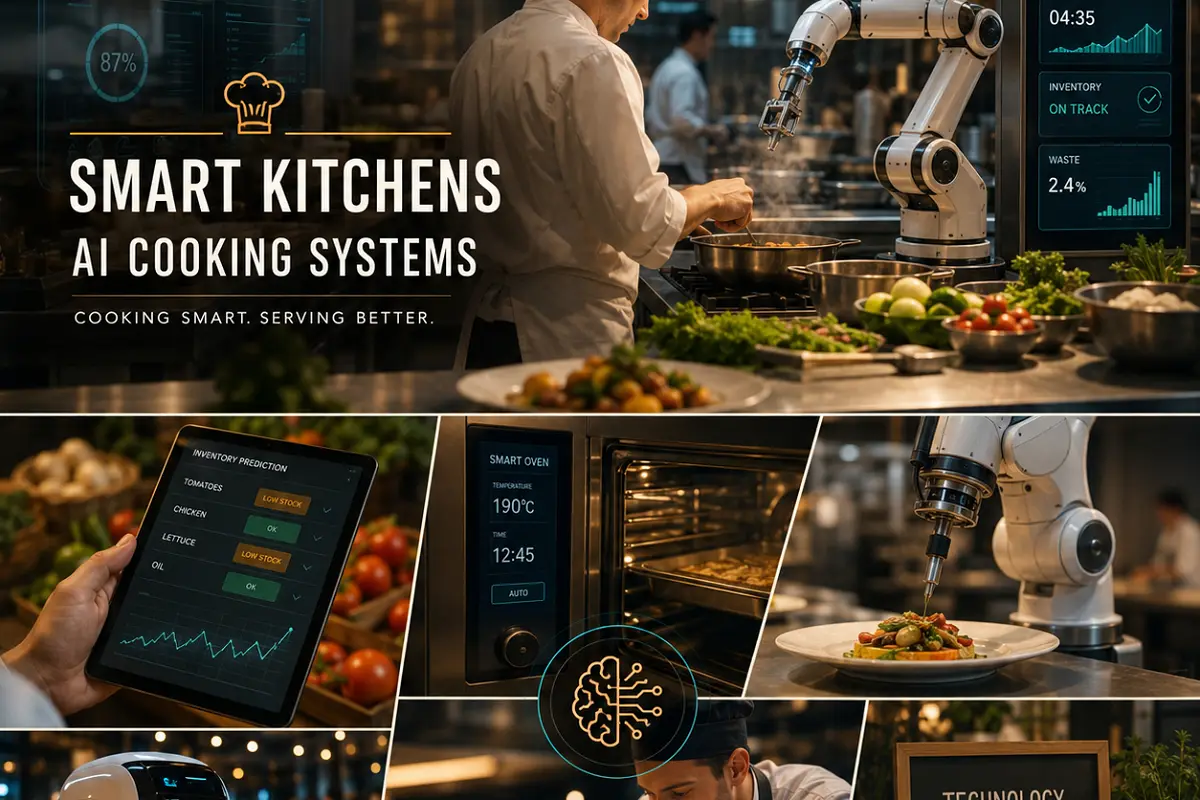
Smart Kitchens and AI Cooking Systems
Smart kitchens are changing restaurants faster than people realize. Not loudly just steadily. Restaurants in 2026 are using AI cooking systems, smart appliances, and automated kitchen tools to improve speed, consistency, and reduce operational stress behind the scenes. And honestly, most customers probably don’t even notice how much technology is involved anymore until they actually look closely.
The interesting part is kitchens still feel human. At least the good ones do.
Why Are Restaurants Moving Toward Smart Kitchens?
Mostly because kitchens became harder to manage manually.
Restaurants deal with:
-
rising ingredient costs
-
staff shortages
-
pressure for faster service
-
inconsistent food quality during rush hours
AI systems help reduce some of that pressure. Not perfectly obviously but enough that restaurants are investing heavily now.
Smart kitchens can track cooking times automatically, monitor ingredient levels, and even predict demand based on previous sales patterns. Sounds technical, maybe slightly boring too but for operators, it saves serious money.
Especially in chain restaurants where consistency matters almost more than creativity sometimes.
How Are AI Cooking Systems Actually Being Used?
A lot of it happens quietly in the background.
You’ll see:
-
smart ovens adjusting cooking temperatures automatically
-
AI systems tracking prep speed during busy hours
-
automated fryers reducing overcooking mistakes
-
predictive inventory systems warning kitchens before ingredients run low
Some kitchens even use AI cameras to monitor plating consistency now. Which feels impressive and slightly unsettling at the same time.
And platforms connected with Instagram, online ordering apps, and delivery systems feed restaurants huge amounts of customer data constantly. Favorite dishes, peak dining hours, repeat orders, AI systems learn patterns faster than most managers realistically could.
Which Areas of the Kitchen Are Becoming Smarter?
The biggest automation growth is happening in repetitive kitchen tasks.
|
Kitchen Area |
How Smart Systems Help |
|
Cooking Equipment |
Automatic temperature adjustments |
|
Inventory Tracking |
Predicting ingredient shortages |
|
Food Prep |
Faster and more consistent output |
|
Waste Management |
Reducing over-ordering and spoilage |
|
Delivery Coordination |
Managing preparation timing |
And honestly speed matters a lot now. Customers are less patient than before. Even a 10-minute delay feels long to some people now, which is slightly terrifying if you think about it from a kitchen perspective.
Are AI Kitchens Replacing Chefs Completely?
Not really. At least not in serious restaurants.
AI handles repetitive precision tasks very well. But creativity, flavor intuition, presentation choices that still comes from people. Good chefs adjust constantly based on mood, ingredients, even customer energy sometimes. Machines can’t really replicate that naturally yet.
Though chain restaurants are leaning more into automation because consistency matters heavily there.
A robot making the same fries perfectly every time? Businesses love that idea. Chefs mixed feelings probably.
What Problems Do Smart Kitchens Still Face?
A few obvious ones honestly.
Setup costs are expensive for smaller restaurants. Staff training takes time. Technology failures during peak hours can create complete chaos inside kitchens very quickly.
There’s also:
-
over-dependence on systems
-
maintenance costs
-
data and software issues
-
resistance from traditional kitchen teams
And honestly, some restaurants introduce automation just because it sounds modern, not because it actually improves workflow. Customers notice when technology feels forced.
That part matters more than operators sometimes expect.
What Are Restaurants Learning About AI Kitchens?
The smartest restaurants use AI to support chefs, not compete with them.
Pro-Tip: In our experience, kitchens perform best when automation handles repetitive operational stress while chefs focus more on creativity, consistency, and customer experience. Restaurants that over-automate often lose warmth and flexibility during service, and customers can feel that difference surprisingly quickly.
Hospitality still depends heavily on people. Probably always will.
What Happens Next for Smart Kitchens in 2026?
🔮 2026 Trends:
Restaurants are moving toward hybrid kitchens where AI systems quietly manage operations while chefs focus more on quality and innovation. Voice-controlled equipment, predictive cooking systems, and AI-powered inventory management will continue growing rapidly. At the same time though restaurants that balance technology with genuine human creativity will likely stand out the most.
Funny enough, the smarter kitchens become, the more customers seem to appreciate authentic human cooking.
Read more: Dining Out Trends 2026: Why People Prefer Dining Out Over Cooking More Than Ever
Rise of Experience-Based Restaurants: Why Are They Taking Over Dining?