Boeing Sees India and South Asia Adding 3,290 Jets Over Next 20 Years
Boeing forecasts India and South Asia will add 3,290 new aircraft over 20 years, driven by traffic growth, fleet renewal and expanding aviation markets.
 Jishan Khan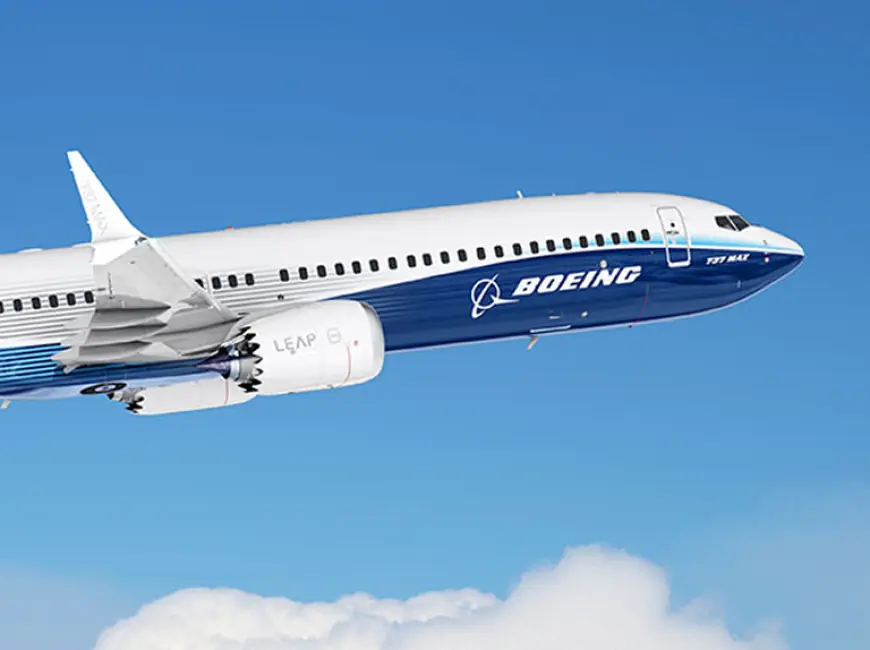

Boeing has projected that airlines in India and South Asia will add a combined 3,290 commercial aircraft over the next 20 years, underlining the region’s emergence as one of the world’s fastest-growing aviation markets. The forecast reflects strong passenger demand, rapid economic expansion and the need for extensive fleet renewal as carriers scale up operations across domestic and international networks.
India is expected to account for the majority of new aircraft demand, driven by sustained growth in domestic air travel and expanding long-haul connectivity. Rising disposable incomes, improved airport infrastructure and the proliferation of low-cost carriers have significantly increased air travel penetration, placing pressure on airlines to expand capacity and modernise fleets. Boeing’s outlook positions India as a key contributor to global aircraft demand through the mid-2040s.
South Asia’s broader aviation market, including countries such as Bangladesh, Sri Lanka and Nepal, is also projected to see steady growth. Airlines in these markets are expected to invest in new aircraft to replace ageing fleets, improve fuel efficiency and meet rising demand for regional and medium-haul travel. Fleet renewal remains a critical factor as carriers seek to lower operating costs and comply with evolving environmental and safety standards.
From a fleet composition perspective, single-aisle aircraft are forecast to dominate deliveries, reflecting the region’s strong demand for short- and medium-haul routes. Narrowbody jets offer airlines flexibility, lower operating costs and the ability to serve high-frequency domestic and regional markets efficiently. Widebody aircraft are also expected to feature in airline expansion plans, supporting long-haul connectivity between South Asia, Europe, North America and Asia-Pacific.
Boeing’s projection highlights the strategic importance of India and South Asia within global airline network planning. Airports across the region are undergoing expansion and modernisation to accommodate rising traffic volumes, while governments are increasingly prioritising aviation as a driver of economic growth, trade and tourism. Policy support, improved connectivity and infrastructure investment are reinforcing the region’s long-term aviation potential.
The forecast comes as airlines balance aggressive growth ambitions with financial discipline. While demand fundamentals remain strong, carriers continue to navigate challenges such as aircraft supply constraints, engine availability issues and fluctuating operating costs. Manufacturers, in turn, are under pressure to increase production rates while maintaining quality and delivery timelines.
Aircraft demand in South Asia is also closely linked to labour mobility and diaspora travel, particularly on routes connecting the region with the Middle East. These high-volume corridors support consistent demand for both narrowbody and widebody operations, shaping fleet strategies and network development plans.
Environmental considerations are increasingly influencing fleet decisions as well. New-generation aircraft offer lower fuel burn and reduced emissions, aligning with airline sustainability targets and regulatory expectations. Fleet renewal in India and South Asia is therefore not only about growth, but also about improving efficiency and reducing environmental impact.
Boeing’s long-term outlook reinforces the competitive dynamics between aircraft manufacturers as they vie for market share in high-growth regions. India and South Asia are expected to remain central battlegrounds for future aircraft orders, leasing activity and maintenance support services.
As airlines across the region continue to expand and modernise, the projected addition of 3,290 aircraft underscores the scale of opportunity and the strategic importance of South Asia in shaping the future of global aviation. The forecast reflects confidence in sustained demand growth, even as airlines and manufacturers adapt to evolving market and operational realities.