Mutton Boti Kebab Recipe That Grills Tender and Full of Flavour
Make juicy mutton boti kebab at home with this authentic marinade and SOP guide. Smoky, tender, and restaurant-style. Get the full recipe now.
 Tripti Srivastava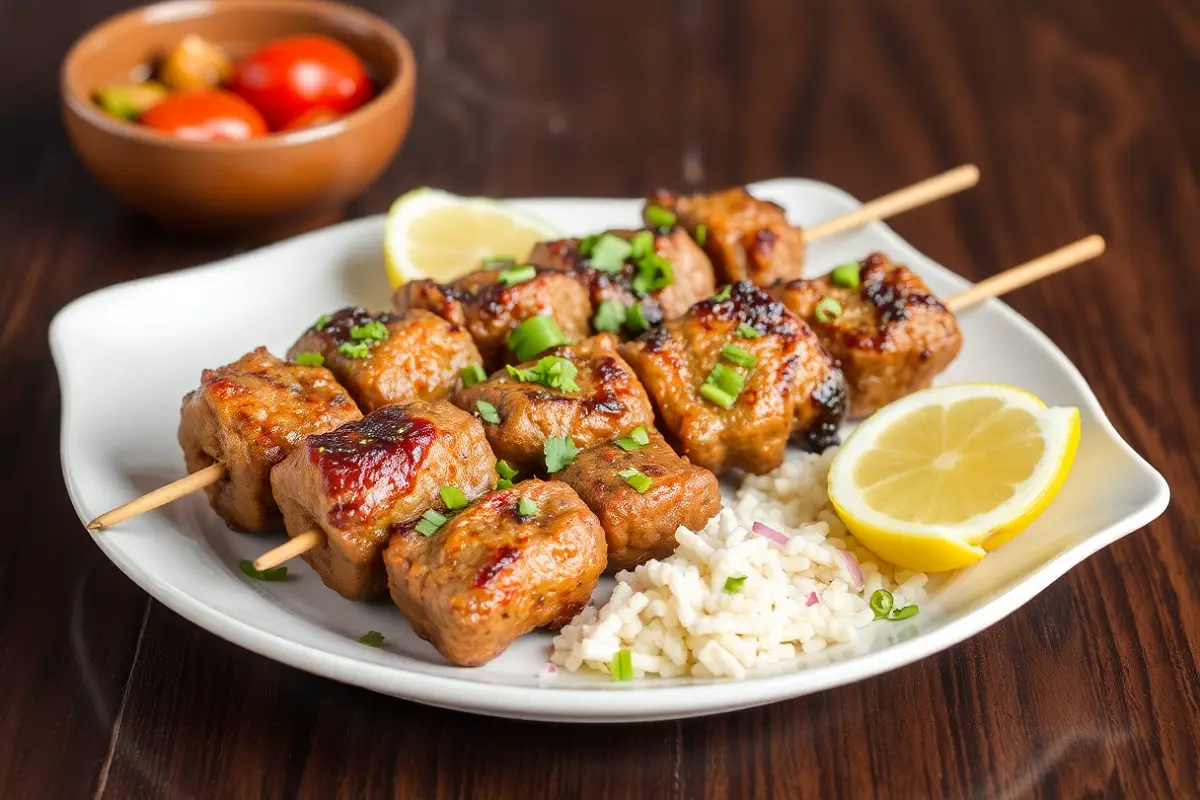
There is something about the smell of mutton boti kebab on a live charcoal grill that is almost impossible to resist. The hiss of the fat hitting the coals, the bloom of smoke rising up through the skewers, and the deep crimson-brown crust forming on each chunk of marinated mutton, it is one of those cooking moments that feels primal and celebratory at the same time. And the best part is, you can recreate every bit of it at home.
Boti kebab is a classic across North India, Pakistan, and the broader South Asian diaspora chunks of bone-in or boneless mutton, cut from the leg or shoulder, marinated overnight in a powerful spiced yoghurt mixture, and grilled over high heat until the outside caramelises and the inside stays succulent and tender. The name "boti" simply refers to the small, cubed pieces of meat used and that size is part of what makes this kebab so good. Each piece gets maximum marinade contact and maximum char.
This recipe gives you the full professional method: from the raw papaya tenderising step that home cooks often skip (but really shouldn't) to the double marinade technique to the dhungar coal-smoking finish that delivers that restaurant-level smokiness even from a home oven.
What Makes This Mutton Boti Kebab Special
There are plenty of mutton kebab recipes out there here is what makes this one worth following:
- Raw papaya paste tenderiser: Raw papaya contains a natural enzyme called papain, which breaks down the tough muscle fibres in mutton. This is the single most important step for achieving genuinely tender boti not chewy, not tough, but soft enough to yield with a slight bite. Here is the science behind why papain works so effectively on meat.
- Double marinade method: A quick first coat of raw papaya paste and basic spices is followed by a full-flavoured yoghurt and spice marinade. The two-stage process gives you both deep tenderisation and maximum flavour penetration.
- Three cooking options: Charcoal grill for authentic smokiness, an oven grill for a convenient home method, and a stovetop for when you need it fast. All three deliver excellent results.
- Dhungar coal finish: Even if you cook in the oven, adding a 30-second coal-smoking step at the end gives the kebab that unmistakable tandoor smokiness, which separates a home-cooked kebab from a restaurant one.
- Bone-in or boneless flexibility: The recipe works with both. Bone-in boti has more flavour; boneless is easier to eat at the table and better for skewers. Your choice.
Ingredients Overview
The cut of mutton matters enormously here. Mutton leg or shoulder cut into 2-inch cubes is ideal; both cuts have enough fat marbling to stay juicy over high heat without drying out. Avoid lean cuts like the loin for boti; they tend to tighten and dry when grilled at high temperatures.
The raw papaya paste is your tenderiser; you only need one to two tablespoons and it goes in the first marinade coat. If raw papaya is unavailable, use one teaspoon of kiwi pulp or half a teaspoon of commercial meat tenderiser powder as a substitute. Do not increase the quantity of papaya or extend the first marinade beyond 2 hours, as doing so can cause the outer texture of the meat to turn mushy.
The main marinade is built on thick hung curd, mustard oil, and a carefully balanced spice mix. Kashmiri red chilli gives a deep colour with moderate heat; stone flower (pathar ka phool) and black stone flower (dagad phool) are optional but traditional aromatics used in authentic boti kebab, adding an earthy, mossy depth you won't get from anything else. They are available at speciality Indian spice shops.
For the skewers, use flat metal skewers rather than round ones; the flat edges grip the meat better during cooking and prevent the boti from spinning when you try to rotate them.
How to Make It
Cut, clean, and dry the mutton. Apply the raw papaya first marinade and let it rest for 1–2 hours. Make the main yoghurt marinade and coat the mutton thoroughly, then refrigerate for a minimum of 4 hours; overnight is strongly recommended for mutton, which benefits from a longer marinating window than chicken or paneer. Thread onto skewers and grill over high heat, basting with butter halfway through. Rest, finish with the dhungar smoke if using, and serve immediately.
The active work is about 30 minutes. The marinade does the rest.
Also Read: Chicken Lababdar Bites Recipe
Tips for Best Results
- Bring the mutton to room temperature for 30 minutes before cooking. Cold meat straight from the fridge tightens on contact with heat and cooks unevenly.
- Do not skip the raw papaya step. Mutton is significantly tougher than chicken and needs an enzymatic tenderiser to achieve a soft, restaurant-quality texture. Even one hour with the papaya paste makes a noticeable difference.
- Marinate overnight if you possibly can. Four hours is the minimum, but overnight marinating (8–12 hours) produces a dramatically more flavourful and tender result with mutton.
- Cook over very high heat. The goal is to sear and caramelise the outside quickly while the inside finishes cooking through. Medium heat will dry the boti out before the outside develops a proper colour.
- Rest the kebabs for 3–5 minutes after cooking before serving. This allows the juices to redistribute through the meat and keeps every bite moist.
- Baste at least once with ghee or butter during cooking; this adds colour, prevents sticking, and carries the fat-soluble spice flavours deeper into the crust.
Serving Suggestions
Serve mutton boti kebab hot off the grill with mint-coriander chutney, laccha onion (thinly sliced onion rings soaked in lemon juice with chaat masala), and roomali roti or tandoori naan for a complete spread. A wedge of lemon on the side is non-negotiable; the acidity cuts through the rich, fatty mutton beautifully.
For a fuller meal, serve alongside dal makhani and jeera rice for a proper North Indian feast. The kebabs also work brilliantly wrapped in a roomali roti with sliced onions, green chutney, and a pinch of chaat masala as a street-style roll.
For entertaining, arrange the skewers directly on a long wooden board or a cast iron grill tray, scatter the laccha onion generously around them, and place a small burning coal in a foil cup at one end of the board; it creates a dramatic smoky presentation at the table that never fails to impress guests.
Storage and Reheating
Store cooked boti kebab in an airtight container in the fridge for up to 3 days. The kebabs actually improve slightly overnight as the spices continue to develop. Cold leftover boti is genuinely excellent when sliced thin and tucked into a paratha roll for lunch the next day.
To reheat, place the kebabs on a hot grill pan or cast iron skillet over medium-high heat for 2–3 minutes per side. A small knob of butter in the pan helps revive the crust and prevents the meat from drying out. Avoid the microwave; it makes the mutton tough and the marinade coating rubbery.
You can freeze raw marinated boti for up to 6 weeks. Portion into freezer bags, remove as much air as possible, and freeze flat. Defrost overnight in the fridge before cooking, never on the counter at room temperature.
Variations and Substitutions
- Chicken boti kebab: Swap mutton for boneless chicken thigh pieces. Skip the raw papaya step and reduce the marinating time to 2 hours. Cook time drops to about 15 minutes total.
- Seekh boti variation: Mince half the marinated boti pieces finely and mix back with the remaining whole pieces on the skewer; you get the texture contrast of minced and whole meat in every bite, which is a popular Lucknawi street-food style.
- Achari boti kebab: Add 1 teaspoon of mixed achaar (pickle) and half a teaspoon each of fennel and nigella seeds to the main marinade for a tangy, pickled flavour profile that is hugely popular in Punjab.
- Malai boti kebab: Replace half the yoghurt with fresh cream, reduce the red chilli powder by half, and add a tablespoon of cashew paste to the marinade for a rich, pale, mildly spiced version effectively, the mutton equivalent of the malai chaap.
- Peshwari boti: Add a teaspoon of dried pomegranate powder (anardana) and a generous pinch of dried ginger powder (saunth) to the marinade for a North-West Frontier-style flavour that is tangy, warming, and deeply aromatic.
Preparation Method
Start by cleaning the mutton pieces and trimming any excess sinew or silver skin; this connective tissue does not tenderise during marinating and will make the final kebab chewy if left on. Cut into even 2-inch cubes; uniformity matters for even cooking on the skewer.
Pat the pieces completely dry, apply the raw papaya first marinade, and let them rest. While the meat rests, prepare your main marinade: whisk the hung curd with mustard oil until smooth, then work in all the spices. Use your hands to massage the main marinade into every surface of every piece of mutton; this physical contact helps the marinade penetrate rather than just coat the surface.
Standard Operating Procedure (SOP)
Step 1 Butchery and prep: Source mutton leg or shoulder. Cut into even 2-inch cubes. Trim all sinew and silver skin. Pat completely dry with kitchen paper.
Step 2 Raw papaya tenderising (first marinade): Mix raw papaya paste with salt and ginger-garlic paste. Rub all over the mutton pieces. Cover and rest at room temperature for 1 hour, or refrigerate for up to 2 hours. Do not exceed 2 hours.
Step 3 Main marinade application: Whisk hung curd, mustard oil, and all spices. Add the first-marinated mutton and coat thoroughly by hand. Cover and refrigerate for a minimum of 4 hours, preferably overnight.
Step 4 Skewering: Thread the marinated boti pieces onto flat metal skewers, leaving a small gap between each piece for even heat circulation. Do not pack them too tightly.
Step 5 Cooking: Grill over very high heat. Rotate every 4–5 minutes for even colour on all sides. Baste once with ghee or butter. Total cook time: 20–25 minutes depending on the size of the pieces and the heat source.
Step 6 Check doneness: Cut the largest piece open the inside should be fully cooked through with no pink remaining but still visibly juicy. If the outside is colouring too fast before the inside is done, move the skewers to indirect heat for the final 5 minutes.
Step 7 Dhungar smoke finish: Place cooked kebabs in a deep bowl or tray. Put a small piece of foil in the centre. Place a live coal on the foil, drizzle 3–4 drops of ghee over it, and immediately cover tightly for 30–45 seconds. Remove coal and foil. Serve within 2 minutes for maximum smokiness.
Step 8 Rest and plate: Rest 3–5 minutes. Dust with chaat masala, finish with lemon juice and fresh coriander, and plate immediately.
Garnish and Presentation
Mutton boti kebab is a confident, bold dish and its plating should reflect that. The deep mahogany-red colour of the kebab is the hero; everything else on the plate should support and contrast it, not compete with it.
The essential garnishes are laccha onion (thinly sliced onion rings, soaked 10 minutes in cold water, then tossed in lemon juice and chaat masala), freshly chopped green coriander, and a wedge of lemon. A few thin slices of green chilli add a colour contrast. Dust the kebabs with a pinch of chaat masala right before serving, never earlier, as it draws moisture and dulls the crust.
A brush of ghee or melted butter over the cooked kebabs immediately before plating adds a glossy sheen that makes the dish look restaurant-quality. Do not skip this step; it takes five seconds and makes a significant visual difference.
Plating and Serving Tips
For home serving, lay the skewers directly across a cast iron grill tray or wooden board still warm from the oven. Scatter the laccha onion generously, tuck lemon wedges between the skewers, and place a small bowl of mint chutney at one end. This rustic presentation is visually strong and entirely in keeping with the dish's street-food origins.
For restaurant-style plating, remove the boti from the skewers and arrange on a warmed flat plate or slate. Stack the pieces at a slight height using the laccha onion as a base layer. Place a single thin green chilli and a sprig of fresh coriander on top of the stack. Add a small charred lemon half (cut side down on the grill for 1 minute) instead of a raw wedge; the slight caramelisation of the lemon adds both visual interest and a slightly sweeter citrus note when squeezed.
For a dramatic tableside presentation, serve the boti on skewers on a live coal tray or sizzler plate with the dhungar smoke still rising; this is the kind of moment that makes guests reach for their phones before they reach for the food.
If you make this mutton boti kebab, I genuinely want to hear about it. Leave a star rating and drop a comment below your feedback helps other readers and means a lot. Tag us on Instagram with your grill photos; the smokier the better!
Ingredients
- 750g mutton leg or shoulder, cut into 2-inch cubes
- 2 tablespoons neutral oil
- ½ teaspoon chaat masala
- ¾ cup (180g) hung curd / thick Greek yoghurt
- 2 tablespoons mustard oil
- 2 tablespoons raw green papaya paste (blend raw papaya skin and flesh together)
- 1 tablespoon fresh lemon juice
- 1 teaspoon salt
- 1½ teaspoons ginger-garlic paste
- 2 teaspoons Kashmiri red chilli powder
- 1 teaspoon regular red chilli powder
- 1½ teaspoons ginger-garlic paste
- ½ teaspoon garam masala
- 1 teaspoon coriander powder
- 1 teaspoon cumin powder
Nutritional Information
- Calories: 312 kcal
- Protein: 28g
- Carbohydrates: 6g
- Fat: 19g
- Fiber: 1g
- Sodium: 520mg
- Sugar: 2g
Directions
1. PREP THE MUTTON
1. Trim the mutton pieces of any sinew, silver skin, or excess hard fat. Cut into even 2-inch cubes. Pat every piece completely dry with kitchen paper — this is essential for the marinade to stick properly.
2. FIRST MARINADE:TENDERISING COAT
2. In a large bowl, combine the raw papaya paste, ginger-garlic paste, salt, and lemon juice. Mix well.
3. Add the mutton pieces and rub the paste thoroughly into every surface of every piece. Use your hands for best contact.
4. Cover with cling film and rest at room temperature for 1 hour, or in the fridge for up to 2 hours. Do not exceed 2 hours — over-tenderising with papain makes the outer texture mushy.
3. PREPARE THE MAIN MARINADE
5. Heat the mustard oil in a small pan over high heat until it just reaches smoking point — you will see a faint haze. Remove from heat immediately and allow to cool completely. This step removes the raw bitterness from mustard oil.
6. In a large bowl, whisk the hung curd until smooth. Add the cooled mustard oil and whisk to combine.
7. Add all remaining marinade spices: Kashmiri chilli powder, regular chilli powder, ginger-garlic paste, cumin, coriander, garam masala, turmeric, black pepper, shahi jeera, kasuri methi, chaat masala, salt, roasted besan, lemon juice, and stone flower powder if using. Mix thoroughly until a uniform, thick marinade forms.
8. Add food colour if using and stir through.
4. APPLY MAIN MARINADE
9. Add the first-marinated mutton pieces to the main marinade bowl. Using your hands, massage the marinade deeply into every piece — press it into any cuts or folds in the surface.
10. Cover tightly with cling film and refrigerate for a minimum of 4 hours. Overnight (8–12 hours) is strongly recommended for mutton.
5. SKEWER THE BOTI
11. Remove marinated mutton from the fridge 30 minutes before cooking to bring it to room temperature.
12. Thread the boti pieces onto flat metal skewers, leaving a 1cm gap between each piece to allow heat to circulate on all sides. Do not pack the pieces too closely together.
6. CHARCOAL GRILL METHOD (BEST RESULT)
13. Prepare the charcoal grill for direct high heat. Allow coals to burn until grey-white with no visible flame. Oil the grill grate lightly.
14. Place skewers over direct heat. Cook for 5–6 minutes without moving. Rotate a quarter turn, cook another 5 minutes. Repeat for all four sides — total cook time approximately 20–25 minutes.
15. Baste generously with ghee or butter after the second rotation. This adds colour and keeps the boti moist.
16. The boti is ready when the outside is deeply coloured and caramelised with visible char marks, and the inside is cooked through with no pink remaining when you cut into the largest piece.
7. FINISHING AND PLATING
17. Rest the cooked boti for 3–5 minutes before serving.
18. Place the lemon halves cut-side down on the hot grill or pan for 1 minute until lightly charred.
19. Arrange boti on the serving board or plate. Dust with chaat masala and squeeze the charred lemon over the top.
20. Scatter fresh coriander, arrange the laccha onion alongside, and serve immediately with mint chutney and roti.
Rate this Recipe
User Reviews
No reviews yet. Be the first to share your thoughts!