IndiGo Flight Returns to Mumbai After Fog Forces 5-Hour Airborne Delay
IndiGo flight between Mumbai and Chandigarh returns mid-air after almost 5-hour airborne delay caused by dense fog in northern India, disrupting schedules.
 Jishan Khan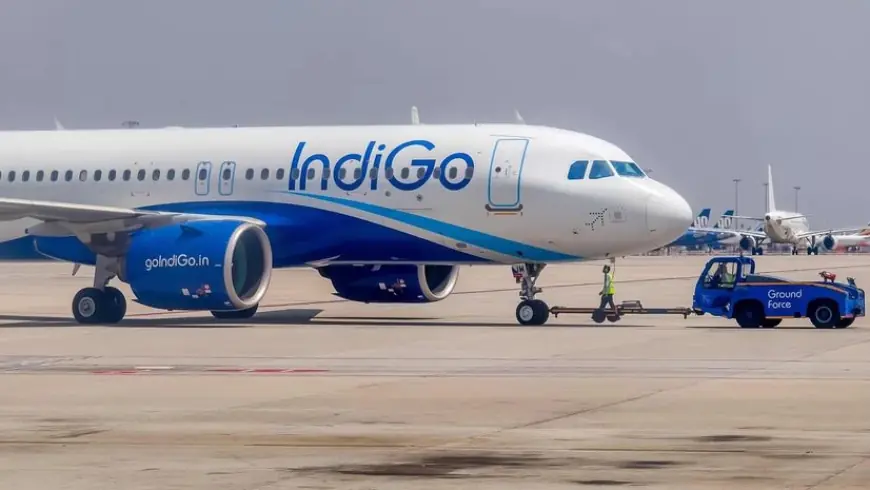

An IndiGo domestic service from Mumbai to Chandigarh was forced to return to Mumbai Airport in the early hours of Wednesday after encountering persistent dense fog at the destination, leaving passengers airborne for nearly five hours and triggering significant schedule disruption.
The flight departed Chhatrapati Shivaji Maharaj International Airport on a scheduled morning service but was unable to land at Chandigarh due to severely reduced visibility caused by winter fog, a recurring meteorological challenge in northern India during the January season.
Crew initially held over alternate airspace near Chandigarh while awaiting conditions to improve, but ongoing low visibility and forecast stability prevented a safe approach. After multiple holding patterns and fuel considerations, the pilot-in-command elected to return to Mumbai where weather conditions were conducive for landing.
Passengers reported spending extended hours onboard the Airbus A320 family aircraft without reaching the destination, underscoring the operational impact that dense fog can exert on short-haul services in the region.
Once back in Mumbai, ground handling teams assisted passengers with refreshments and customer care support, while IndiGo operational control began re-accommodating travellers on later services. The airline also managed crew duty times and aircraft rotations to mitigate downstream network effects.
Dense fog during winter months in northern India routinely affects flight operations at airports such as Chandigarh, Delhi and Amritsar. Reduced runway visual range (RVR) can force diversions, returns or cancellations when instrument landing systems cannot sustain safe touchdown criteria. Airlines and airports often adjust schedules and stand-by resources to manage such weather-related volatility.
IndiGo’s network planning teams are reported to incorporate historic fog patterns into seasonal scheduling to anticipate impacts and provide buffer times. Even so, sudden intensification of fog can exceed predictive models, as evidenced by the almost five-hour airborne delay experience.
For passengers, extended flight durations without reaching the intended airport add discomfort and logistical challenges for onward travel. Ground services at both origin and alternate airports are critical to support customer welfare during such irregular operations.
Aviation regulators and meteorological agencies continue to refine fog forecasting tools and airport instrument landing protocols to optimise operations under low-visibility conditions. However, until seasonal weather patterns relax, air carriers operating in India will face periodic disruptions tied to dense fog and low visibility at northern aerodromes.