UK Restaurants and Pubs Brace for Prolonged Cost Pressures as Hospitality Sector Enters a New Phase of Economic Reality
UK restaurants and pubs are facing sustained financial pressure in 2026 as rising costs, cautious consumer spending, and structural economic changes force the hospitality sector to adapt to a new operating reality.
 Prajakta Sanjay Warwadkar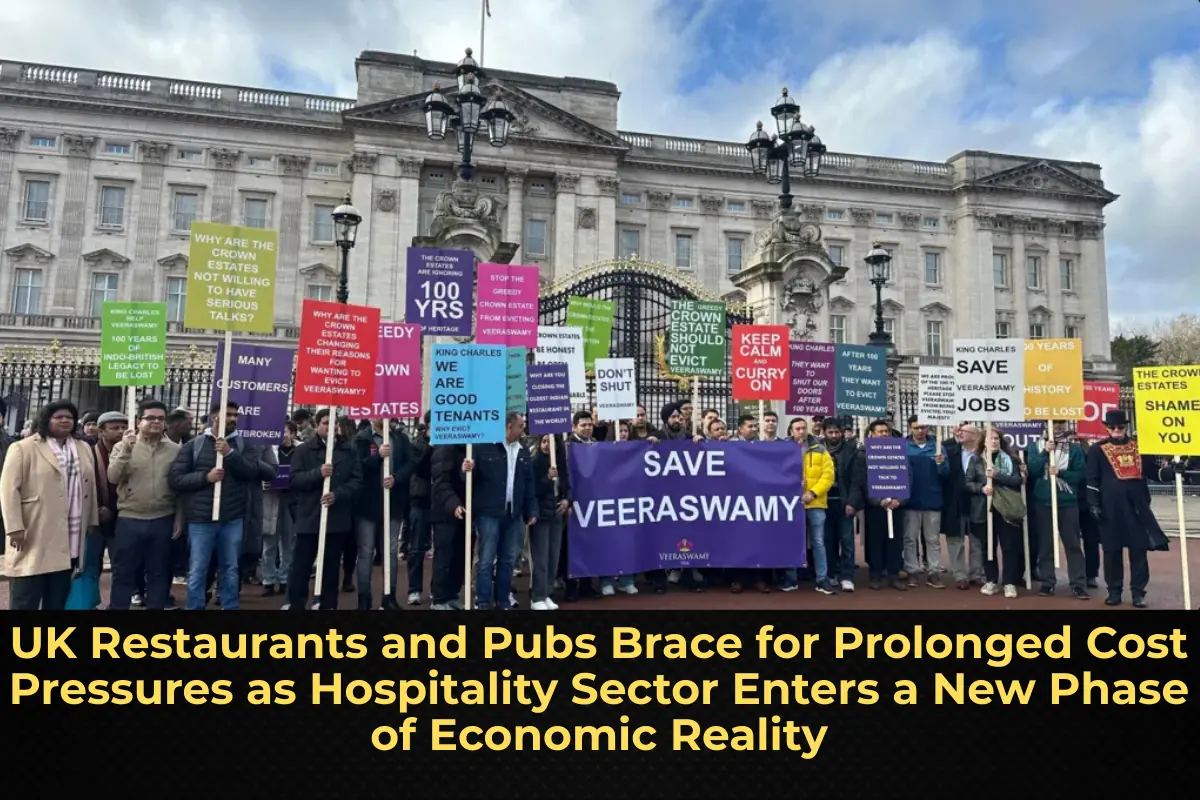

Introduction: A Defining Moment for UK Hospitality
The hospitality sector in the United Kingdom is entering a defining phase as restaurants and pubs confront sustained economic pressure that is reshaping the industry’s operating model. After years of disruption followed by gradual recovery, the current environment suggests that challenges facing the sector are not temporary but structural in nature. Rising operational expenses, cautious consumer behaviour, and evolving market expectations are forcing hospitality operators to rethink everything from menu design to opening hours and long-term investment strategies.
Across cities, towns, and rural communities, restaurant and pub operators are adjusting to what many industry leaders describe as a “new normal.” This phase is not defined by rapid decline but by a prolonged period of financial tension where profitability is harder to maintain, and growth requires careful planning rather than aggressive expansion. The hospitality industry, known for its resilience, is once again being tested, but this time the adjustments appear likely to be long lasting.
The Economic Pressures Reshaping Hospitality
Energy Costs Continue to Influence Operations
One of the most persistent challenges facing restaurants and pubs is the continued impact of elevated energy costs. Kitchens, refrigeration systems, heating, ventilation, and lighting all rely heavily on energy consumption, making hospitality businesses particularly sensitive to price fluctuations. Even as markets show signs of stabilisation, energy prices remain significantly higher than pre-crisis levels, forcing operators to adopt more energy-efficient practices.
Many establishments have begun investing in energy-saving appliances, adjusting service hours to reduce utility consumption, and redesigning kitchen workflows to optimise efficiency. While such measures can moderate expenses, they often require upfront investment, which not all businesses can easily afford.
Rising Labour Costs and Workforce Expectations
Labour costs represent another critical area of pressure. Wage increases aimed at improving employee welfare have contributed to higher payroll expenses for hospitality businesses already working with tight margins. In addition to rising wages, operators are facing recruitment challenges as the sector competes with other industries for talent.
The nature of hospitality work has evolved, with employees increasingly seeking predictable schedules, better work-life balance, and opportunities for career progression. These expectations are reshaping staffing models, pushing operators to create more structured and supportive work environments. While beneficial in the long term, such changes add complexity and cost in the short term.
Fixed Costs: Rent and Business Rates
Beyond variable expenses, fixed costs such as rent and business rates continue to exert significant pressure on hospitality businesses. Many restaurants and pubs operate under long-term lease agreements negotiated during more favourable economic periods. These commitments limit flexibility, making it difficult for operators to adjust quickly to changing trading conditions.
High street locations, while offering visibility and footfall, often come with premium rental costs that are increasingly difficult to sustain when customer spending becomes more cautious. As a result, some businesses are reconsidering location strategies, exploring smaller venues or suburban settings that offer lower overheads.
Changing Consumer Behaviour and Its Impact
Dining Out Becomes More Selective
Consumer behaviour is undergoing a noticeable shift. With household budgets under pressure from broader economic conditions, dining out is increasingly viewed as a discretionary activity rather than a routine habit. Customers are becoming more selective about when and where they spend, often reserving restaurant visits for special occasions rather than frequent casual outings.
This trend is particularly evident in mid-market dining and community pubs, which traditionally rely on regular local patronage. Reduced frequency of visits has a cumulative effect on revenue, even if average spending per visit remains stable.
Heightened Sensitivity to Value and Pricing
Value perception has become central to consumer decision-making. Guests are closely evaluating whether menu prices align with portion sizes, ingredient quality, and overall experience. Transparent pricing and consistent quality are now essential to retaining customer loyalty.
Restaurants and pubs are responding by redesigning menus, introducing flexible portion options, and focusing on signature dishes that deliver strong perceived value. However, balancing cost recovery with affordability remains one of the most delicate challenges facing operators.
Operational Adjustments Across the Sector
Streamlined Menus and Controlled Inventories
To manage costs effectively, many hospitality businesses are streamlining menus to focus on high-demand and high-margin items. Simplified menus help reduce food waste, improve kitchen efficiency, and allow better control over ingredient sourcing.
While this approach supports operational sustainability, it also requires careful menu engineering to ensure variety and customer satisfaction are not compromised. Successful operators are those who can simplify without sacrificing creativity or identity.
Reduced Opening Hours and Service Periods
Another noticeable trend is the reduction of opening hours or the elimination of less profitable service periods. Some pubs are closing on quieter weekdays, while certain restaurants are focusing exclusively on peak dining times. This strategy helps align staffing and energy usage with actual demand.
However, reduced availability can also affect customer convenience and brand perception, making it essential for businesses to communicate changes clearly and maintain strong engagement with their local communities.
Independent Businesses Face Greater Vulnerability
Independent restaurants and pubs are particularly exposed to ongoing economic pressures. Unlike large chains, independent operators often lack the scale advantages needed to negotiate better supplier terms or absorb temporary losses. Their reliance on consistent local trade makes them more sensitive to fluctuations in customer spending.
For many independent establishments, personal financial investment and emotional commitment are deeply intertwined with business operations. The prolonged period of adjustment therefore carries not only economic implications but also personal and community-level consequences.
Community and Cultural Significance of Hospitality Venues
Restaurants and pubs in the UK are more than commercial enterprises; they are integral parts of social and cultural life. They serve as gathering spaces where communities connect, celebrate milestones, and maintain traditions. The potential loss of such venues due to sustained financial pressure would have broader societal implications.
Local economies also rely heavily on hospitality businesses for employment generation and tourism attraction. A decline in the sector could affect surrounding businesses, from suppliers and delivery services to entertainment providers and local markets.
Industry Response: Innovation and Adaptation
Embracing Technology for Efficiency
Technology is playing an increasingly important role in helping hospitality businesses adapt to new economic realities. Digital ordering systems, inventory management software, and data analytics tools enable operators to optimise operations and reduce wastage. These solutions allow businesses to track customer preferences, forecast demand more accurately, and streamline staffing schedules.
While technology adoption requires investment, it offers long-term benefits by improving operational control and enabling more informed decision-making.
Focus on Experience-Led Dining
To justify spending in a more cautious consumer environment, many restaurants and pubs are emphasising experiential dining. Unique themes, curated menus, live entertainment, and interactive service elements help differentiate venues and create memorable guest experiences. This experiential focus encourages customers to view dining out as a valuable leisure activity rather than a routine expense.
Calls for Policy Support and Structural Reform
Industry representatives have highlighted the need for supportive policies to help the hospitality sector navigate prolonged economic pressure. Suggestions include reforming business rates, offering targeted energy relief, and creating incentives for workforce training and retention. Such measures could provide breathing space for businesses while they adapt to new cost structures and market conditions.
Stakeholders argue that supporting hospitality is not merely about preserving businesses but also about sustaining employment, tourism, and local economic vitality.
Global Parallels and Shared Industry Challenges
The challenges faced by UK restaurants and pubs mirror those experienced by hospitality sectors in other developed economies. Rising operational costs, changing labour dynamics, and cautious consumer spending are common themes across global markets. This shared experience suggests that the adjustments underway in the UK are part of a broader transformation in how hospitality businesses operate worldwide.
Operators who successfully navigate this environment are likely to adopt flexible business models, diversified revenue streams, and stronger digital integration.
Future Outlook: Adjustment Rather Than Immediate Recovery
Looking ahead, the outlook for UK hospitality is characterised by gradual adjustment rather than rapid recovery. While demand for dining and social experiences remains strong in principle, the pace of growth is likely to be moderated by economic realities. Businesses will need to prioritise resilience, efficiency, and customer engagement to remain competitive.
Strategic planning will become increasingly important, with operators focusing on sustainable expansion, prudent cost management, and targeted investments in innovation and talent development.
Conclusion: A Sector Redefining Its Operating Model
The UK hospitality sector stands at a pivotal juncture in 2026. Restaurants and pubs are not facing a temporary downturn but a structural shift that requires long-term adaptation. Rising costs, evolving consumer expectations, and operational complexities are collectively reshaping how hospitality businesses function.
Despite these challenges, the sector’s history demonstrates remarkable resilience and creativity. By embracing innovation, refining value propositions, and maintaining strong community connections, restaurants and pubs can navigate this prolonged period of economic adjustment. The coming years will determine how successfully the industry redefines its operating model while preserving the vibrant dining culture that remains central to social life across the United Kingdom.