La Vie Hotels Enters Philippines Market
La Vie Hotels Philippines enters Tagaytay with Hotel Casiana management signalling confidence in sustainable tourism growth and regional hospitality investment.
 Pratyaksha Singh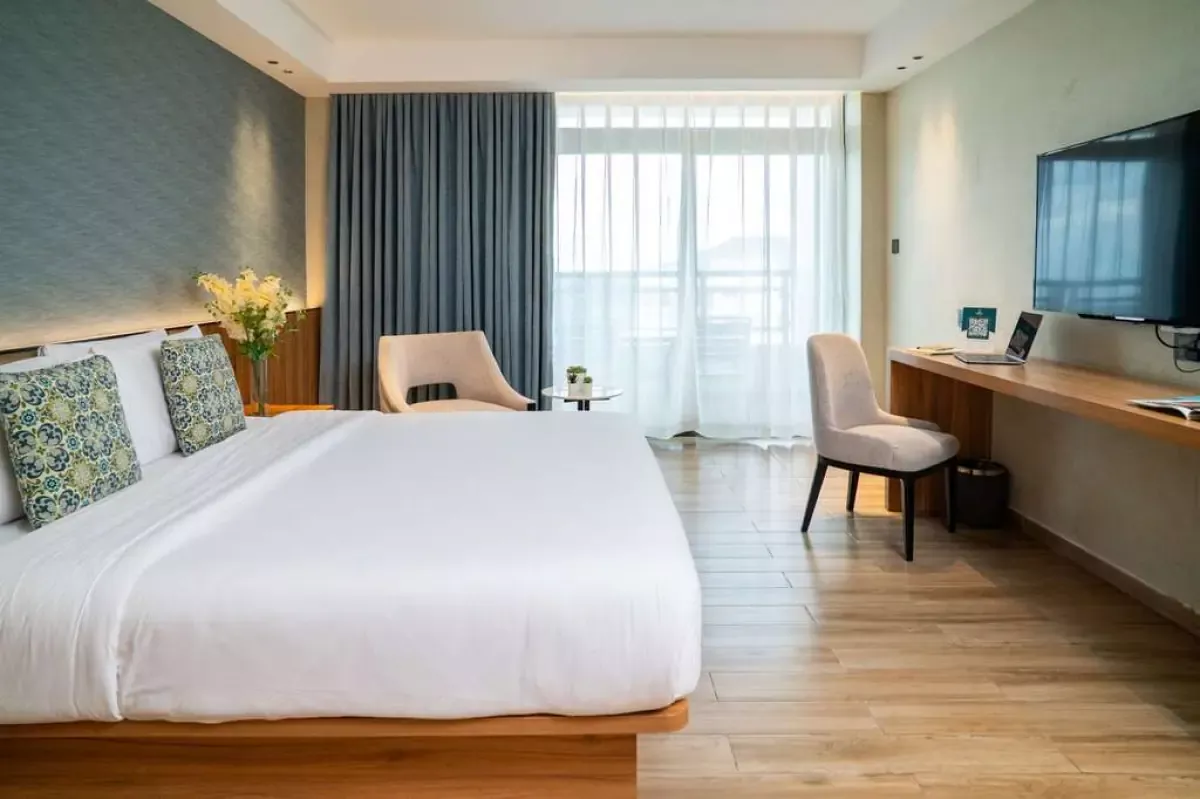

Tagaytay has emerged as a focal point of international hospitality interest as La Vie Hotels and Resorts formally entered the Philippine market with the management takeover of Hotel Casiana and Events Center, signalling growing confidence in the country’s tourism-led economic trajectory.
The move follows the opening of La Vie’s Philippines office earlier this year and positions the Asia Pacific hospitality group to capitalise on sustained growth in leisure and business travel. Industry analysts view the development as a strategic bet on secondary destinations that balance natural assets with urban accessibility, aligning with broader shifts towards decentralised and sustainable tourism growth across Southeast Asia.
Tourism continues to be a critical driver of the Philippine economy, contributing an estimated USD 91.8 billion in 2025 and accounting for nearly one-fifth of national GDP. International arrivals crossed 6.4 million last year, reflecting a steady rebound and reinforcing investor confidence in long-term demand fundamentals. For Indian travellers in particular, the Philippines is increasingly perceived as a short-haul destination offering climate diversity, competitive pricing and experiential travel.
Hotel Casiana and Events Center is located along the Tagaytay Nasugbu Highway, a corridor that has seen accelerated infrastructure development while retaining the region’s ecological character. Known for its cooler climate and views of Taal Volcano, Tagaytay has evolved from a weekend escape into a year-round hospitality and events destination. The property’s proximity to Metro Manila strengthens its appeal for conferences, social functions and corporate offsites.
The 146-room hotel adopts a Scandinavian design philosophy focused on efficiency, natural light and functional aesthetics. Its facilities include a heated swimming pool, family-friendly recreation areas and large-format event venues such as the Crystal Ballroom. Hospitality experts note that integrated leisure and events infrastructure reduces seasonal volatility while maximising asset utilisation, an increasingly important consideration in sustainable hotel management.
La Vie Hotels and Resorts has indicated that environmental performance and community integration will be central to its Philippine operations. The group’s regional strategy prioritises energy efficiency, responsible sourcing and inclusive workforce policies, reflecting rising expectations from both regulators and socially conscious travellers. Such approaches are becoming critical as cities grapple with tourism growth without compromising environmental resilience or social equity.
The Tagaytay entry is expected to serve as a platform for further expansion, with La Vie exploring partnerships across emerging urban and resort markets in the country. As competition intensifies across Asia’s hospitality sector, operators are increasingly judged not only by scale but by their ability to support sustainable urban ecosystems.
For Tagaytay, the development underscores its transition from a domestic leisure town to an internationally recognised hospitality destination, shaped by investment models that link tourism growth with long-term regional value creation.