BMTC to Monetise TTMC Terrace Spaces, Opening New Commercial Opportunities for Hotels and Fitness Brands in Bengaluru
Bangalore Metropolitan Transport Corporation plans to lease terrace spaces of TTMCs for hotels, gyms, and commercial establishments, creating new urban hospitality and retail opportunities in Bengaluru.
 nishathapa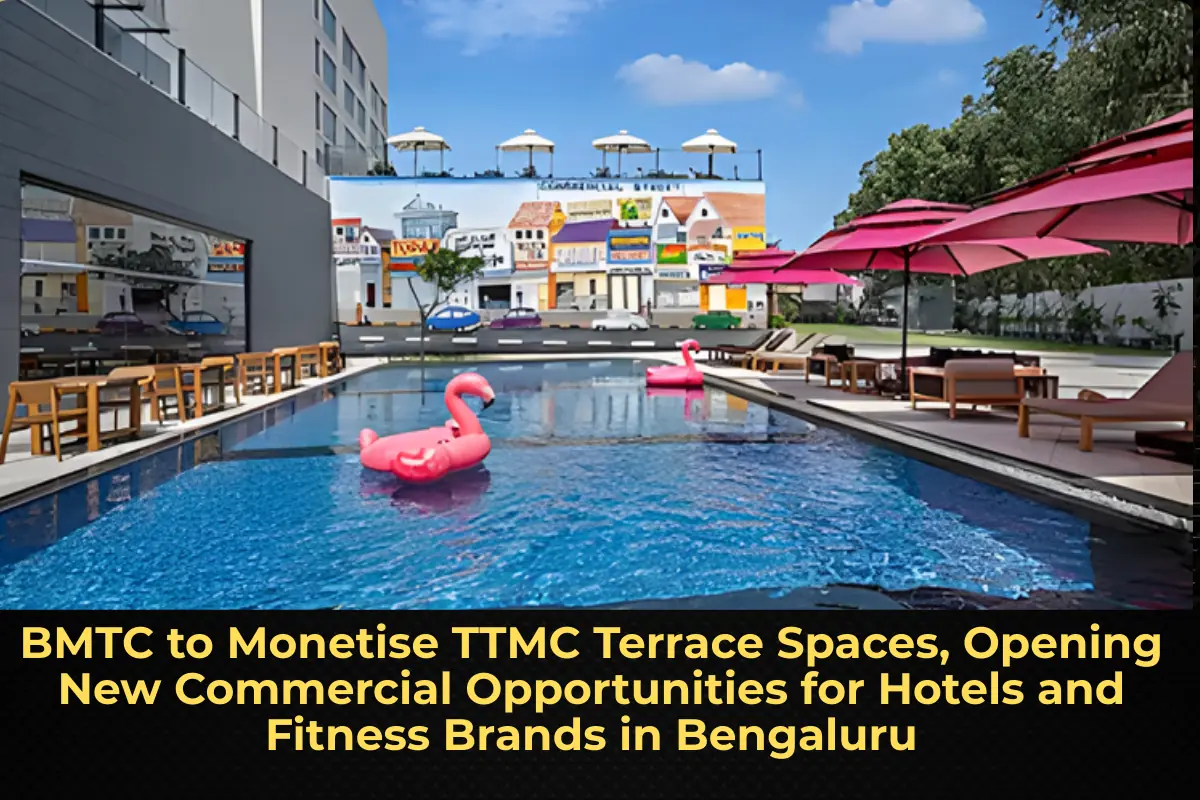

BMTC’s Urban Monetisation Plan Unlocks New Hospitality and Commercial Potential
In a move that signals a fresh approach to urban asset monetisation, the Bangalore Metropolitan Transport Corporation (BMTC) has announced plans to rent out terrace spaces of its Traffic and Transit Management Centres (TTMCs) for commercial use. The initiative is expected to create opportunities for hotels, gyms, restaurants, and other commercial establishments across Bengaluru.
This development highlights an emerging trend in Indian cities: leveraging public infrastructure assets for revenue generation while enhancing commuter convenience. By opening underutilised terrace spaces to private operators, BMTC aims to optimise land value, diversify revenue streams, and improve financial sustainability.
What Are TTMCs and Why They Matter
Traffic and Transit Management Centres (TTMCs) are strategically located transit hubs designed to integrate bus transport with commercial spaces. Spread across key areas of Bengaluru, these centres serve thousands of commuters daily, making them high-footfall locations.
Until now, most commercial activity at TTMCs has been concentrated on lower floors. The decision to monetise terrace areas introduces a new vertical expansion model—transforming rooftops into viable commercial zones.
Opportunities for Hotels and Hospitality Brands
For the hospitality sector, the proposal presents a unique urban opportunity. Budget hotels, business hotels, and short-stay formats could benefit from proximity to major transit hubs. Such locations naturally attract business travellers, intercity commuters, and short-duration guests seeking convenience and connectivity.
Transit-oriented hospitality models are gaining traction globally. Integrating hotels within transport hubs reduces travel time for guests and increases accessibility, particularly in congested urban environments like Bengaluru.
Ideal for Budget and Smart-Stay Concepts
Terrace developments may particularly suit compact hotel formats, capsule accommodations, or smart-stay concepts that prioritise efficiency over expansive space. With land costs in Bengaluru remaining high, rooftop developments offer a cost-optimised entry point for operators.
Fitness, Wellness, and F&B Brands to Benefit
Beyond hotels, gyms and wellness centres are likely to find strong demand in TTMC locations. Urban professionals often seek fitness facilities close to transit nodes to integrate workouts into daily routines. Rooftop gyms or yoga studios could create a differentiated offering while leveraging commuter footfall.
Food and beverage brands may also explore terrace restaurants or cafés that offer city views and convenient access for commuters and nearby residents.
Urban Planning and Revenue Diversification
For BMTC, this initiative aligns with broader public-sector efforts to reduce operational deficits by monetising non-core assets. Transport corporations across India are increasingly exploring commercial leasing, advertising rights, and property development to supplement fare-based revenue.
By activating terrace spaces, BMTC not only generates additional income but also enhances the functional value of its infrastructure.
Strategic Advantages of Transit-Oriented Commercial Development
- High Footfall: Daily commuter traffic ensures consistent visibility and potential customer flow.
- Prime Urban Locations: TTMCs are located in established and emerging neighbourhoods.
- Connectivity: Easy access to bus networks improves convenience for guests and customers.
- Land Optimisation: Rooftop utilisation maximises existing infrastructure without requiring additional land acquisition.
Challenges and Considerations
While the opportunity is promising, developers and operators must consider structural feasibility, safety norms, zoning regulations, and traffic management implications. Rooftop conversions require careful architectural planning to ensure compliance with building codes and public safety standards.
Additionally, businesses must evaluate demand patterns specific to each TTMC location to ensure sustainable operations.
Impact on Bengaluru’s Hospitality Ecosystem
Bengaluru’s hospitality market is characterised by strong corporate demand, technology-driven business travel, and a growing start-up ecosystem. Integrating hotels and commercial establishments within transit hubs could strengthen the city’s micro-hospitality infrastructure.
Such developments also align with global smart-city concepts, where transport, retail, and hospitality coexist within integrated urban frameworks.
A Step Toward Smarter Urban Infrastructure
BMTC’s terrace monetisation plan represents more than a revenue initiative—it signals a shift toward smarter, multi-functional urban infrastructure. By reimagining transit hubs as commercial ecosystems, the city can create additional employment opportunities, enhance commuter experiences, and attract private investment.
Conclusion
The decision by BMTC to lease TTMC terrace spaces for hotels, gyms, and other commercial establishments opens a new chapter in Bengaluru’s urban development narrative. For hospitality and wellness brands, the initiative offers strategic locations with built-in demand potential.
As Indian cities increasingly adopt transit-oriented development models, such collaborations between public infrastructure bodies and private operators are likely to play a pivotal role in shaping the future of urban hospitality and commercial real estate.