Medu Vada Recipe with SOP & Presentation Guide
Starters Medu Vada recipe with SOP & presentation guide for hotel style and restaurant preparation with crispy texture.
 Tripti Srivastava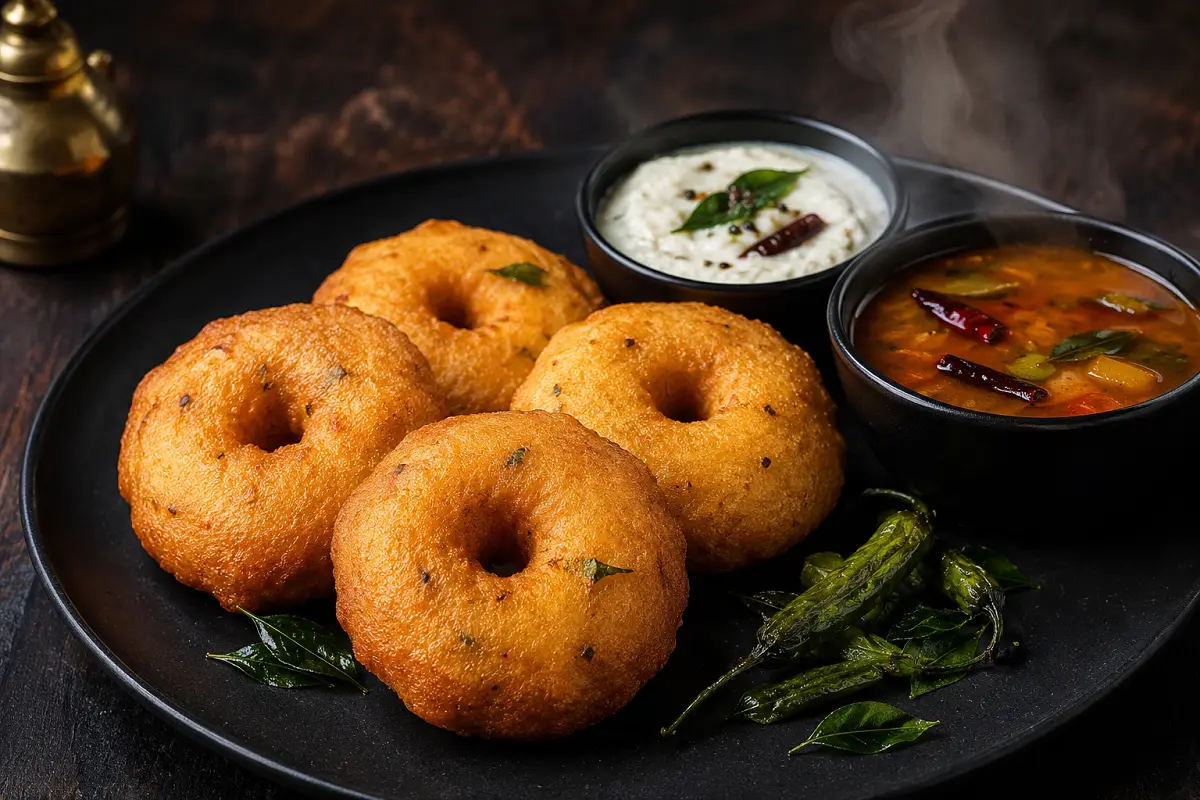
Medu Vada recipe is one of those South Indian starters you’ll see flying out of hotel kitchens all day breakfast rush, tea service, snack counters. Done right, it’s all about that contrast: crisp shell, soft and airy inside. It’s a deep-fried lentil classic that delivers every time when the prep is tight and the frying is on point.
In the hospitality setup, Medu Vada earns its keep. It shows up on breakfast buffets, tea-time menus, and quick-service counters where speed matters but quality can’t slip. The hotel style version locks in three things texture, seasoning, and clean, uniform plating.
It all starts with the urad dal (split black gram). You don’t cut corners here. Good quality dal, cleaned and soaked right, sets the tone. Soaking isn’t just routine it’s what gives you that light, aerated batter later. Skip that, and the crispy vada falls flat.
Grinding is where most people mess up. You want a smooth, thick batter with barely any water. Too loose and the vadas drink oil. Too tight and you’ll fight the shaping. In a pro kitchen, the batter holds shape and feels alive light, not dense.
Then comes aeration. You beat air into that batter no shortcuts. This is what gives you that soft, fluffy core. Every good kitchen treats this step like SOP because it shows up in every bite.
Flavor is simple but sharp. Green chillies, ginger, curry leaves, black pepper. Nothing fancy, just clean seasoning that lifts the lentils without drowning them. And yes, keep your measurements tight if you want consistency.
Shaping takes practice. You’re forming that classic doughnut shape with the hole in the center. It’s not just for looks it cooks evenly because of it. Skip the shape, and you’ll end up with uneven fry.
Oil temperature is non-negotiable. Keep it between 170–180°C. Too hot and you burn the outside while the inside stays raw. Too low and the vada turns greasy. You control the oil, or the oil controls your dish.
Frying needs attention. Small batches only. Give them space, turn them gently, and chase that even golden color. Rush this step, and the texture suffers.
Texture is everything here. You want that crisp outer bite, then a soft, airy inside. That balance comes from solid batter prep, proper shaping, and controlled frying no guesswork.
Consistency matters in service. Same size, same shape, every time. That’s how you get even cooking and clean plating, especially on buffets and during peak hours.
Medu Vada is flexible. Serve it with coconut chutney and sambar for breakfast, or plate it solo as a snack. It holds its ground in any setup.
Presentation still counts. Stack them clean, keep them golden, add curry leaves and sides neatly. The look should match the bite crisp and inviting.
Hygiene is standard kitchen discipline. Clean soaking, proper grinding, fresh oil, and tight handling. No shortcuts if you want consistent output.
From a training angle, this dish teaches the basics batter control, aeration, shaping, frying, and timing. Get Medu Vada right, and you’ve built solid kitchen instincts.
It stays on menus for a reason fast to cook, reliable, and always in demand. When executed right, it delivers the same quality plate after plate.
You’ll see modern twists here and there, but the classic version still wins. Guests come back for that familiar taste and texture. Stick to the fundamentals and keep it consistent.
At its core, Medu Vada is simple food backed by proper technique. When the prep is sharp and the fry is controlled, it hits that perfect balance every time.
Medu Vada Recipe Preparation Method
Urad dal is soaked, ground into a smooth batter, and aerated. Spices and herbs are added, and the batter is shaped into doughnut forms. The vadas are deep-fried in hot oil until golden and crisp, then served hot with chutneys and sambar.
Check Out our Aloo Bonda Recipe
Indian Snacks SOP (Standard Operating Procedure)
Use high-quality urad dal and soak properly. Grind with minimal water for thick batter. Aerate batter well. Maintain oil temperature between 170–180°C. Fry in small batches. Ensure uniform shaping. Avoid over-frying. Follow hygiene standards and use fresh oil.
Garnish & Presentation
Garnish with curry leaves and serve with coconut chutney and sambar. Ensure golden color and crisp texture. Arrange neatly for professional hotel style presentation.
Plating & Serving Tips
Serve on plates or bowls with chutney and sambar portions. Arrange vadas neatly without overcrowding. Serve immediately after frying to retain crispness. Ideal for breakfast buffets, tea-time service, and snack menus.
Ingredients
- Urad dal (split black gram) – 300 grams
- Ginger (chopped) – 10 grams
- Green chillies (chopped) – 10 grams
- Black pepper (crushed) – 5 grams
- Curry leaves (chopped) – 10 grams
- Water – 80 ml (approx.)
- Oil (for frying) – 1 liter
- Salt – 8 grams
Nutritional Information
- Calories: 290 kcal
- Protein: 9 g
- Carbohydrates: 28 g
- Fat: 16 g
- Fiber: 4 g
Directions
1. Soak the Dal
Wash urad dal thoroughly and soak in water for 4–5 hours.
2. Grind the Batter
Drain water and grind dal into a smooth thick batter with minimal water.
3. Aerate the Batter
Beat the batter well to incorporate air and make it light.
4. Add Flavoring
Mix in green chillies, ginger, curry leaves, black pepper, and salt.
5. Heat Oil
Heat oil in a deep pan and maintain temperature at 170–180°C.
6. Shape the Vada
Wet hands, take batter, shape into round doughnut with a hole in center.
7. Fry the Vada
Gently slide into hot oil and fry until golden and crisp.
8. Turn Evenly
Turn occasionally to ensure uniform frying on all sides.
9. Drain Oil
Remove and place on absorbent paper to remove excess oil.
10. Serve
Serve hot with coconut chutney and sambar for best taste and presentation.
Rate this Recipe
User Reviews
No reviews yet. Be the first to share your thoughts!