Air Algérie Receives First Boeing 737-8 to Modernize Fleet
Air Algérie first Boeing 737-8 delivery marks the airline's entry into the Boeing 737 MAX era, supporting fleet modernization, lower operating costs, and regional network expansion across Africa, Europe, and the Middle East.
 Jishan Khan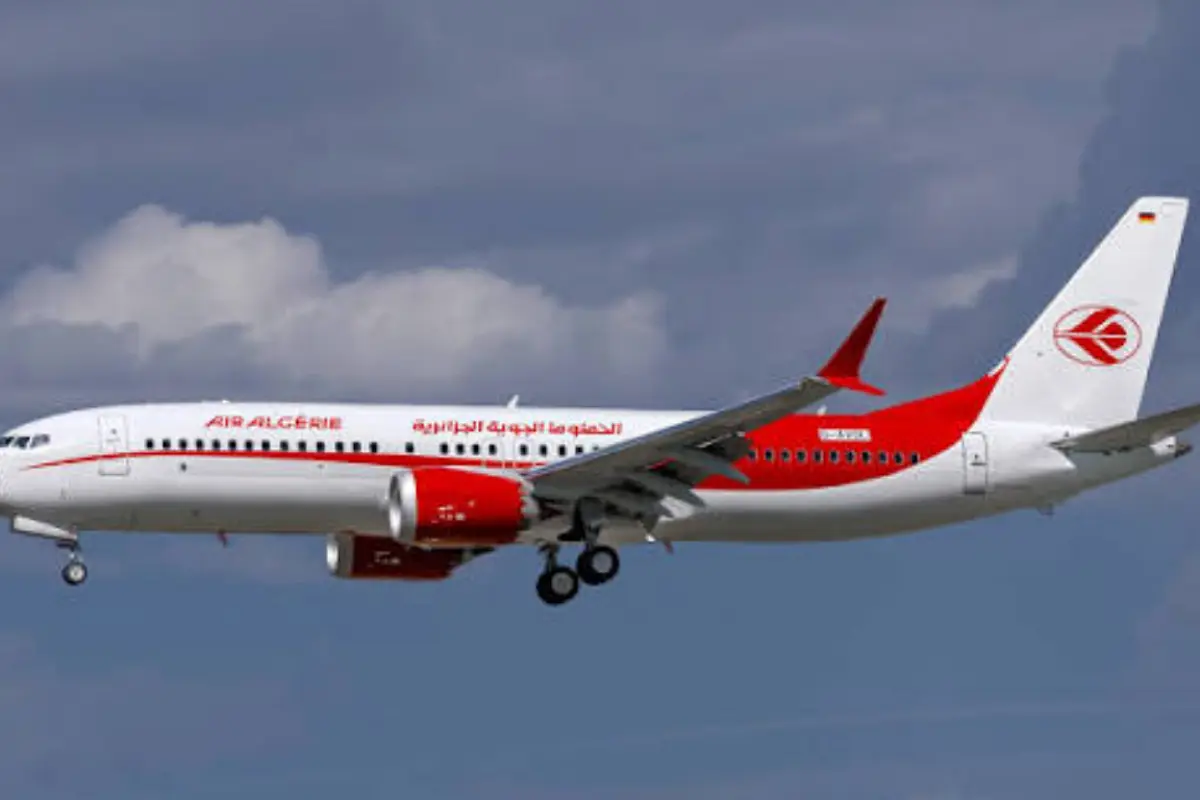
Air Algérie first Boeing 737-8 delivery marks a major milestone in the national carrier's fleet modernization strategy, with the airline officially entering the Boeing 737 MAX era. The newly delivered aircraft is the first of a multi-aircraft order designed to improve fuel efficiency, lower operating costs, and strengthen Air Algérie's regional and medium-haul network across Africa, Europe, and the Middle East.
The delivery represents the beginning of a broader fleet renewal programme aimed at replacing older-generation aircraft with more efficient narrowbody jets. By introducing the Boeing 737-8 into its fleet, Air Algérie is seeking to enhance operational performance while supporting network expansion across key international markets.
According to the airline, the aircraft will play an important role in improving efficiency on medium-haul routes while providing greater flexibility for future route development.
First Boeing 737-8 Joins the Fleet
The newly delivered Boeing 737-8 is the first aircraft of a wider order that will progressively modernize Air Algérie's narrowbody fleet. The introduction of the type signals the airline's transition to Boeing's latest-generation single-aisle aircraft, which offers improved operational economics compared with previous-generation Boeing 737 models.
The aircraft has been acquired as part of Air Algérie's long-term strategy to renew its fleet while supporting sustainable growth across its regional network. Fleet modernization remains a central priority for the airline as passenger demand continues to recover across North Africa and neighboring international markets.
The arrival of the first Boeing 737-8 also establishes the foundation for future deliveries under the airline's fleet renewal programme.
Fleet Modernization Strategy
Air Algérie's investment in the Boeing 737-8 is intended to deliver measurable operational benefits through improved fuel efficiency and reduced operating costs. New-generation aircraft enable airlines to lower fuel consumption while reducing maintenance requirements compared with older aircraft, supporting more efficient day-to-day operations.
Lower operating costs also provide airlines with greater flexibility when planning schedules and expanding services into existing or new markets. For Air Algérie, the modernization programme is expected to strengthen its ability to serve regional and medium-haul routes while improving overall fleet reliability.
The introduction of more fuel-efficient aircraft aligns with broader industry trends, as airlines worldwide continue replacing older fleets with new-generation narrowbody aircraft capable of delivering improved economic performance.
Supporting Regional Network Expansion
The Boeing 737-8 will support Air Algérie's network development across Africa, Europe, and the Middle East, where the airline operates an extensive portfolio of regional and medium-haul services. The aircraft's efficiency and operational flexibility make it suitable for a wide range of routes linking Algeria with major business and leisure destinations.
As additional aircraft are introduced, the airline will have greater capacity to optimize schedules and strengthen connectivity throughout its existing network. The fleet renewal programme also provides opportunities to improve aircraft utilization while maintaining competitive operating costs.
The delivery comes at a time when airlines across North Africa are expanding capacity and investing in newer aircraft to accommodate increasing passenger demand and evolving market requirements.
North Africa Aviation Competition
Air Algérie's fleet modernization coincides with broader investment across North Africa's aviation sector, where airlines are accelerating aircraft renewal programmes to strengthen their competitive position. The introduction of the Boeing 737-8 reflects the growing emphasis on operating modern, fuel-efficient fleets capable of supporting sustainable network expansion.
Industry observers view the aircraft as an important addition that could improve Air Algérie's competitiveness within the regional market while supporting Algeria's wider aviation objectives. A more efficient fleet can enhance the airline's ability to expand connectivity, improve operational performance, and reinforce Algiers' role within regional air transport networks linking Africa and Europe.
As travel demand continues to increase across the region, fleet modernization has become a strategic priority for many airlines seeking to balance growth with lower operating costs and improved efficiency.
The delivery of Air Algérie's first Boeing 737-8 therefore represents more than a fleet addition. It marks the beginning of the airline's transition to a new generation of narrowbody aircraft while supporting its long-term modernization strategy, strengthening regional operations, and enhancing its ability to compete in North Africa's evolving aviation market.